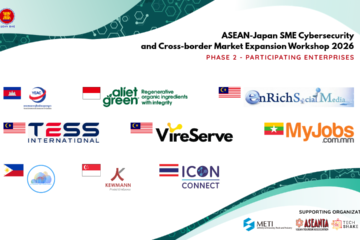
On 7 November 2026, the ASEAN-Japan Centre (AJC), in collaboration with the ASEAN Business Advisory Council (ASEAN-BAC), conducted the mentoring session (Phase 2) of the ASEAN-Japan SME Cybersecurity and Cross-Border Market Expansion Workshop, supporting nine (9) participating enterprises from ASEAN in refining their strategies for entering and expanding into the Japanese market.
Building on the knowledge gained during Phase 1, the session shifted its focus from learning to practical application. Participating enterprises had previously developed pitch decks outlining their market opportunities, go-to-market strategies, digital and AI-enabled operations, cross-border data compliance, and cybersecurity readiness. The mentoring session provided an opportunity for enterprises to seek clarification, discuss specific challenges, and receive further guidance based on the feedback from the mentors.
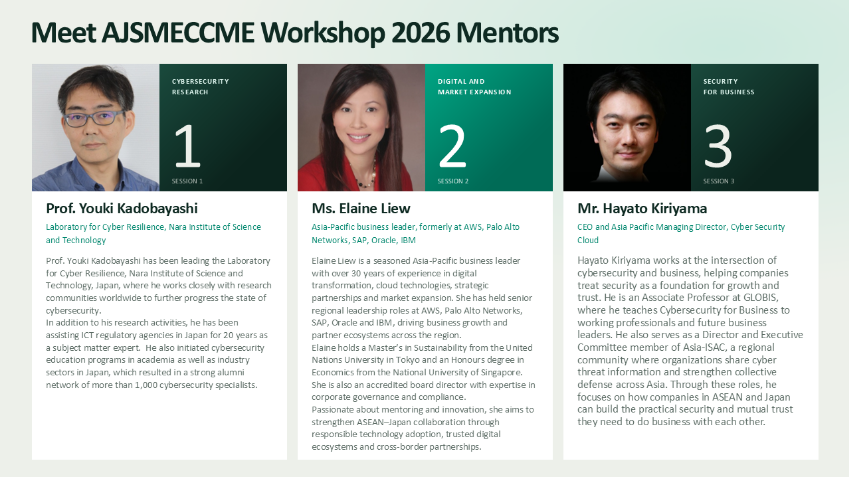
Figure 1 Mentors’ profile for Phase 2 of the ASEAN-Japan SME Cybersecurity and Cross-border Market Expansion Workshop 2026
The programme featured three one-hour mentoring sessions led by Professor Youki Kadobayashi, Ms. Elaine Liew, and Mr. Hayato Kiriyama, each bringing different perspectives on strengthening business readiness and building trust with prospective Japanese partners.
Strengthening Cybersecurity and Regulatory Readiness: Professor Youki Kadobayashi
The first mentoring session was led by Professor Youki Kadobayashi, a cybersecurity research expert who leads the Laboratory for Cyber Resilience, Nara Institute of Science and Technology, Japan and has extensive experience in cybersecurity policy, education, and international collaboration.
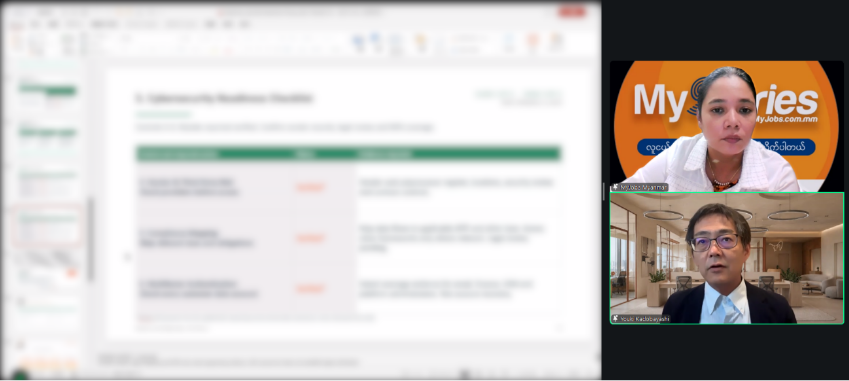
Figure 2 Mentoring session with Prof. Youki Kadobayashi
He emphasized the importance of moving beyond written policies and demonstrating practical implementation of cybersecurity measures. Several enterprises still had security controls marked as “in progress,” highlighting the need to prioritize foundational measures such as multi-factor authentication (MFA), access controls, backup and recovery, and incident response planning.
Prof. Kadobayashi also highlighted risks associated with third-party vendors, cloud services, and AI tools, encouraging enterprises to clarify where their data is stored, who can access it, and how sensitive information is protected.
His central message was that demonstrable cybersecurity readiness can strengthen business credibility, build customer trust, and become a competitive advantage when entering the Japanese market.
Building a Realistic Go-to-Market Strategy: Elaine Liew
The second session was facilitated by Ms. Elaine Liew, a seasoned Asia-Pacific business leader with more than 30 years of experience in digital transformation, cloud technologies, strategic partnerships, and market expansion.
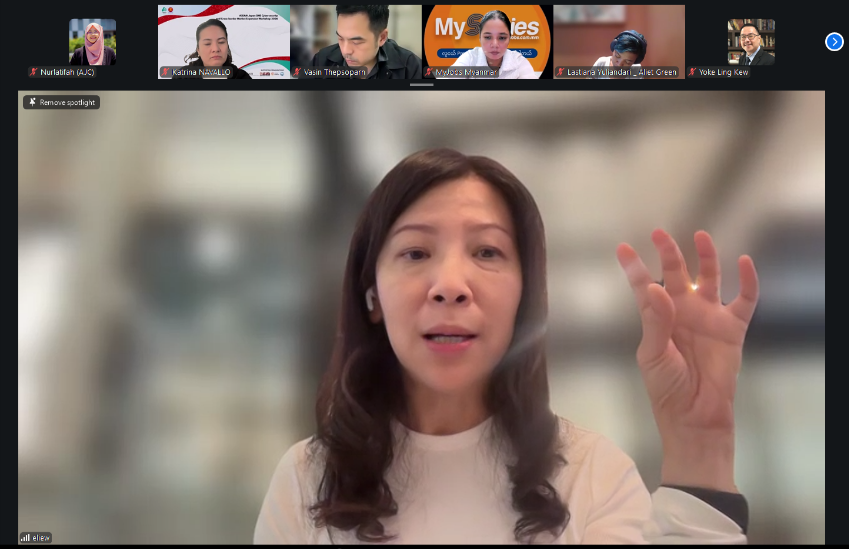
Figure 3 Mentoring session with Ms. Elaine Liew
Ms. Elaine encouraged participants to move beyond broad market-size estimates and focus on clearly defined customer segments, realistic market opportunities, and achievable business objectives. She emphasized that identifying specific prospective customers, understanding their purchasing behavior, and validating demand are essential to developing an effective go-to-market strategy.
She also highlighted several important distinctions, particularly between marketing awareness and actual sales channels, as well as between distribution channels and strategic alliances. Enterprises were encouraged to develop stronger business ecosystems through industry associations, complementary partners, and direct customer engagement.
Another key discussion concerned value selling versus volume selling, as different products and services require different approaches to customer acquisition and sales. Elaine further reminded participants that AI, CRM, and digital tools should support a well-defined business strategy rather than become its starting point.
Overall, her guidance emphasized developing focused, practical, and sustainable market-entry strategies supported by clear customer needs, strong partnerships, and credible business opportunities.
Building Trust Through Evidence and Japan-Specific Readiness: Hayato Kiriyama
The final mentoring session was conducted by Mr. Hayato Kiriyama, CEO and Asia Pacific Managing Director, Cyber Security Cloud Pte. Ltd., a cybersecurity and business expert who works with enterprises to strengthen security as a foundation for business growth and trust.
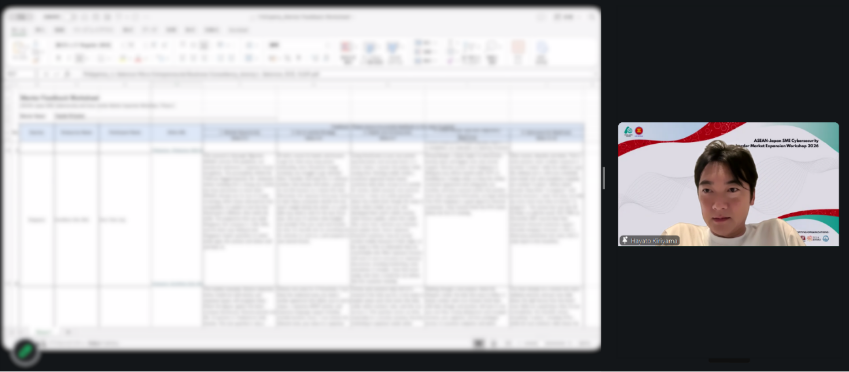
Figure 4 Mentoring session with Mr. Hayato Kiriyama
Mr. Kiriyama emphasized that Japanese partners value concrete evidence over general claims. Enterprises should support their business and cybersecurity readiness statements with documentation, measurable results, or clear implementation plans.
He also encouraged participants to develop Japan-specific proof of market readiness, such as Japanese customer feedback, localized materials, and product testing using Japanese data, rather than relying solely on their existing ASEAN market experience.
Another important recommendation was to prepare clear answers to three fundamental questions from prospective Japanese partners: the product’s price range, where customer data is stored, and which third-party vendors handle that data.
His mentoring reinforced that transparency, localization, and demonstrable cybersecurity readiness are essential for building trust and establishing long-term business relationships in Japan.
Moving Towards the Final Pitch: From Feedback to Implementation
The mentoring session marked an important step, helping participating enterprises identify where their existing strategies could be refined before approaching prospective Japanese customers and partners.
With the feedback received, enterprises are expected to revise their pitch decks and strengthen the areas most relevant to their business readiness, from market segmentation and customer acquisition to cybersecurity controls and regulatory preparedness.
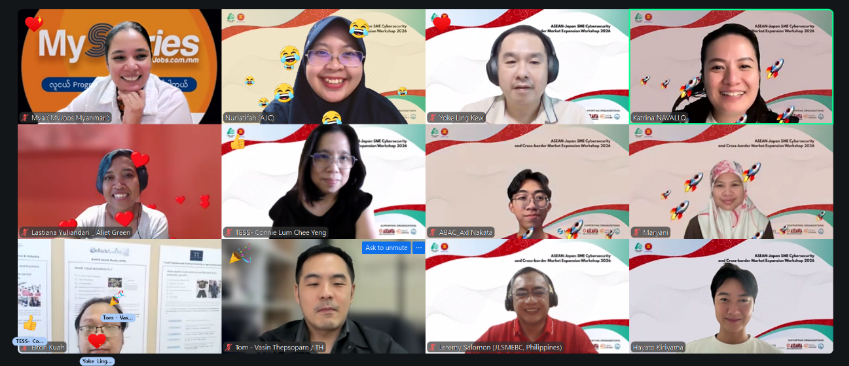
Figure 5 Group photo with Phase 2 participants
The programme will conclude with its final pitch presentation, closing session, and graduation on 21 November 2026, during which participating enterprises will present their refined strategies and demonstrate how they have incorporated the mentors’ recommendations.
Through continued mentoring and practical engagement, the ASEAN-Japan Centre and ASEAN-BAC aim to support ASEAN SMEs in developing stronger, more credible, and actionable pathways towards cross-border market expansion and business collaboration with Japan.