The ASEAN-Japan Centre (AJC), in collaboration with the ASEAN Business Advisory Council (ASEAN-BAC), convened the capstone session of Phase 1 of the ASEAN-Japan SME Cybersecurity and Cross-border Market Expansion Workshop on Saturday, 24 October 2026.
In this session, the participating enterprises presented their Japan-market entry strategies, applying knowledge gained throughout Phase 1 on market expansion, cybersecurity, digital trust, and regulatory compliance. The session marked an important milestone for the programme, which selected 24 enterprises from nine ASEAN Member States, as participants moved from capacity-building activities toward demonstrating their readiness to engage with Japanese business partners and enter the Japanese market.
Understanding ASEAN Trade Policies and Opportunities for Japan Market Entry
The session opened with remarks by Mr. Rifki Weno, Executive Director of ASEAN-BAC, who highlighted key challenges faced by ASEAN SMEs in international expansion. Drawing on the programme’s initial survey, he noted that 64% of respondents identified limited market knowledge as a barrier, 47% cited regulatory challenges, and 64% reported cybersecurity-related barriers.

Figure 1 Opening remarks by Mr. Rifki Weno, Executive Director of ASEAN-BAC
The discussion highlighted trade agreements facilitating access to Japan, including the ASEAN-Japan Comprehensive Economic Partnership (AJCEP), Regional Comprehensive Economic Partnership (RCEP), and bilateral Economic Partnership Agreements (EPAs). It also introduced practical resources, such as the ASEAN Tariff Finder, and regional digital integration initiatives, including the ASEAN Digital Economy Framework Agreement (DEFA).
The session emphasized the importance of leveraging existing trade facilitation mechanisms while strengthening regulatory understanding and digital readiness to support successful entry into the Japanese market.
Presenting Japan Market-Entry Strategies
As the culmination of Phase 1, participants were asked to deliver a three-minute pitch presentation, demonstrating how they could apply the knowledge and practical skills gained from the core live modules and optional self-paced modules available through the Learning Management System (LMS) to their Japan-market expansion strategies.
Using a structured five-slide pitch deck template, participants presented their enterprise profiles, target markets, value propositions, market-entry strategies, and digital trust and cybersecurity readiness, incorporating key aspects of digital transformation, regulatory compliance, and data governance.
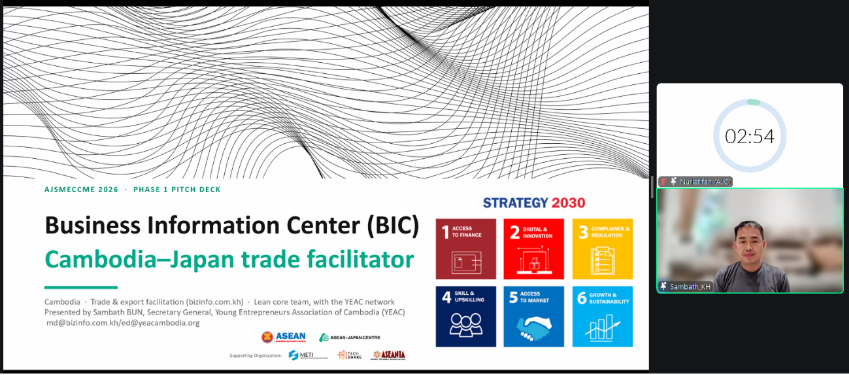
Figure 2 Pitch presentation by a participants from Cambodia
Through these presentations, participating enterprises demonstrated varying levels of market and operational readiness. Some presented established export experience and existing partnerships, while others proposed initial market validation activities, pilot projects, and potential collaborations with Japanese businesses.
Strengthening Market Readiness Through Practical Feedback
Throughout the presentations, Dr. Katrina Navallo, Head of Research and Policy Advocacy at AJC, and Mr. Axl Nakata, Consulting Manager at Kiantara, provided practical feedback to help participants strengthen their Japan-market entry strategies.
For food and agriculture enterprises, discussions focused on Japanese import regulations, product certifications, packaging requirements, and potential distribution partnerships. For digital technology, cybersecurity, and professional services enterprises, feedback emphasized identifying specific market needs, demonstrating competitive advantages, and exploring pilot projects with Japanese partners.
The discussions also highlighted the importance of cybersecurity readiness, data protection, and regulatory compliance, particularly Japan’s Act on the Protection of Personal Information (APPI), in building trust and credibility with potential Japanese business partners.
Reflecting on What Has Changed
At the conclusion of Phase 1, participants reflected on how the workshops had strengthened their understanding of cybersecurity, digital trust, and Japan-market expansion. Their feedback highlighted a shift from general awareness towards more practical approaches to identifying cybersecurity risks, strengthening business credibility, and developing targeted market-entry strategies.
“I initially saw cybersecurity mainly as an internal business concern. Phase 1 helped me understand its role in building trust with Japanese partners and recognize the gaps in our readiness.” — Participant A
“The sessions made me narrow my focus. Instead of ‘all Japanese buyers’, we now target organic food importers, premium supermarkets, wellness brands and restaurants.” — Participant B
“The sessions encouraged us to focus on specific customer problems, measurable outcomes, digital trust and partner-led market entry.” — Participant C
These reflections were supported by the pre- and post-workshop survey findings. Among the 12 matched respondents, 91.7% reported improvements in their self-assessed capabilities, with the largest improvement observed in Japan-market readiness, where the average score increased from 2.86 to 4.14 on a five-point scale (approximately 45%). Improvements were also recorded in cybersecurity awareness, digital readiness, and the ability to translate identified challenges into practical actions.
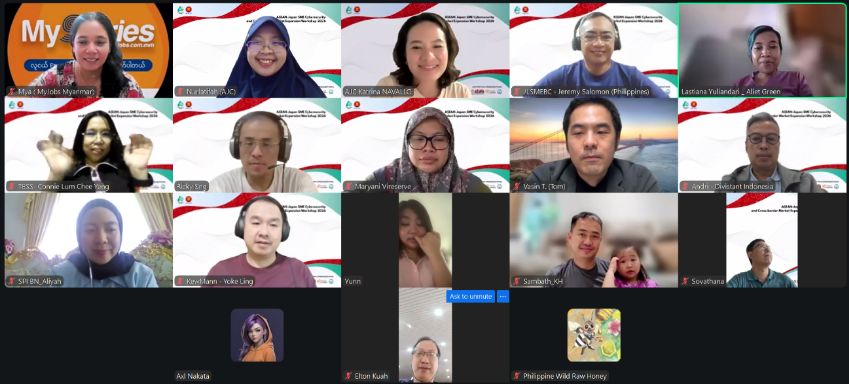
Figure 3 Group photo with Phase 1 participants
Overall, Phase 1 helped participants move beyond understanding cybersecurity as a technical requirement towards recognising its importance in building trust with Japanese business partners. Participants also developed clearer market-entry priorities, identified potential customers and partners, and outlined practical next steps for their enterprises. These outcomes provide a foundation for Phase 2, where selected enterprises will receive targeted mentoring to further refine their strategies, strengthen operational readiness, and explore potential business collaborations with Japanese counterparts.