The ASEAN-Japan Centre (AJC), in collaboration with the ASEAN Business Advisory Council (ASEAN-BAC), conducted the second live session of the ASEAN-Japan SME Cybersecurity and Cross-border Market Expansion Workshop on 10 October 2026. The session covered Module 2: Building a Resilient Digital Infrastructure and Module 3: Establishing Guardrails: Digital, AI and Cybersecurity Governance, focusing on strengthening SMEs’ operational resilience, cybersecurity preparedness, and readiness to engage with Japanese business partners.
Strengthening SME Competitiveness Through Reliable Digital Operations (Module 2)
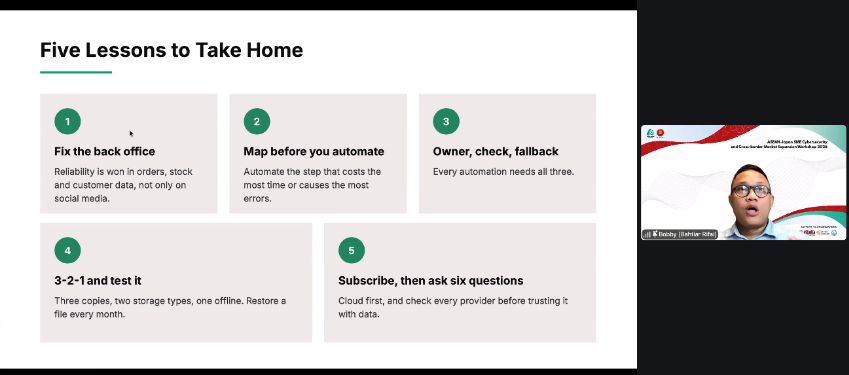
Figure 1 Mr. Bobby Bahtiar Rifai (BRIN) delivering his lecture on Building a Resilient Digital Infrastructure
The second module was delivered by Mr. Bobby Bahtiar Rifai, from Indonesia’s National Research and Innovation Agency (BRIN), who emphasized the importance of reliable digital infrastructure in supporting SME competitiveness and business expansion into Japan.
Highlighting gaps in digital readiness based on the programme’s pre-survey analysis done by ASEAN-BAC and AJC, he noted that while of 72% SMEs used AI tools, only 19% had adopted enterprise resource planning (ERP) or inventory management systems. He encouraged SMEs to strengthen their digital backbone by integrating business operations, identifying single points of failure, and adopting affordable workflow automation with appropriate human oversight.
To improve business resilience, he emphasized practical measures such as the 3-2-1 data backup principle, multi-factor authentication (MFA), regular software updates, access controls, and business continuity planning. He also stressed the importance of assessing cloud providers’ security and reliability.
The module concluded with a 30-day digital infrastructure improvement plan, encouraging participants to identify vulnerabilities, prioritize actions, and assign clear responsibilities.
Building Digital Trust Through Cybersecurity and Responsible AI Governance (Module 3)
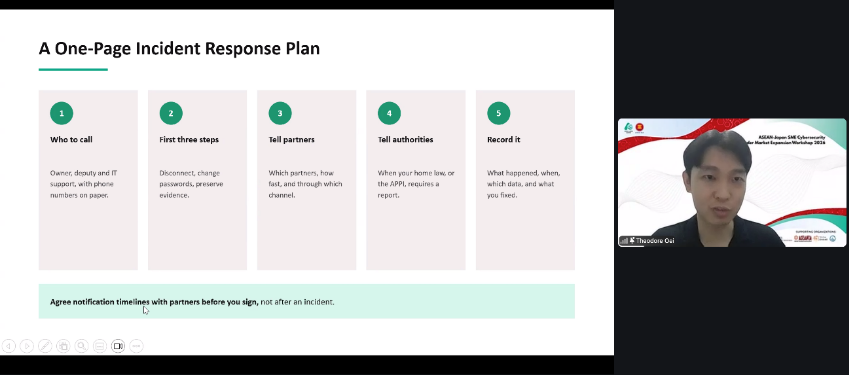
Figure 2 Mr. Theodore Oei (PT. Sinergi Wahana Gemilang/IBM Distributor) delivering his lecture on Establishing Guardrails: Digital, AI and Cybersecurity Governance
The third module was delivered by Mr. Theodore Oei, a technology professional specializing in enterprise security and automation, who emphasized the importance of clear accountability, documented policies, and cybersecurity practices in building trust with Japanese business partners.
Highlighting gaps in cybersecurity readiness, he noted that only 32% of surveyed SMEs had designated a cybersecurity owner, while 28% had established written policies. He encouraged SMEs to strengthen data governance through clear responsibilities, incident-response procedures, and compliance with relevant data-protection regulations, particularly Japan’s Act on the Protection of Personal Information (APPI).
He also emphasized essential cybersecurity measures, including multi-factor authentication (MFA), access controls, and phishing awareness. Regarding AI governance, he introduced Japan’s AI Guidelines for Business, stressing human oversight, transparency, data privacy, and accountability, particularly when using public AI tools.
During the interactive workshop, participants developed a basic cybersecurity and data-governance documentation package covering security policies, data management, AI usage, and incident response. Participants from Myanmar, Malaysia, and Thailand also shared their practices and challenges, highlighting the importance of establishing strong internal governance before addressing cross-border compliance requirements.
Moving Towards Trusted ASEAN–Japan Digital Partnerships
Both modules highlighted that digital transformation must be supported by reliable operations, cybersecurity safeguards, and responsible governance to build long-term business trust.
Participants were encouraged to apply the practical tools and action plans within their enterprises and continue preparing for the next Phase 1 live session on 24 October 2026, which includes their final pitch presentations.
Through this programme, AJC and ASEAN-BAC aim to strengthen ASEAN SMEs’ digital capabilities, cybersecurity readiness, and competitiveness in pursuing secure and sustainable business partnerships with Japan.