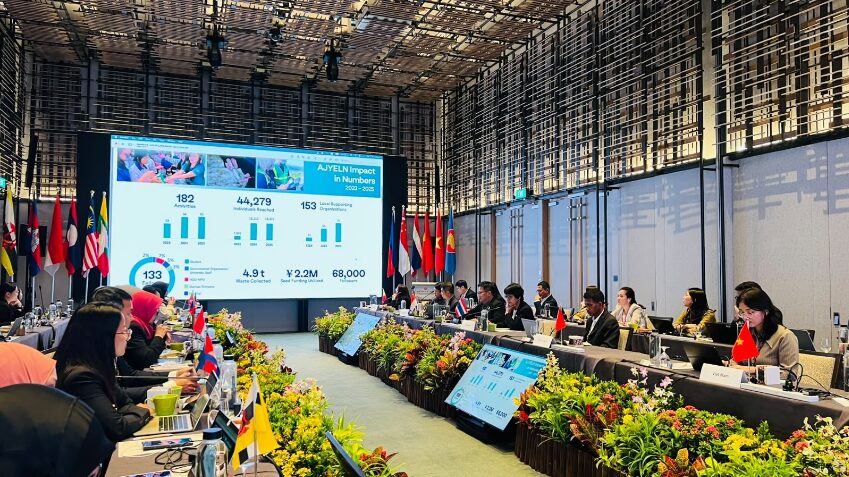
(Main Image Figure 1 AJYELN 2.0 Presentation during the 18th ASEAN Working Group on Environmental Education (AWGEE) on July 2, 2026 in Singapore)
The ASEAN-Japan Young Environmental Leaders Network (AJYELN), implemented by the ASEAN-Japan Centre (AJC), participated in the 18th Meeting of the ASEAN Working Group on Environmental Education (AWGEE), held on 2–3 July 2026 in Singapore.
AWGEE serves as ASEAN’s regional platform for discussing environmental education priorities, country updates, and partner-supported initiatives across ASEAN Member States. AJYELN’s participation marked AJC/AJYELN’s third engagement with the Working Group, reflecting the programme’s growing recognition within ASEAN’s environmental education cooperation architecture.
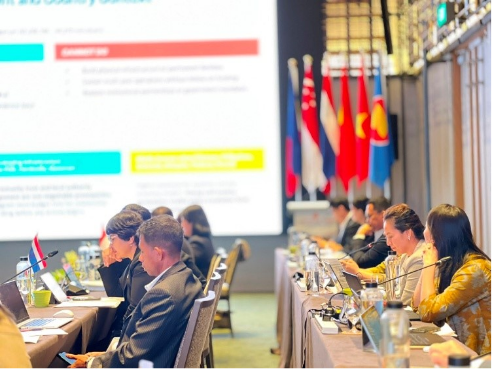
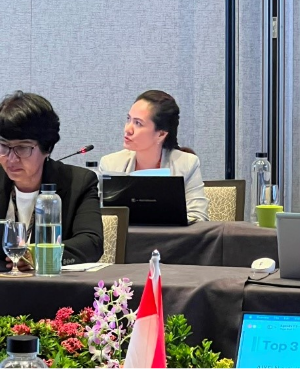
Figure 2 Dr. Katrina Navallo, Head of Research and Policy Advocacy, ASEAN-Japan Centre, Programme Manager of AJYELN delivered AJYELN accomplishments across 3-year of programme.
At the meeting, Dr. Katrina Navallo, Senior Programme Manager and Head of the Research and Policy Advocacy Cluster, and Ms. Nurlatifah, Program Associate presented AJYELN’s three-year accomplishments, programme impact, and strategic direction for FY2026 and beyond.
Presenting Three Years of AJYELN Impact
During the session, AJYELN was presented alongside major regional and international environmental actors, including the ERIA Regional Knowledge Centre on Marine Plastic Debris, ASEAN Centre for Biodiversity, GIZ, Hanns Seidel Foundation, US-ASEAN Business Council, and ASEAN Foundation. This positioning enabled AJYELN’s results and future direction to be reported directly to ASEAN stakeholders together with other established environmental cooperation initiatives.
The presentation highlighted AJYELN’s cumulative achievements from 2023 to 2025. Across its first three programme years, AJYELN fellows delivered 182 activities, reached 44,279 individuals, built a network of 153 local supporting organizations, utilized approximately ¥2.2 million in seed funding, collected 4.9 tons of waste, and expanded its online reach to approximately 68,000 followers.
The presentation also emphasized that AJYELN has evolved from a school-based awareness programme into a broader community implementation platform. In 2023, most participants reached by fellows were students in school settings. By 2025, local residents had become the largest audience group, demonstrating AJYELN 2.0’s shift toward community-based environmental action.
Strengthening AJYELN’s Regional Recognition
AJYELN’s continued participation in AWGEE has strengthened its visibility as a regional ASEAN-Japan environmental cooperation platform. Through the meeting, AJC was able to share AJYELN’s programme outcomes directly with ASEAN Member State representatives and regional partners, while highlighting the programme’s relevance to ASEAN’s broader environmental education agenda.
The meeting also served as an important opportunity to exchange ideas and explore future collaboration. AWGEE members have continued to support AJYELN by sharing programme information through their national and institutional networks, contributing to broader regional outreach and stronger country-level visibility.
Several follow-up opportunities were also discussed, including potential collaboration with Indonesia and the Philippines in youth environmental leadership, resource-person engagement, and national-level linkages. These exchanges reaffirmed AJYELN’s role as a platform for connecting young environmental leaders, institutions, and partners across ASEAN and Japan.
Learning from Singapore’s Environmental Education Practices
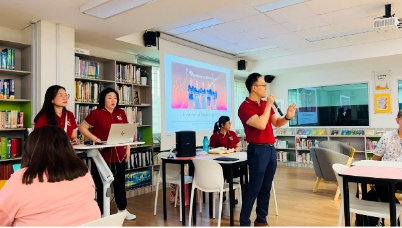
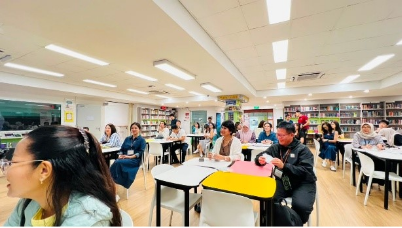
Figure 4 Site visit to Compassvale Secondary School, Singapore
In conjunction with the AWGEE programme, AJC representatives also joined a study visit to Compassvale Secondary School, an eco-school in Singapore. The visit provided a practical example of how environmental education can be embedded across the school ecosystem through curriculum, campus, culture, and community.
The school shared its whole-school approach to environmental sustainability, including sustainability-related lessons across subjects, student-led environmental initiatives, recycling campaigns, hydroponic farming, upcycling activities, and community engagement. The visit demonstrated how environmental education can move beyond classroom learning and become part of students’ daily habits, leadership development, and community contribution.
Looking Ahead: Toward AJYELN 3.0
The AWGEE presentation also introduced AJYELN’s future direction toward AJYELN 3.0, which is envisioned as a step up in complexity and ambition. This next phase aims to deepen AJYELN’s contribution to policy dialogue, green entrepreneurship, alumni network development, institutional leadership, and stronger ASEAN-Japan stakeholder engagement. The programme’s direction reflects one of the key insights from the presentation: AJYELN is not a static fellowship, but a platform designed to grow with its participants and respond to evolving environmental challenges in the region.
Continuing ASEAN-Japan Youth Environmental Cooperation
AJYELN’s participation in the 18th AWGEE Meeting reaffirmed its role as an ASEAN-Japan platform for nurturing the next generation of environmental leaders. Through three years of evidence, AJYELN has shown that when young people are trusted with resources, trained in leadership, and connected across ASEAN and Japan, they can build solutions that complement national programmes and reach communities in ways that formal institutions may not always be able to achieve.
Moving forward, AJC will continue strengthening AJYELN’s regional visibility, stakeholder engagement, and collaboration with ASEAN Member States and partner organizations. Continued coordination with AWGEE will be important in sustaining AJYELN’s regional relevance and translating youth-led environmental action into broader ASEAN-Japan cooperation.