

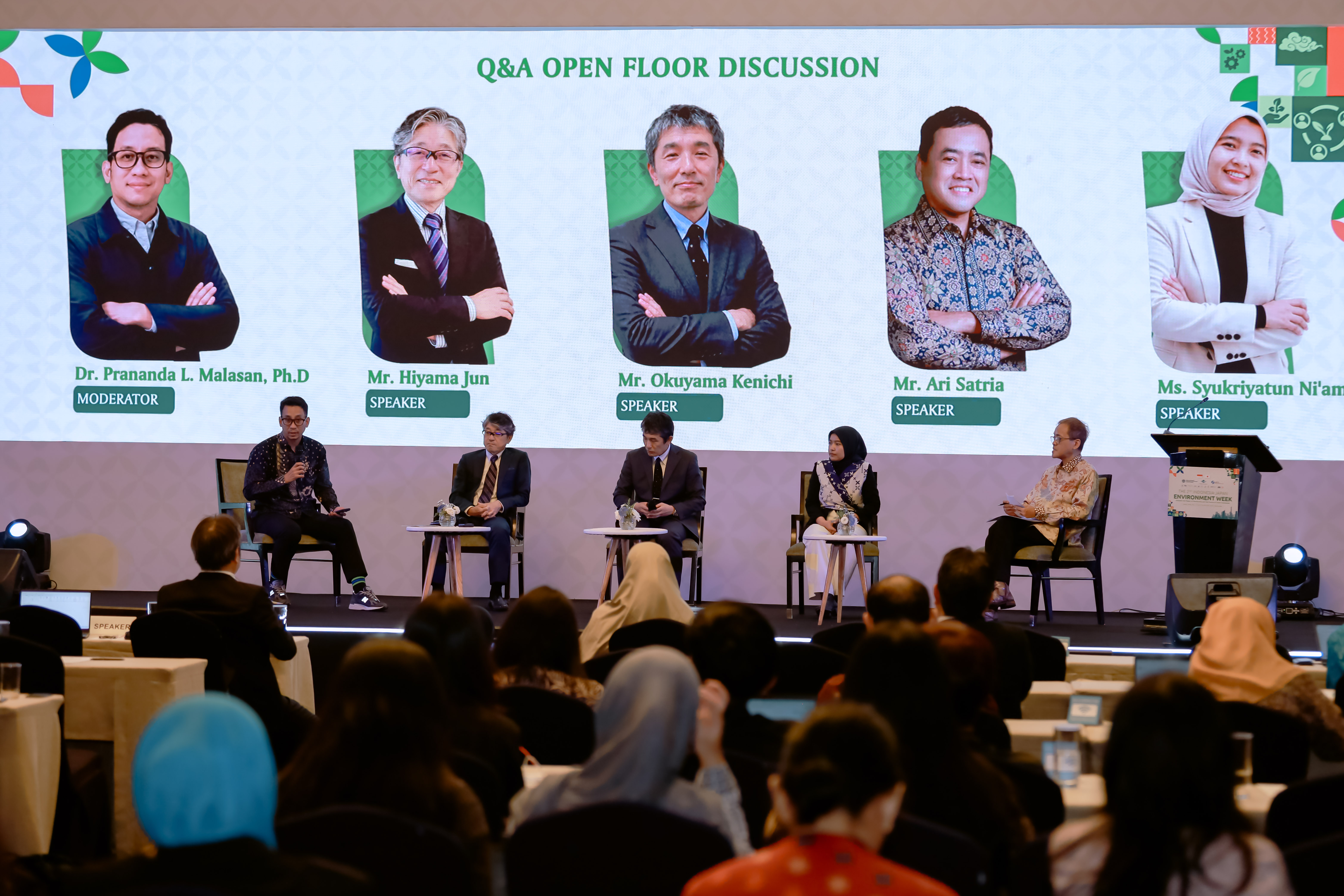
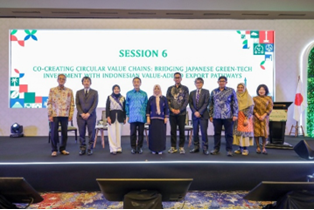
The ASEAN-Japan Centre organized an official session titled “Co-Creating Circular Value Chains: Bridging Japanese Green-Tech Investment with Indonesian Value-Added Export Pathways” at 2nd Indonesia-Japan Environment Week on 12 May in Jakarta, Indonesia.
Co-organized with the Ministry of Trade Republic of Indonesia and Japan Clean Ocean Material Alliance (CLOMA), the session attracted about 190 participants from Indonesia and Japan onsite and online, who had interesting in the waste to energy solutions and upcycling from the waste.
Following the organizer’s opening remarks, CLOMA speaker highlighted their initiatives toward plastic resource circulation and public-private collaboration, alongside the activities of the CLOMA Indonesia Working Group. Next, Japanese company presented innovative technologies having high potential to provide solutions by the gasification technology to convert mixed waste.
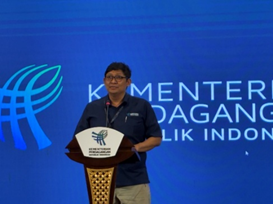
The Indonesian government presented Indonesia’s shift toward a green economy by driving circular and design-based exports. Through strategic initiatives such as the Indonesia Design Development Centre and the Good Design Indonesia awards, the Ministry of Trade empower local SMEs to transform waste materials into innovative, highly competitive products for the global market.
The presentation by the Indonesian enterprise highlighted that despite various hurdles such as cost and infrastructure, the capability of design to upcycle waste into high-value products generates a virtuous cycle within local communities.
During the panel discussion, it was emphasized that further public-private cooperation is essential to tackle waste management challenges, incorporating questions and input from the audience.
Business Pitch Session
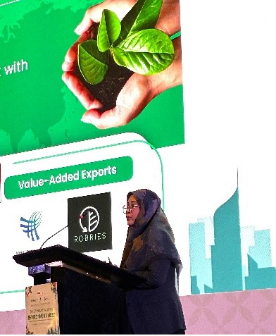
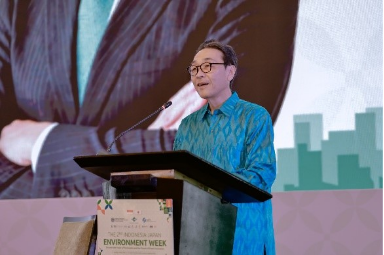
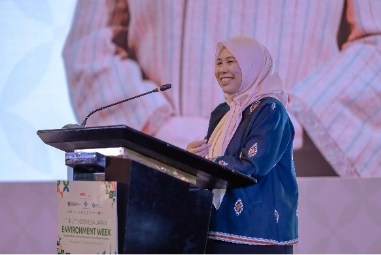
ASEAN-Japan Centre delivered a presentation at the business pitch session on Day1 of the Environment Week. During the session, the Centre gave an overview of the center’s trade and investment promotional activities in the environmental business sectors, managing the exhibition booth, and introduced the topics of the official sessions for Day 2.
Booth exhibition
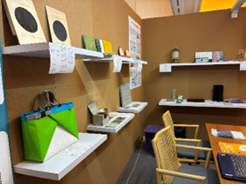
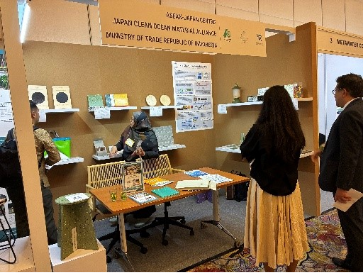
Inside the exhibition area, the Centre set up a joint booth with the Ministry of Trade Indonesia and CLOMA. Aligned with the promoting circular value chain, as main topic, the booth showcased upcycled products created through waste recycling, the reuse of unneeded items, and resource recovery. This served as an excellent opportunity to appeal to the export potential of these items in the Japanese sustainable products market. These products have received the Good Design Indonesia Award and Japan Good Design Award, highlighting the design collaboration between Indonesia and Japan to solve waste-related issues.
Technical visit and business matchings
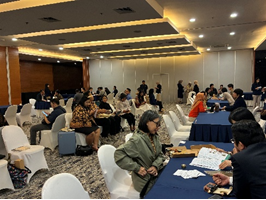
Subsequent to 2nd Indonesia-Japan Environment Week, the Centre organized a technical visit to Lattice Creative Garden in Jakarta on May 13. This unique commercial complex’s facade is covered by upcycled panels made from plastic waste, this commercial complex served as a practical example of integrating recycled plastic materials into architectural design. Following the visit, Ministry of Trade Indonesia organized business matchings at the main hall of the Ministry, which brought together Japanese companies and over 30 Indonesian private sectors specializing in environmental business and upcycled products exporters.
Way forward
The project made us to reaffirm the potential for cooperation using Japanese technologies in waste management and the creation of circular value chains, which are pressing challenges in Indonesia. To continuously follow up on the outcomes of this initiative, the ASEAN-Japan Centre will continue to promote the building of sustainable business partnerships and co-creation relationships.
関連リンク
Results of 2nd Indonesia-Japan Environment Week
Official report of 2nd Indonesia-Japan Environment Week


