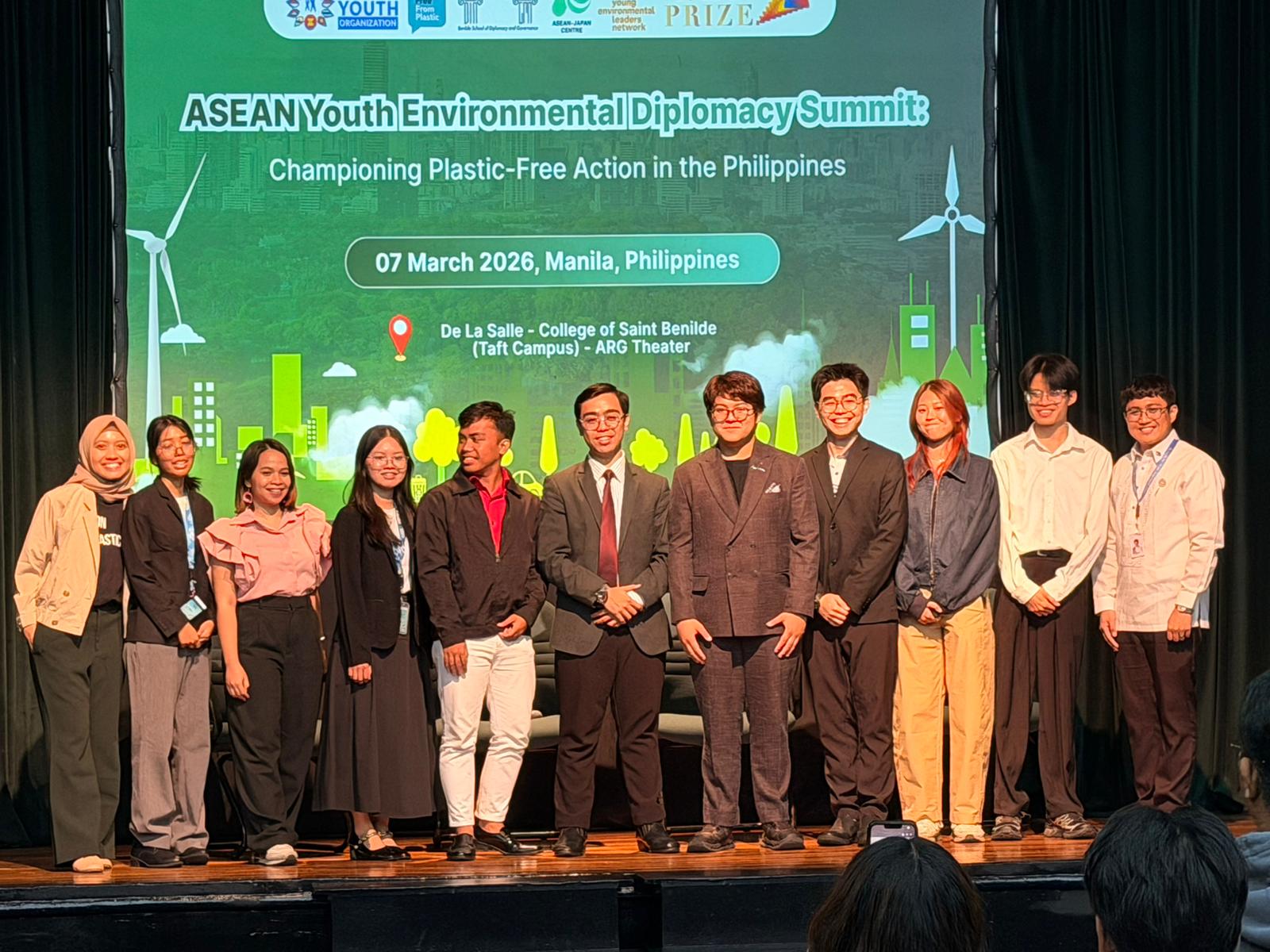
(Main image: Figure 1 Eleven AJYELN 2.0 Fellows (2025) at the ASEAN Youth Environmental Diplomacy Summit in Manila on March 7 )
The eleven (11) fellows of the ASEAN-Japan Young Environmental Leaders Network (AJYELN2.0) were featured in the ASEAN Youth Environmental Diplomacy Summit: Championing Plastic-Free Action in the Philippines held on 7 March 2026 at De La Salle–College of Saint Benilde in Manila, Philippines. The Summit brought together youth leaders, environmental advocates, policymakers, and civil society organizations to exchange ideas and strengthen collaboration toward plastic-free communities across ASEAN and Japan.
The hybrid summit gathered participants both on-site and online, creating a platform for dialogue on environmental diplomacy, youth innovation, and community-driven solutions to plastic pollution. The event was co-organized by the ASEAN-Japan Centre with the ASEAN Youth Organization, Break Free from Plastic, and De La Salle–College of Saint Benilde School of Diplomacy and Governance.
A Year of Innovative Actions, Sustainable Progress
The summit also served as a platform for AJYELN Fellows from across ASEAN and Japan to present the outcomes of their environmental initiatives. In 2025, AJYELN Fellows implemented 57 awareness campaigns and activities between August and December 2025 across 10 ASEAN Member States and Japan.
Through these initiatives, the Fellows engaged approximately 12,305 individuals and established 64 collaborations with local communities and organizations. In addition, AJYELN has reached more than 65,300 young people aged 15–35 across ASEAN and Japan through its Facebook and Instagram platforms.
During the summit, AJYELN also hosted an exhibition booth showcasing environmental projects implemented by Fellows from across ASEAN and Japan.
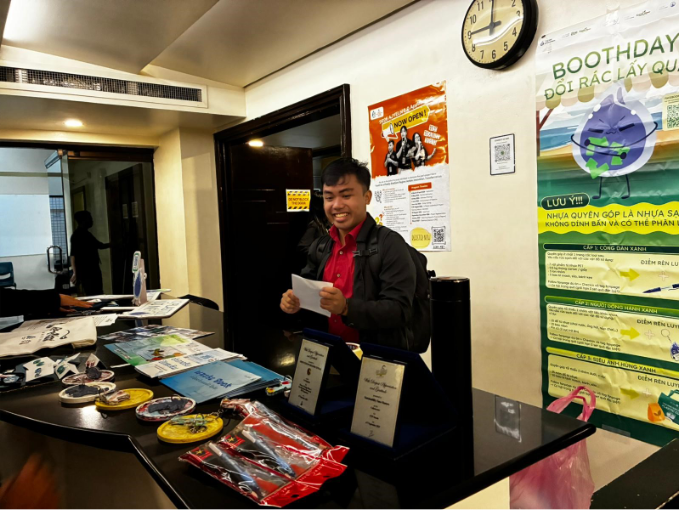
The booth highlighted a diverse range of youth-led initiatives addressing plastic pollution and community-based sustainability efforts. Several Fellows brought small souvenirs and project-related giveaways that reflected the creativity and impact of their initiatives. Visitors also had the opportunity to explore the AJYELN Storybook, which documents the projects and experiences of Fellows in greater detail and provides insights into how youth-led actions are contributing to environmental solutions across the region.
Opening Session
The summit opened with welcoming remarks from the organizers and partner institutions. Covie Paulo Ronquillo, MA, Research Head of ASEAN Youth Organization / AYO RECENT, addressed the urgency of plastic pollution as a cross-regional challenge and emphasized the importance of collaborative efforts to combat plastic waste.
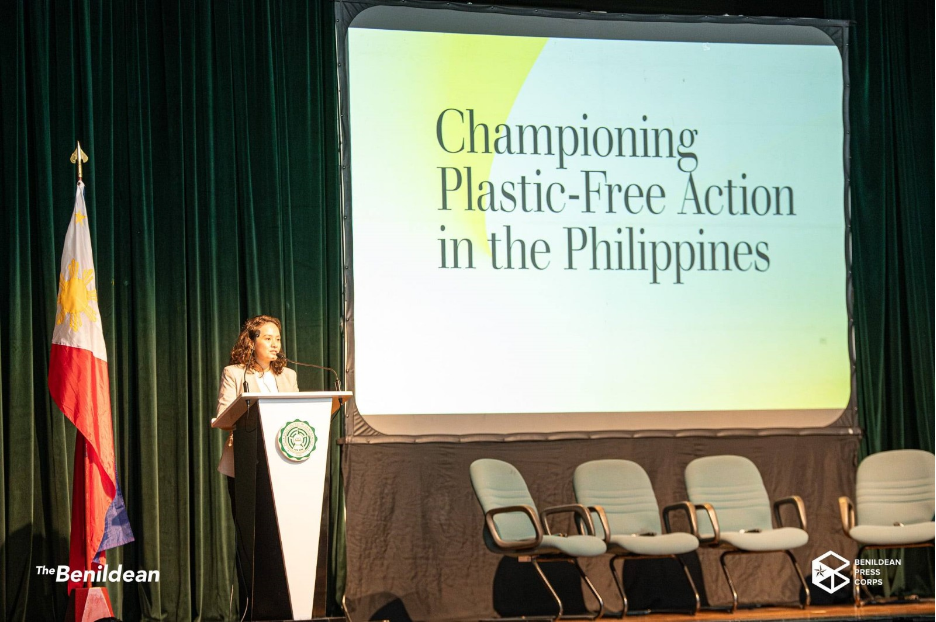
Dr. Katrina Navallo, Programme Manager of the ASEAN-Japan Centre, introduced the year-round innovative actions implemented by 34 AJYELN Fellows from ASEAN and Japan. She highlighted how empowering young people to participate in environmental diplomacy is essential for advancing sustainable development and strengthening regional cooperation.
Professor Catherine Dee Samaniego, Chairperson of the Diplomacy and International Affairs of the De La Salle–College of Saint Benilde, also emphasized the growing concern surrounding plastic pollution and the urgent need for collaborative solutions, highlighting the important role of youth engagement in addressing environmental challenges.
Keynote Remarks
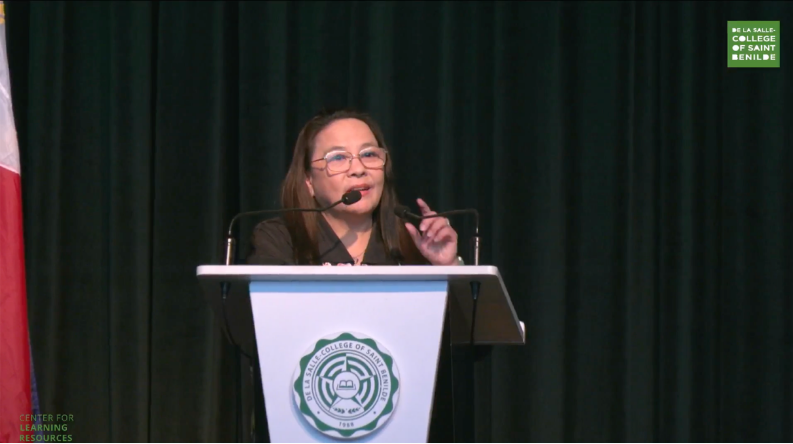
The keynote address was delivered by Maria Cristina A. Francisco, Chief of the Environmental Education and Information Division of the Environmental Management Bureau (EMB), Department of Environment and Natural Resources (DENR). In her remarks, she underscored the Philippine government’s ongoing efforts to reduce plastic pollution through policy development, extended producer responsibility (EPR) initiatives, and strengthened environmental education and awareness programs.
Expert-Led Discussions
Plastic-Free Talks
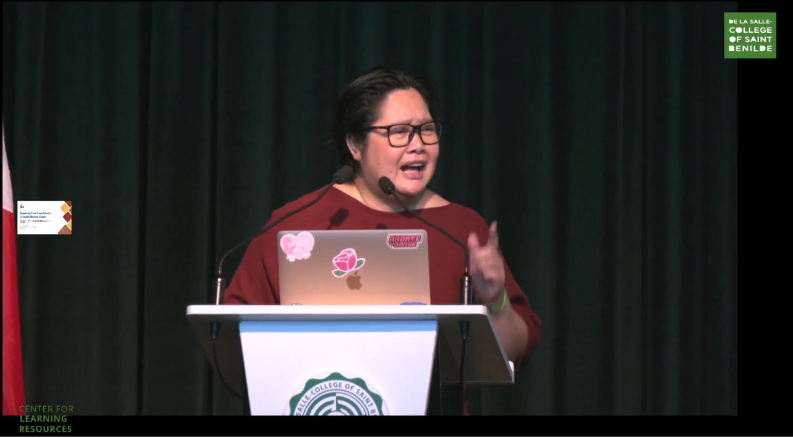
Ms. Faye Ferrer, a network organizer with #BreakFreeFromPlastic Philippines, highlighted the pervasive presence of plastic pollution in everyday life, emphasizing that addressing the issue requires greater collective effort and a clearer distinction between genuine solutions and ineffective or false alternatives. She stressed the importance of collaboration among corporations, policymakers, and youth, promoting corporate accountability and encouraging a systemic shift toward sustainable reuse systems.
Panel Sessions
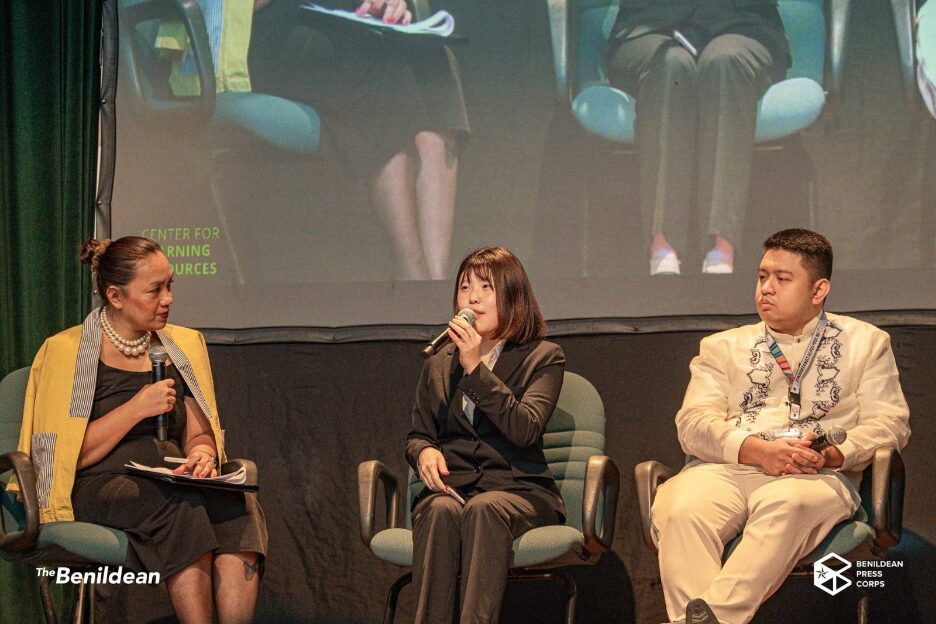
Joining the session on “Youth Innovations for a Plastic-Free Future”, Sakura Suzuki, AJYELN Japan Fellow shared her experiences in organizing plastic waste upcycling initiatives in her hometown, Akita Prefecture in Japan and emphasized the value of networking and promoting environmental awareness using social media in reaching her peers. As a young environmental leader in Japan where social movements are mostly community- and advocacy-based, she shared that starting with small activities helped her and her team to gain confidence in their environmental initiatives.
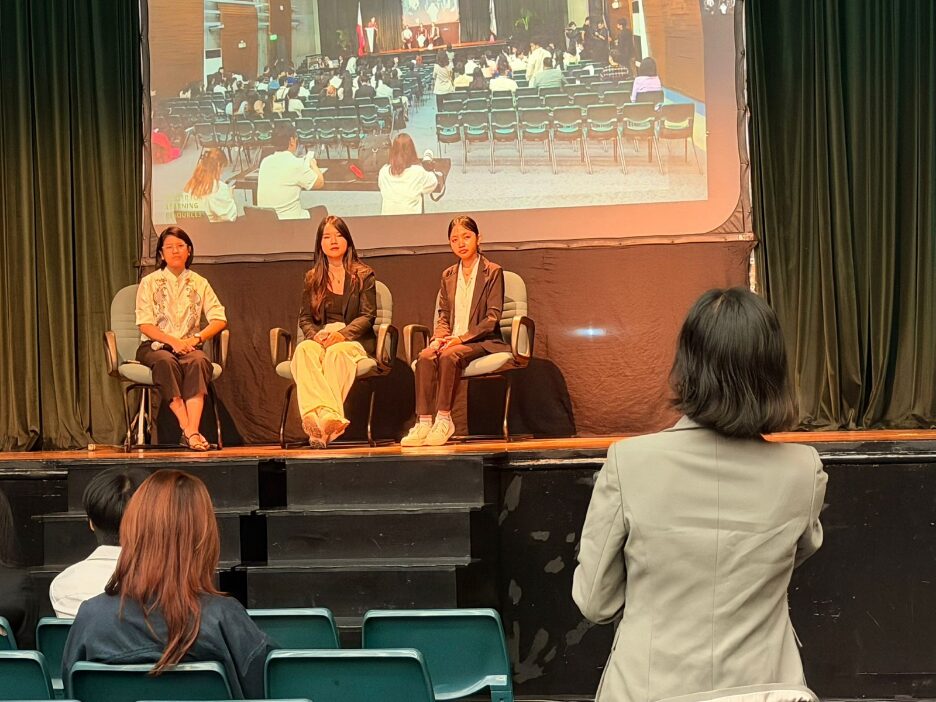
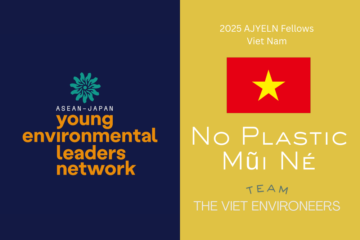
Le Do Thanh Thu “Chloe”, AJYELN Viet Nam Fellow, and Luh Anggreni, AJYELN Indonesia Fellow shared their experiences on how they actively worked with local governments and private stakeholders in implementing their projects in their communities. Chloe and her team developed a Green Tourist Map in Mui Ne, where they identified and partnered with local businesses supporting sustainability practices to be included in the mapping initiative. Meanwhile in Bali, Luh and her team directly worked with the leaders of Gerbangsih Sangsit village, a coastal fishing community to learn and apply 3R principles in their livelihood practices.
Youth Share Sessions
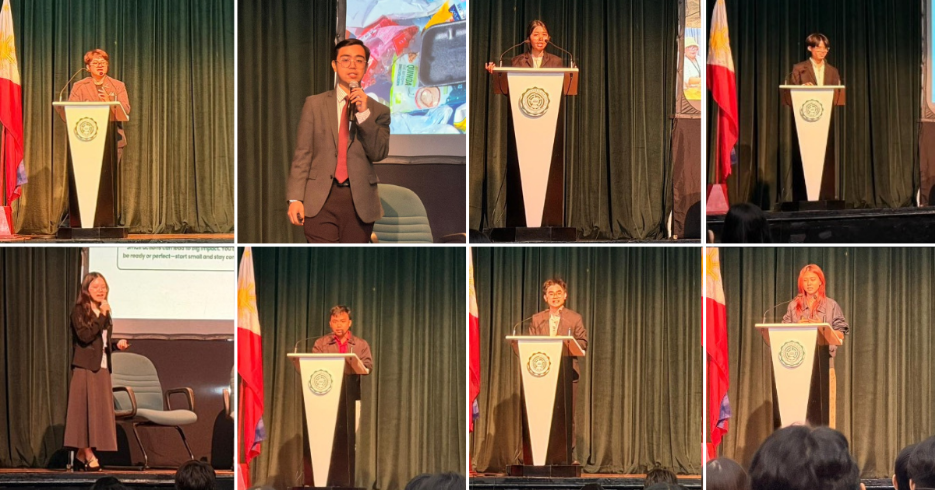
Muhammad Izzudin bin Haji Nor Isham from AJYELN Brunei talked about Project Ripple Effect’s initiative to empower young leaders through a seven-part workshop on environmental and sustainability advocacy and leadership masterclass.
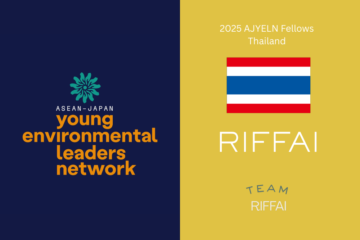
Puthiphat Jirawatanaphalin from AJYELN Thailand exhibited how his team, RIFFAI developed the Riffai Blue, an AI satellite to monitor macro-ocean plastic waste which is now being exhibited in Bangkok.
Win Pyae Pyae Aung, from AJYELN Myanmar demonstrated that inclusivity is a critical component of environmental awareness. Her team actively engaged with more than 70 people with disabilities in Myanmar during their upcycling and trash sorting workshops.
Menghorng Kao, from AJYELN Cambodia shared how her team combined fashion and art in reaching students and engaging them to develop youth-led solutions to recycling plastic waste and promoting peer learning and meaningful connections.
Phoutthavong Phoumivong, from AJYELN Lao PDR shared their unique experience of promoting circular economy in a local temple in Wat Mai Xokkhum through community-based waste collection and trash sorting.
Samuel Ling How Zhuon, from AJYELN Malaysia talked about using a youth-led approach in their environmental initiatives, focusing on the following three actions: Mobilize-Educate-Act. They believe that creating bite-sized environmental activities and building platforms for the youth to create and implement their own projects allow for the transformation of their ideas to reality.
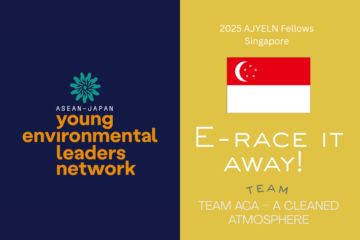
Aw Bao Fang “Chloe”, from AJYELN Singapore shared that while her country has strong environmental governance, youth activism remains limited. Hence, her team focused on attracting the youth through gamification of environmental race, which incorporated digital tools to make their activity fun and engaging.
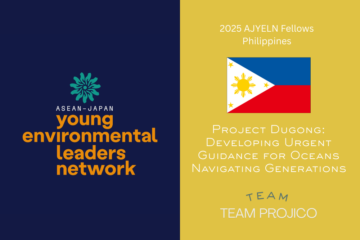
Jick Acupan, from AJYELN Philippines shared his team’s micro-grant funding model to empower youth leaders in Saranggani Province in southern Philippines, through Project DUGONG.
Strengthening Regional Youth Collaboration
Throughout the summit, participants engaged in discussions on how youth networks can strengthen environmental diplomacy and regional sustainability efforts. The interactive format encouraged participants to exchange ideas, share experiences, and explore opportunities for collaboration beyond the summit.
During the breakout sessions and World Café discussions, participants exchanged ideas on practical approaches to addressing plastic pollution at both community and regional levels. Several groups highlighted the potential of incentive-based systems to encourage recycling and responsible waste management. The discussions highlighted the growing role of youth networks such as AJYELN in fostering regional dialogue and empowering young leaders to take action in their communities.
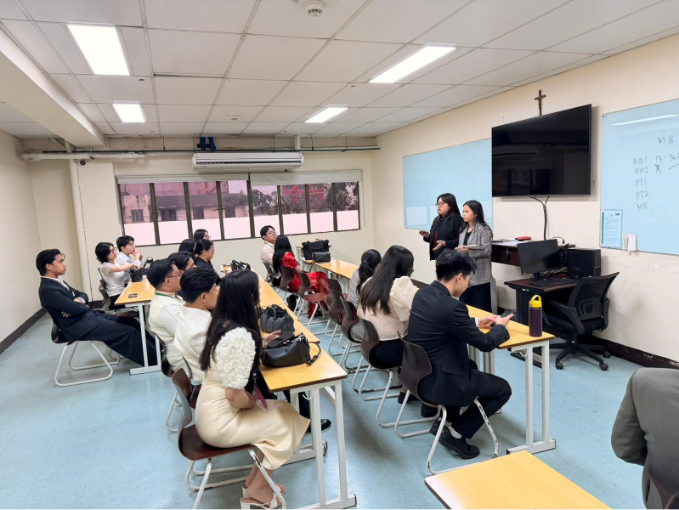
Participants also emphasized the importance of waste audits, stronger policy development, and integrating successful initiatives across the ASEAN region. Community-based solutions—such as waste segregation, environmental education, and early youth engagement—were identified as key strategies to address the root causes of plastic pollution.
In addition, participants discussed the value of creating regional platforms, such as an ASEAN Youth Circular Economy Conference, to facilitate knowledge sharing and strengthen collaboration with business partners to promote eco-friendly packaging and sustainable alternatives.
Looking Ahead
The summit concluded with a shared commitment to strengthen youth collaboration and promote innovative solutions to environmental challenges across ASEAN and Japan. Participants reaffirmed the importance of supporting youth-led initiatives and expanding opportunities for young leaders to contribute to environmental policymaking and community action.
By bringing together youth leaders, policymakers, and environmental advocates, the ASEAN Youth Environmental Diplomacy Summit demonstrated the power of collaboration in building a more sustainable and plastic-free future for the region.
External Link
YouTube playlist to AJYELN 2.0 (2025) Fellows Projects & Accomplishments : https://youtube.com/playlist?list=PLEeibcySrqF9iozSfyMKOxOb8hrIFNh1E&si=fvn7MYJz6Jqg3i-H