Utilising Surplus Harvests to Build a Sustainable Agricultural Ecosystem
Country’Vest is an impact-driven social enterprise based in Ifugao, a province of the Philippines. The company was established to address a critical structural gap in the highland agricultural sector: the extreme seasonal price volatility and lack of processing infrastructure that leaves smallholder farmers vulnerable. During peak harvest seasons in Ifugao, farmgate prices can decline by as much as 60–85%, forcing farmers to sell their produce at unsustainably low prices or discard surplus crops altogether.
In response, Country’Vest creates sustainable market opportunities for local farmers by purchasing surplus and ‘cosmetically imperfect tomatoes’ and transforming them into value-added products. Through this approach, Country’Vest helps stabilize farmer incomes, strengthen rural livelihoods. By introducing localised processing capacity, the enterprise provides a guaranteed market for farmers, stabilises their income, and transforms agricultural waste into value-added products that can be distributed year-round. These efforts allow the company to build a more resilient and sustainable agricultural ecosystem in the Cordillera Region.
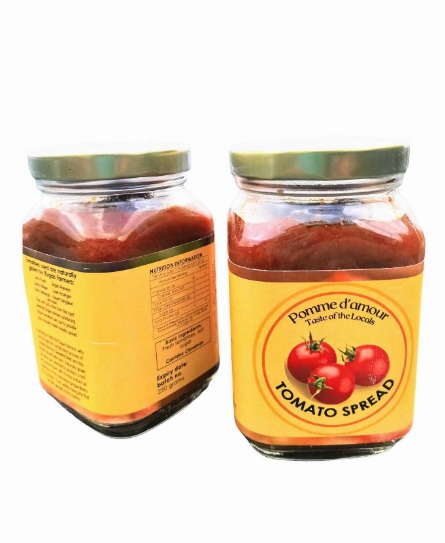
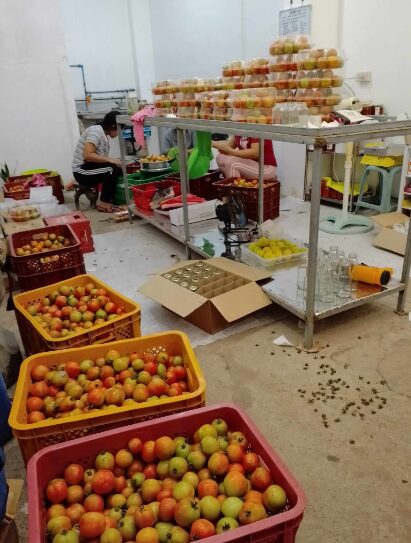
(Left) Surplus tomato processing and packing (Right) Our flagship tomato spread
Through the #ImpactLink Programme, the founder: Justina Nadiahan reflects on how structured frameworks, and coaching strengthened her enterprise’s institutional engagement, sharpened its impact narrative, and accelerated its readiness to scale.
➤ What key challenges did you have in scaling your social enterprise?
Before participating in ImpactLink, we were already experiencing several challenges in scaling our social enterprise and expanding our market reach. The first is modernising production. Transitioning from manual to semi-mechanised manufacturing requires significant capital. We are addressing this through the Department of Science and Technology (DOST) SETUP program, a flagship initiative by the Philippine government that provides MSMEs with the technical upgrades to improve productivity.
The second is farmer readiness. There is often a gap between traditional harvest practices and the specific quality standards required for commercial processing. We address this by facilitating farmer training and providing consistent feedback on the quality specifications the market demands.
The third is logistical resilience. Operating in mountainous regions with fragile transport infrastructure creates unique supply chain hurdles. Managing these costs while maintaining competitive pricing for value-added products remains a core operational challenge.
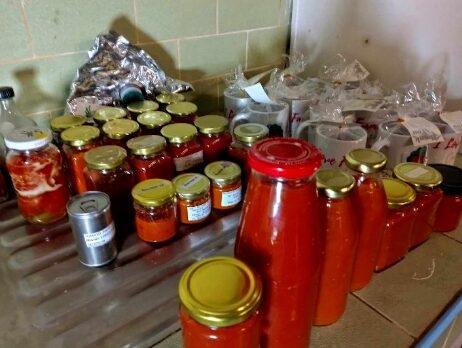
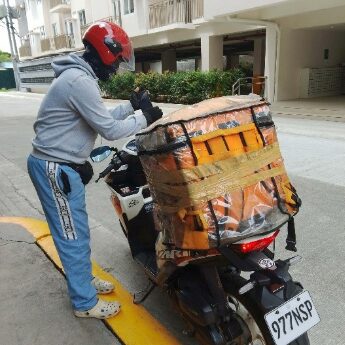
(Left) Research and development for tomato-based product innovation (Right) Lalamove, our agile last-mile logistics and distribution, to transport our products to our difference branches and outlets
➤ How has your approach to communicating impact evolved?
Our communication has evolved from general advocacy to focused, data-backed storytelling. We now emphasise our circular value chain to show how converting “imperfect” surplus into shelf-stable products creates a systemic solution for farmer income stability. This refined approach allows us to clearly articulate the tangible link between sustainable manufacturing and regional economic resilience to our partners, stakeholders, and the communities we serve.
ImpactLink provided the international credibility and framework needed to formalise our growth and accelerate our expansion. The Programme has set a professional tone for leadership, empowering us to navigate institutional hurdles and secure the physical infrastructure needed to scale our impact.
– Justina Nadiahan, Founder of Country’Vest
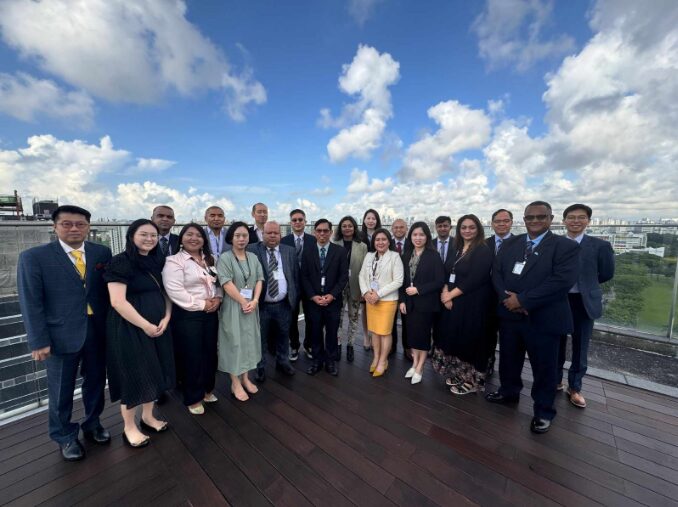
Participated in the Asian Productivity Organization (APO) Workshop in Singapore after being selected based on the strength of our Business Model Canvas (BMC).
➤ How did your thinking around impact, fundraising, and investment change?
We have moved from the general need for capital to a more strategic understanding of investment alignment. We now recognise that not all investment is the right fit for our mission; instead, we categorise funding and impact opportunities to identify partners who value long-term social outcomes. This shift allows us to focus on “patient capital” that supports our circular value chain and ensures our growth directly benefits farmer stability.
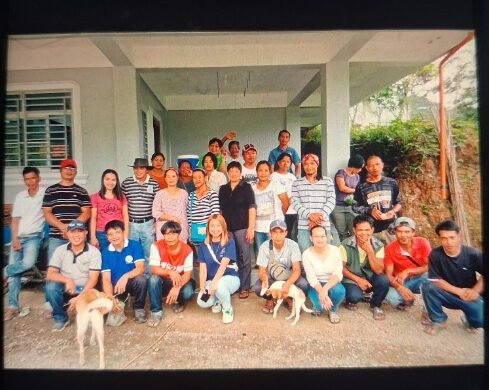
Capacity building and farmer empowerment – in coordination with the government agencies to provide Good Agricultural Practices (GAP) training for our partner farmers.
➤ How has #ImpactLink supported your readiness to receive funding or grants?
ImpactLink has significantly matured our approach to institutional engagement. By adopting frameworks like the Theory of Change and impact log frame, we have professionalised how we measure and present our outcomes to government agencies and grant-giving bodies. This data driven approach allows us to anticipate stakeholder requirements and present a sophisticated, evidence-based narrative.
Furthermore, the Programme also provided structured financial models that have simplified our internal record-keeping. While we are still refining our mastery of these tools, they have made navigating our numbers much more accessible and have increased our confidence in presenting transparent impact metrics.
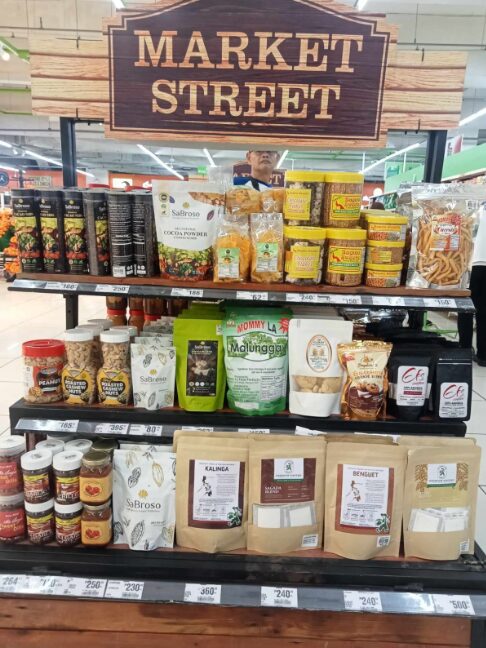
Our core products and product expansion (complementary lines) displayed in SM supermarkets.
➤ How has your readiness to pursue funding or grants evolved?
ImpactLink equipped us with the credibility and structured frameworks needed to formalise our growth and engage institutional partners in stronger footing. This readiness gave me the confidence to be more persistent with bureaucratic processes―for example, we successfully moved our DOST SETUP proposal forward to a signed Memorandum of Agreement (MOA) by using the programme’s standard to validate our operational progress.
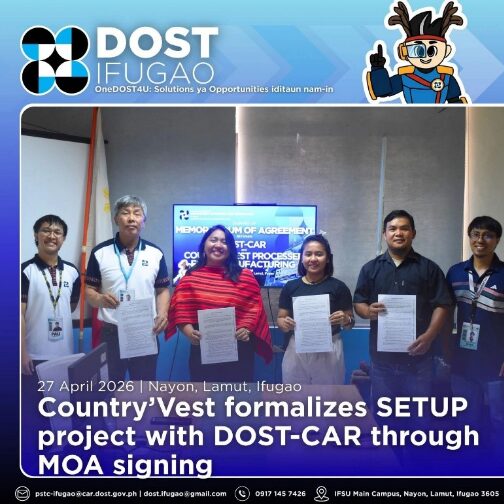
Official MOA signing for our DOST SETUP proposal project
I also applied this data-driven confidence to negotiate a strategic partnership with our Provincial Government Unitto utilise an unused government building for our operations. This initiative has resulted in an agreed lease and is now moving forward through a formal resolution towards a Memorandum of Agreement (MOA). Together, these milestones reflect how ImpactLink has strengthened our ability to navigate complex institutional processes and secure the foundation needed to scale our work with farming communities.
——————————————————————————————–
Learn more about Country’Vest at: https://www.facebook.com/countryvest/
Follow Justina’s journey: https://www.linkedin.com/in/justina-nadiahan-0369b8229 ; https://www.facebook.com/justina.nadiahan.2025?rdid=rKOEWAp7XTcKWVau&share_url=https%3A%2F%2Fwww.facebook.com%2Fshare%2F1Dhj1R6N8D%2F#
Disclaimers:
This article is published for informational purposes only and does not constitute the promotion or endorsement of the featured business. Interview content has been edited for clarity and conciseness.
#ImpactLink is an initiative of the ASEAN-Japan Centre, launched in FY2025, to systematically strengthen the funding and investment readiness and professional capabilities of women-led social enterprises across ASEAN and Japan. The programme convenes entrepreneurs from both regions to enhance financial literacy, digital competencies, and investment readiness, while enabling the effective translation of knowledge into practical, investment-relevant action.
The Centre works as an Enabler, collaborating with ecosystem partners to support inclusive entrepreneurship through capacity-building programmes, mentorship, and cross-border collaboration.
Be a part of the #ImapactLink and send us an email at info_rpa@asean.or.jp