Making Zero Waste Living Practical, Accessible, and Economically Sustainable
Zero Waste YOLO (ZWY) is a Bangkok-based social enterprise on a mission to make zero waste living practical, accessible, and economically sustainable for everyday people and organisations. Its work focuses on three main areas: promoting behavioural change by educating people to properly clean, sort, and dispose of plastic waste, aiming for a lasting impact on Thailand’s waste management; collaborating with the Bangkok Metropolitan Administration (BMA) and environmental partners to improve the collection of low-value plastics through community networks; and innovating machinery for upcycling, employing vulnerable groups to sort waste and produce high-quality products from low-value plastics.
The enterprise’s flagship initiatives in 2026 include the BKK Zero Waste Phase 2 programme — covering 30 sites across Bangkok with regular site visits over a 10-month period — and a strategic plastic recovery partnership with rePurpose Global, targeting 250 metric tonnes of flexible plastic recovery within one year. Alongside these, ZWY is building a Circular Hub combining a refill store, repair café, upcycle workshop, and second-hand marketplace, while expanding its island conservation work in Koh Tao and Koh Mun Nok.
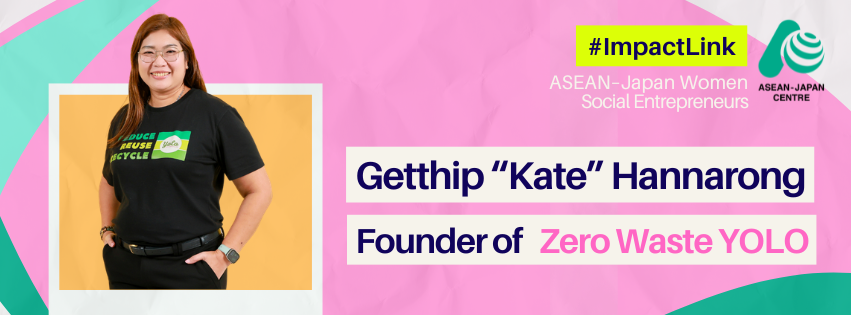
Through the #ImpactLink Programme, the founder: Getthip “Kate” Hannarong reflects on how structured coaching sharpened her enterprise’s strategic clarity, strengthened its impact communication, and shifted its approach to funding from reactive to proactive.
Video: https://youtu.be/y8x_WqijOI8
➤ What key challenges did you have in scaling your social enterprise?
Before joining ImpactLink, three major challenges shaped our journey.
One of the biggest challenges we faced was building credibility as a young social enterprise -especially when approaching corporate partners and international funders. In the sustainability sector, trust takes time, and sales cycles are often long and demanding. To compete with more established players, we had to invest significant effort into strengthening our data collection systems, impact measurement, and traceability processes.
The second challenge was balancing mission with financial discipline. We constantly faced the difficulty of pricing our services fairly against cheaper, unsustainable alternatives, while still ensuring that we could support our team and reinvest in future growth. Over time, we realised that passion alone was not enough. Saying no to opportunities that were misaligned with our values became one of the hardest, but most necessary, lessons for protecting the long-term direction of our enterprise.
The third challenge was building a lean team that can wear multiple hats — from field operations to communications to impact reporting. Recruiting and retaining mission-driven talent in a market that often undervalues impact-focused work remains an ongoing challenge, especially for growing social enterprises with limited resources.
ImpactLink became a turning point in our journey. The programme helped us communicate our impact more strategically, strengthen our confidence, and realise that we are part of a wider ecosystem of social innovators across ASEAN and Japan.
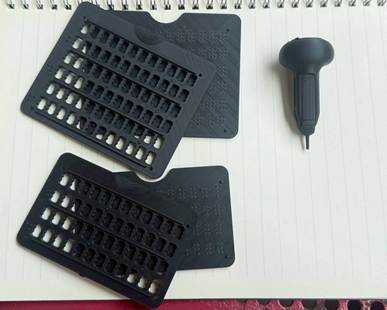
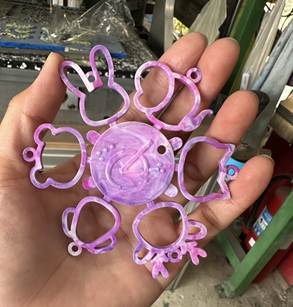
In 2026, we are launching the Retractable Stylus Tip with Compact Braille Slate for blind users, made from low-value plastic. We are also partnering with V-Craft to produce key chains featuring macramé rope crafted by blind artisans, using recycled plastic waste.
➤ How has your approach to communicating impact evolved?
Initially we communicated impact mainly in volumes — kilograms of plastic recovered or kilograms of waste diverted from landfill. Over time, we have learned that different stakeholders care about very different things. Corporate partners want credible, traceable data and clear methodologies. Community partners want to see how their participation creates value for their lives. Donors and the public want narratives that connect individual actions to system change.
Today, we layer our communication: hard numbers – volumes recovered, household participation rates, jobs supported – paired with concrete community stories, increasingly told through accessible formats, including our YouTube series YOLO Zero Waste Talk and visual dashboards. This shift has helped us move from “reporting outputs” to “telling a credible impact story.”
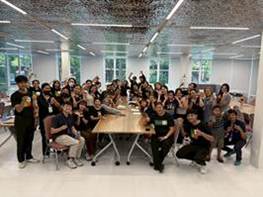
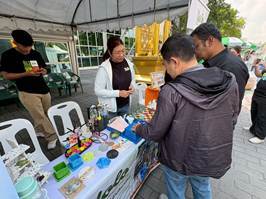
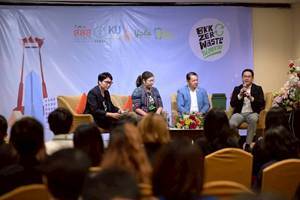
Zero waste behaviour change starts with hands-on learning. Workshops are central to our community engagement strategy.
“ImpactLink came at exactly the right moment for YOLO. The structured coaching pushed us to articulate not just what we do, but why funders and investors should care – and to back that up with credible numbers.”
– Getthip (Kate) Hannarong, Founder of Zero Waste YOLO
➤ How did your thinking around impact, fundraising, and investment change?
Our thinking has shifted from “find a grant that fits us” to “build a portfolio that fits our strategy.” We now blend three revenue streams deliberately: earned revenue from B2B services such as waste management and upcycled products; impact-linked partnerships such as plastic recovery credits; and catalytic grants for innovation and community-building work.
We have also become more comfortable saying no to opportunities that do not align with our theory of change – even attractive ones. On the investment side, we now think much more carefully about what kind of capital we need at each stage, recognising that not every dollar is equal. Mission-aligned capital, with patient timelines and partners who understand systems work, matters as much as the amount.
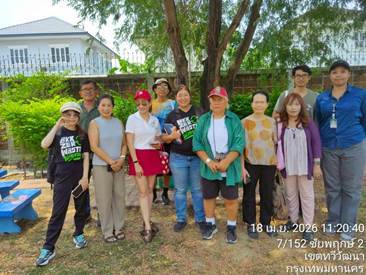
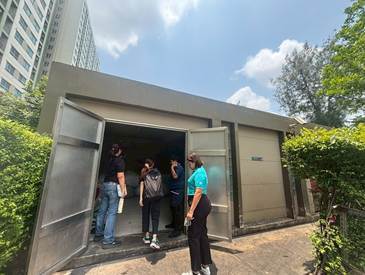
On-site waste sorting with residents — the foundation of the BKK Zero Waste programme, now scaling to 30 sites across Bangkok.
➤ How has #ImpactLink supported your readiness to receive funding or grants?
It was exactly the right moment for YOLO when I joined ImpactLink Programme. I found three things that stand out in the programme.
The first was a sharper articulation of value. Working with the Proficeo coaching team helped us tighten our pitch deck, refine our financial projections, and develop a clearer Theory of Change.
The second was materials we can actually use. We came out of the programme with an Executive Summary, a refined investor pitch, and updated financial projections; assets we now use actively in conversations with corporate partners and funders.
The third was a peer cohort that normalises ambition. Being surrounded by other ASEAN social entrepreneurs navigating similar challenges helped us see our own work in a wider regional context — both the struggles and the possibilities.
➤ How has your readiness to pursue funding or grants evolved?
A year ago, we approached funders reactively — applying when calls came up, often scrambling to repurpose old materials. Today, we maintain a live funder pipeline mapped against our strategic priorities, we have tailored materials ready for different audiences — corporate sustainability teams, foundations, and impact investors all need different things —and we are more disciplined on due diligence on the funder side, ensuring partnership terms align with our mission and protect our autonomy.
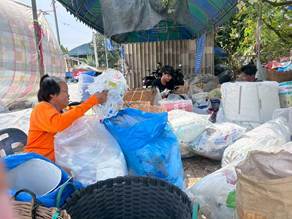
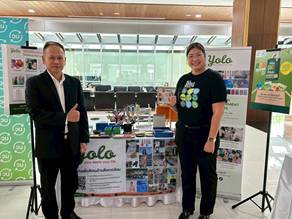
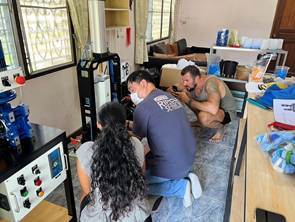
The Zero Waste YOLO team — small, scrappy, and committed to making zero waste living practical for everyone.
The impact of these changes has already become visible. We recently closed a major partnership with rePurpose Global for plastic recovery, are in active conversation with several corporate sustainability programmes, and have been selected for additional incubation programmes — including SE Thailand’s Branding Incubation. The shift from reactive to proactive has been the single biggest change.
——————————————————————————————–
Learn more about Zero Waste YOLO at: www.zerowasteyolo.com; https://www.instagram.com/zero_waste_yolo/ ; https://www.facebook.com/zerowasteyolo/
Follow Kate’s journey: https://www.linkedin.com/in/getthip;
Disclaimers:
This article is published for informational purposes only and does not constitute the promotion or endorsement of the featured business. Interview content has been edited for clarity and conciseness.
#ImpactLink is an initiative of the ASEAN-Japan Centre, launched in FY2025, to systematically strengthen the funding and investment readiness and professional capabilities of women-led social enterprises across ASEAN and Japan. The programme convenes entrepreneurs from both regions to enhance financial literacy, digital competencies, and investment readiness, while enabling the effective translation of knowledge into practical, investment-relevant action.
The Centre works as an Enabler, collaborating with ecosystem partners to support inclusive entrepreneurship through capacity-building programmes, mentorship, and cross-border collaboration.
Be a part of the #ImapactLink and send us an email at info_rpa@asean.or.jp