

Strengthening Local Food Innovation Through Community-Based Mushroom Enterprises
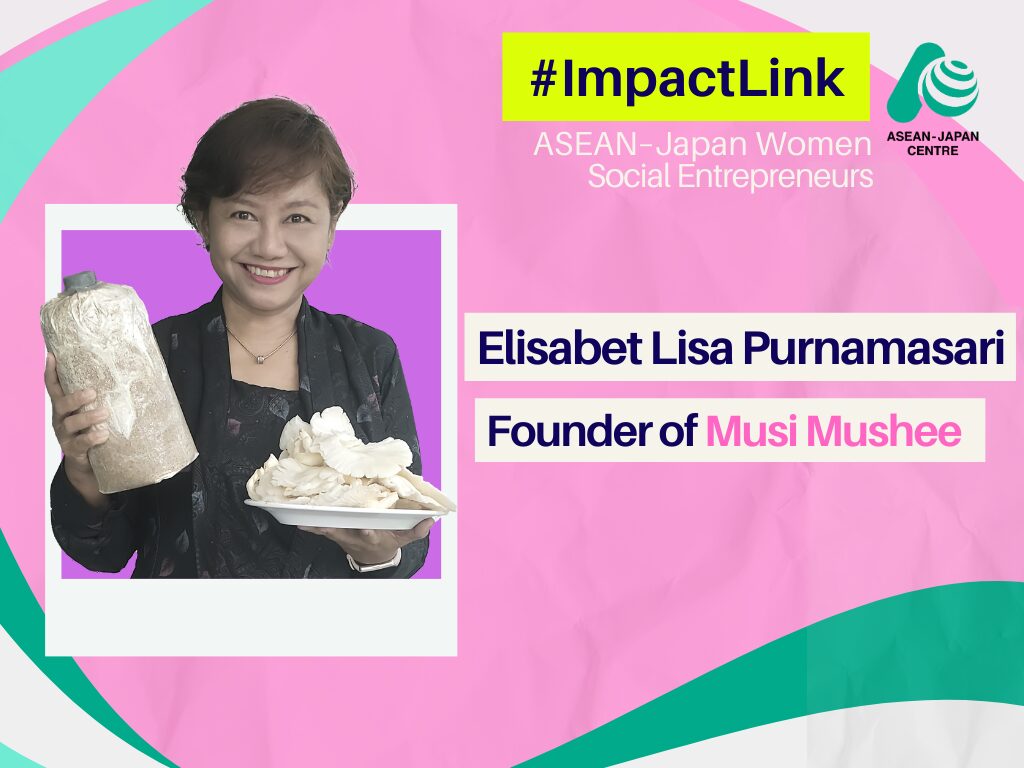
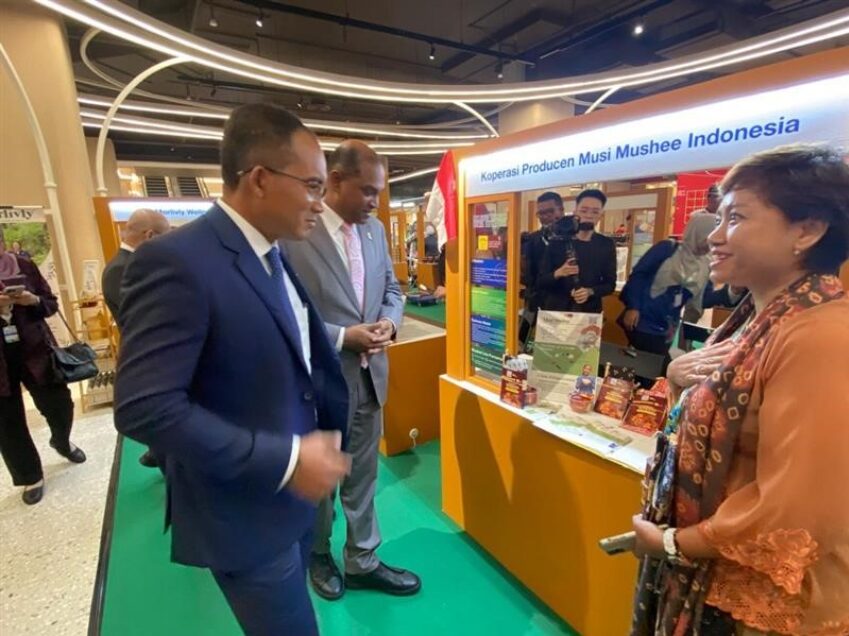
Elisabet Lisa Purnamasari is an Indonesian social entrepreneur and founder of Musi Mushee, a community-based enterprise in South Sumatra that supports local farmers by promoting oyster mushroom cultivation and developing value-added products, contributing to more sustainable and resilient local food systems. Her work also strengthens community livelihoods by linking agricultural production with emerging market opportunities, helping create more stable income streams for local producers while introducing innovative mushroom-based products to broader markets.
Through the #ImpactLink Programme, Lisa reflects on how mentoring and coaching helped clarify her business direction, strengthen her confidence, and prepare her enterprise to pursue future funding opportunities.
➤What key challenges did you have in scaling your social enterprise?
One of the main challenges I faced in scaling my social enterprise was determining the right direction for growth while still developing my products and business model. Since 2023, I have been focusing on research and development for oyster mushroom products, and the process has required time, experimentation, and continuous learning.
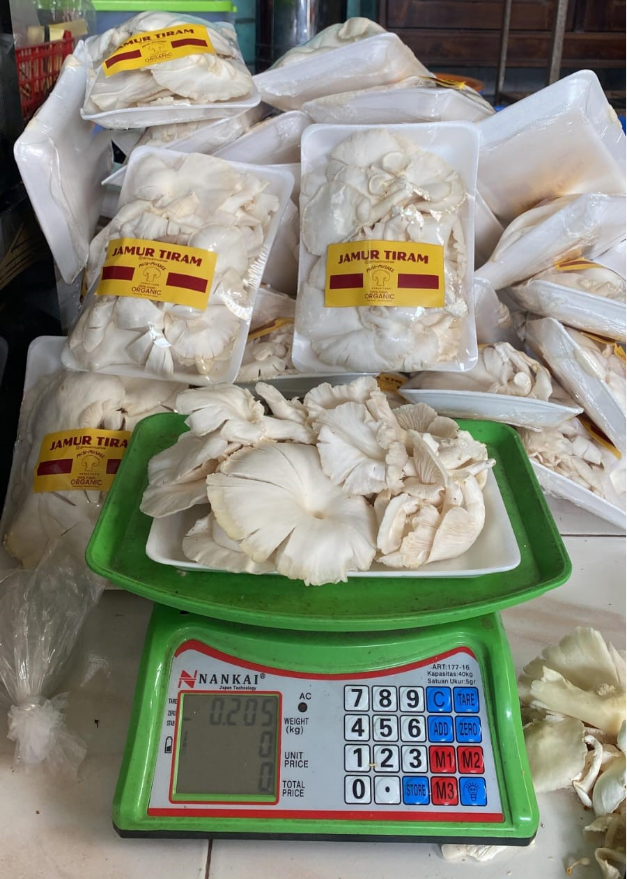
Another key challenge was demonstrating the impact of my work. While the benefits to local farmers and communities were evident, translating these outcomes into measurable indicators that could be effectively communicated to partners and potential funders proved difficult. At the same time, building a sustainable production system and pursuing certifications—such as the Prima 3 certification—required significant effort and coordination.
These challenges highlighted that scaling a social enterprise extends beyond expanding production capacity. They underscored the need to strengthen systems, build strategic partnerships, and develop the ability to measure and communicate impact effectively.
➤ How has your approach to communicating impact evolved?
Previously, I focused primarily on business activities such as mushroom cultivation and product development, without clearly articulating their broader impact on local farmers and communities.
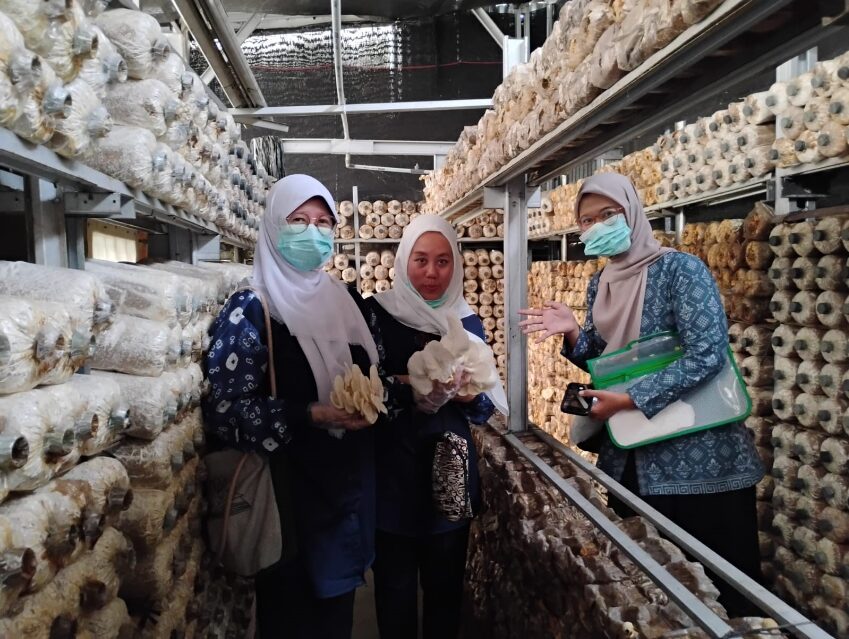
Through the #ImpactLink programme, I learned to present impact more systematically by linking these activities to measurable outcomes. I now communicate how the enterprise supports local livelihoods, creates income opportunities, and strengthens the local food ecosystem. This shift has enabled me to convey the value of my work more effectively to partners, institutions, and potential funders, while also sharpening my own strategic perspective.
“ImpactLink helped me see my enterprise more clearly — not only as a business, but as a way to support local farmers and strengthen our community.” – Elisabet Lisa Purnamasari –Founder of Musi Mushee
➤ How did the one-on-one coaching influence your thinking around impact, fundraising, or growth strategy?
Before joining the programme, I often doubted whether my enterprise was ready to pursue grants or funding. At that time, my financial situation was still challenging, and I felt uncertain about whether I deserved to apply for such opportunities.
Through the encouragement and guidance of the mentors, I gained a new perspective. The coaching helped me understand that preparation, learning, and improvement are all part of the process of building a sustainable enterprise.
Today, I feel more prepared to explore funding opportunities because I have a clearer understanding of my business direction and the impact I want to achieve. In many ways, this preparation and knowledge feel even more valuable than simply receiving financial assistance without the guidance to grow.
➤ How has #ImpactLink supported your readiness to receive funding or grants?
The #ImpactLink programme has helped strengthen my confidence and preparedness to approach funding opportunities. Through mentoring and coaching, I was able to better understand my business model, improve how I present my impact, and identify areas where the enterprise can continue to grow.
The programme experience itself has also become a valuable portfolio, demonstrating structured training and mentorship, which enhances my credibility when engaging with potential partners and funding institutions in Indonesia. Although I am still in a stage of continuous learning and improvement, the programme has given me greater confidence to move forward and continue developing the enterprise.
➤ How prepared do you feel to pursue funding or grant opportunities after ImpactLink?
Following the mentoring provided by the ASEAN–Japan Centre and Proficeo, I feel more confident in pursuing funding opportunities and better equipped to articulate the direction and impact of my enterprise. This has been reinforced by growing recognition from local government institutions, with several provincial offices in South Sumatra—including agriculture, trade, and cooperatives—visiting my enterprise and expressing interest in its activities.
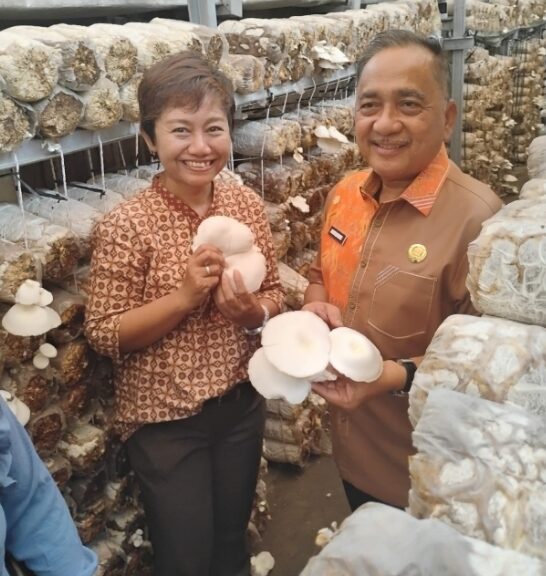
This recognition has further motivated me to continue strengthening and expanding the business. While I remain in a process of continuous learning, #ImpactLink has provided a strong foundation and momentum for the future development of my enterprise and the communities it supports.
Learn more about Musi Mushee at: https://www.instagram.com/musimushee/
Follow Lisa’s entrepreneur journey: https://www.instagram.com/lisaaprabowo
Disclaimers:
This article is published for informational purposes only and does not constitute the promotion or endorsement of the featured business. Interview content has been edited for clarity and conciseness.
#ImpactLink is an initiative of the ASEAN-Japan Centre, launched in FY2025, to systematically strengthen the funding and investment readiness and professional capabilities of women-led social enterprises across ASEAN and Japan. The programme convenes entrepreneurs from both regions to enhance financial literacy, digital competencies, and investment readiness, while enabling the effective translation of knowledge into practical, investment-relevant action.
The Centre works as an Enabler, collaborating with ecosystem partners to support inclusive entrepreneurship through capacity-building programmes, mentorship, and cross-border collaboration.
Be a part of the #Iqamapct and send us an email at info_rpa@asean.or.jp


