

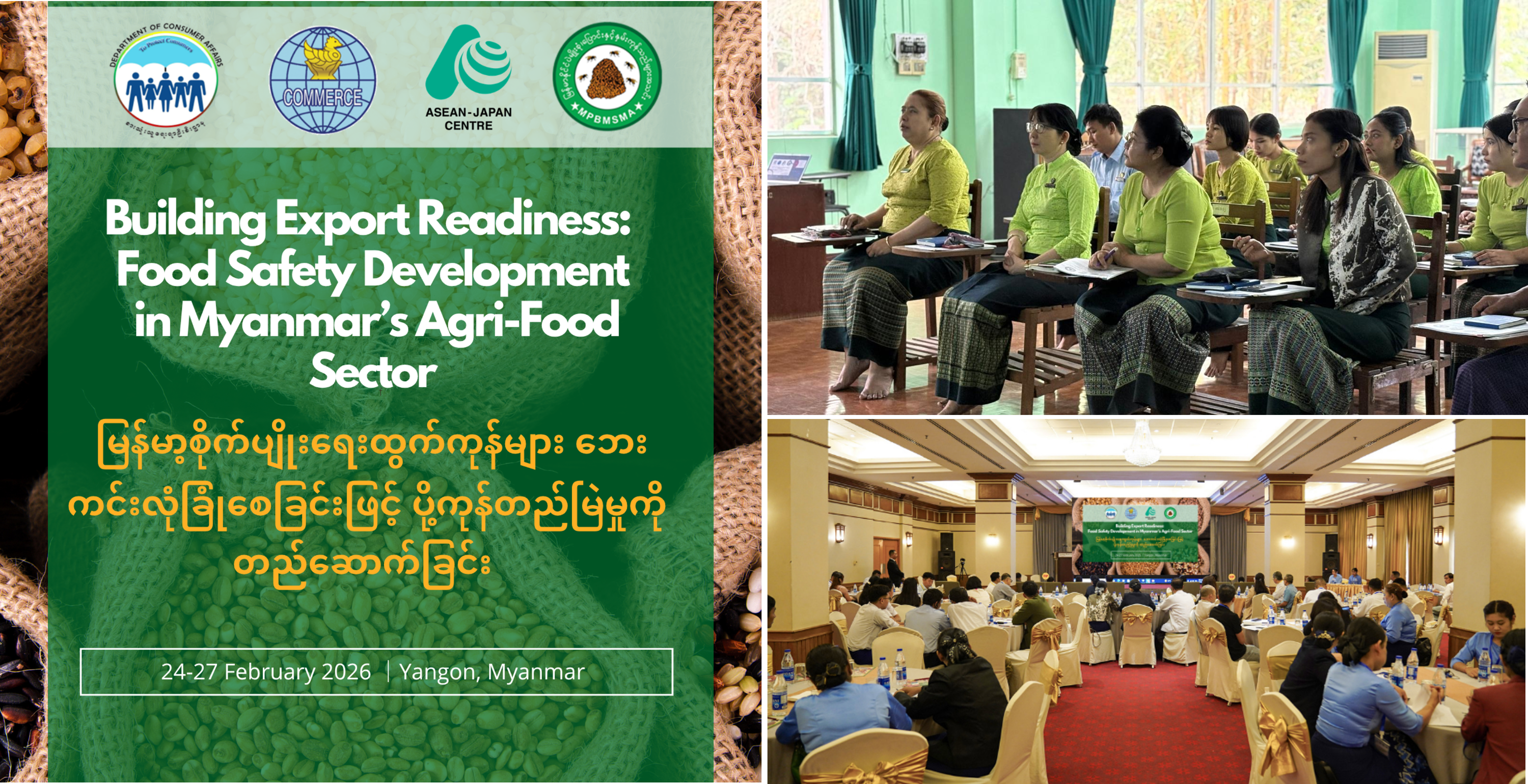
Executive Summary
From 24 to 27 February 2026, the ASEAN‑Japan Centre (AJC), in collaboration with Myanmar’s Ministry of Commerce, implemented a two‑part initiative in Yangon to strengthen food‑safety systems and export readiness in Myanmar’s agri‑food sector.
The programme comprised:
- A three‑day laboratory capacity‑building training on pesticide residue testing for 20 laboratory technicians from the Commodity Testing and Quality Management Center (CTQM) and the private sector; and
- A one‑day Integrated Multi‑Stakeholder Workshop on Food Safety and Export Readiness, convening 88 participants from government agencies, laboratories, farmer groups, traders, exporters, and related associations.
The initiative aimed to strengthen pesticide testing capacity, deepen understanding of ASEAN Good Agricultural Practices (ASEAN GAP) and Japan’s Maximum Residue Limit (MRL) requirements, and foster dialogue across the agricultural value chain to reduce export risks.
Post‑event feedback confirmed high relevance, improved understanding of food‑safety and export challenges, and strong demand for continued and expanded engagement.
Activities and Highlights
1. Laboratory Capacity‑Building: Strengthening Pesticide Residue Testing (24–26 February 2026)
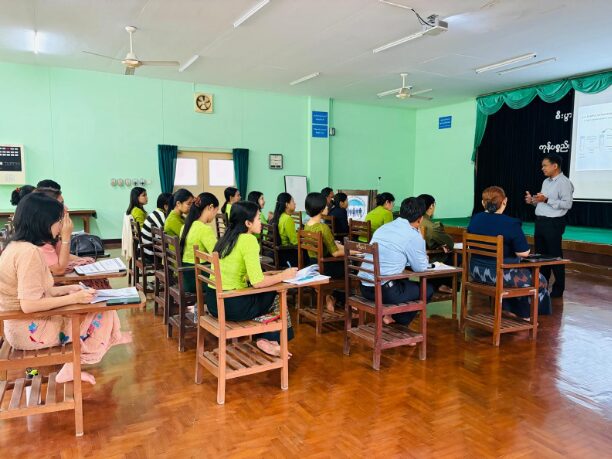
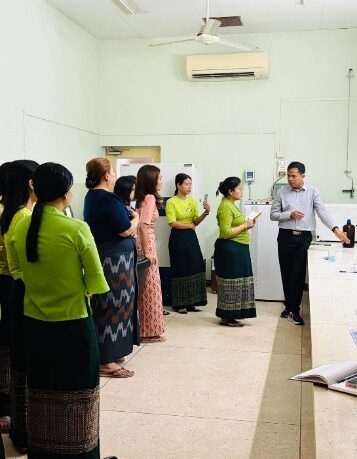
Dr. Sereyvath Yoeun of the Institute of Technology of Cambodia delivered a three‑day technical training for 20 laboratory technicians from CTQM and the private sector. The programme combined theory with hands‑on practice in sample preparation, chromatographic analysis, method validation, and interpretation of results against international MRL standards.
Post‑training evaluations indicated very high satisfaction and relevance, with most participants reporting significant improvements in their understanding of pesticide residues and food‑safety requirements. Participants emphasized the role of laboratories in preventing export risks:
“Laboratories help farmers move from ‘trial‑and‑error’ pesticide use to evidence‑based decisions. They act as a quality gatekeeper before products reach international markets.”
— Laboratory trainee, CTQM

2. Integrated Multi‑Stakeholder Workshop on Food Safety and Export Readiness (27 February 2026)
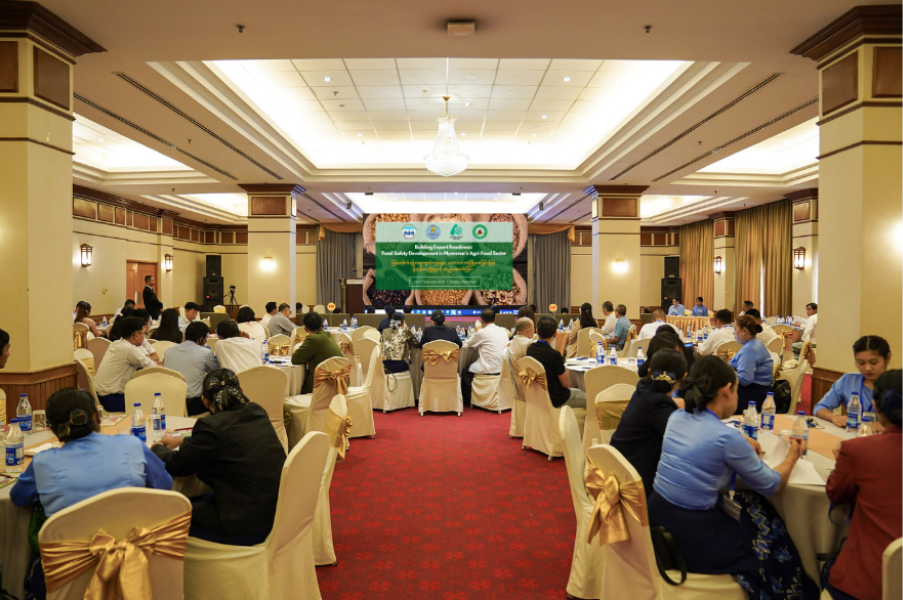
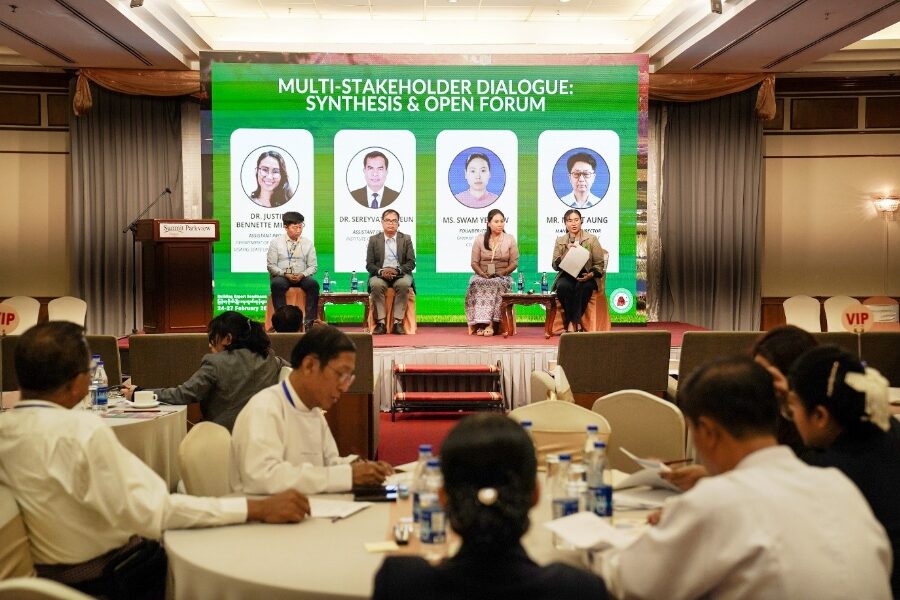
The one‑day workshop convened 88 stakeholders across government, laboratories, producers, traders, exporters, and associations. The event was officially opened by H.E. U Kyaw Tun (Embassy of Myanmar in Tokyo), H.E. U Khin Maung Hlaing (Department of Consumer Affairs, Ministry of Commerce)), and Ms. Ei Ei Khin (ASEAN‑Japan Centre).
In his opening remarks, H.E. U Khin Maung Hlaing highlighted the trade implications of food safety:
“Food safety is not just a technical checklist; it is Myanmar’s passport to high‑value markets.”
Through technical presentations, value‑chain mapping, and a moderated panel discussion, participants examined the root causes of food‑safety violations and explored practical responses related to pesticide management, GAP, hygiene, post‑harvest handling, and laboratory testing.
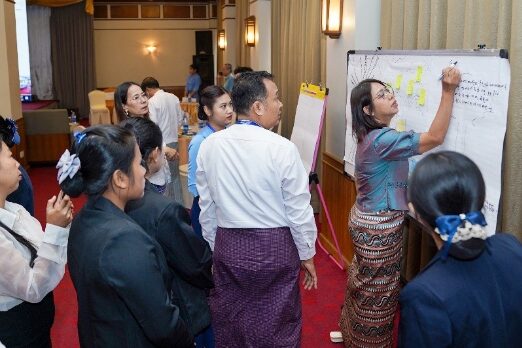
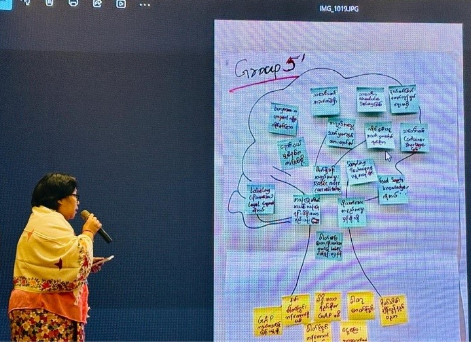
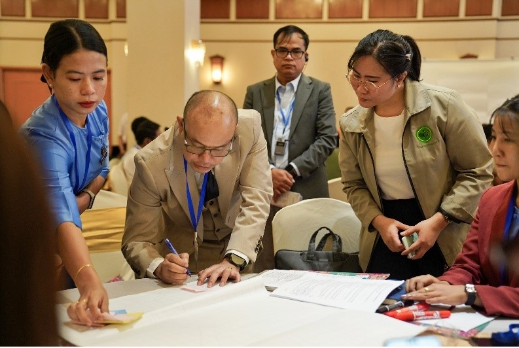
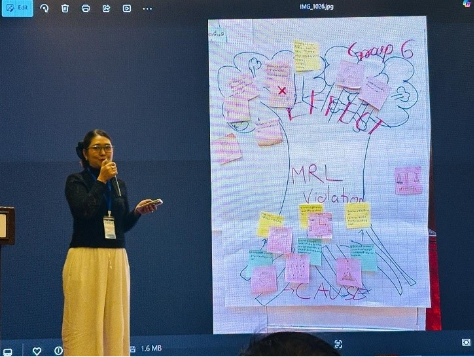
Panelists from government, laboratories, producers, and the private sector highlighted gaps in awareness, misaligned incentives, and uneven capacity across the value chain, noting that regulatory restrictions alone are insufficient. The discussion underscored the importance of practical alternatives, laboratory support, and coordinated action to strengthen export readiness.
Post event survey feedback from 20 respondents confirmed the workshop was useful, relevant, and timely, improving understanding of:
- Food safety and pesticide residue risks,
- international market requirements and MRL compliance, and
- how on-farm practices, postharvest handling, laboratory testing, and export outcomes are interconnected.
Participants valued the multistakeholder format and recommended broader private sector participation and continued dialogue in future activities.
Key Takeaways
- To enhance export readiness, food safety management must be addressed end-to-end, ensuring on-farm practices, postharvest handling, laboratory testing, and certification credibility work together to meet international market requirements.
- Food safety and MRL rejections largely stem from systemic gaps rather than isolated technical failures, including uneven awareness of pesticide management, weak coordination between producers and laboratories, inconsistent postharvest practices, and misaligned incentives that limit sustained adoption of Good Agricultural Practices (GAP).
- Laboratory capacity is a backbone of supply chain food safety management, providing the evidence needed to align farm practices, postharvest processes, and export requirements. Further strengthening, particularly in human resources and technical capability, is essential to achieve international recognition and enable coordinated risk management across the value chain.
- The workshop provided a platform where farmers and other stakeholders were able to share concerns and perspectives directly, allowing on the ground challenges to be raised and discussed alongside policy, laboratory, and market considerations. This highlighted the importance of inclusive, multistakeholder dialogue in strengthening understanding and alignment across the agricultural value chain.
Way Forward
To advance export readiness and reduce food safety risks, future efforts should focus on coordinated, end-to-end development across the agricultural value chain.
Building on the training, dialogue, and participant feedback, recommended priorities include:
- Integrated food safety management, linking pesticide use, postharvest handling, laboratory testing, and certification;
- Continued laboratory strengthening, including skills development, technology upgrades, and steps toward international recognition;
- Expanded farmer-level and township-level outreach, with practical guidance on pesticide management, preharvest intervals, hygiene, drying, storage, and transport;
- Support for wider GAP adoption, complemented by incentives, access to finance, and clearer market rewards; and
- Sustained multistakeholder dialogue platforms, enabling policies, practices, and capacities to evolve simultaneously rather than in isolation.
Through coordinated action across these areas, Myanmar can progress toward more reliable, food-safe, and competitive agrifood export value chains.


