

Overview
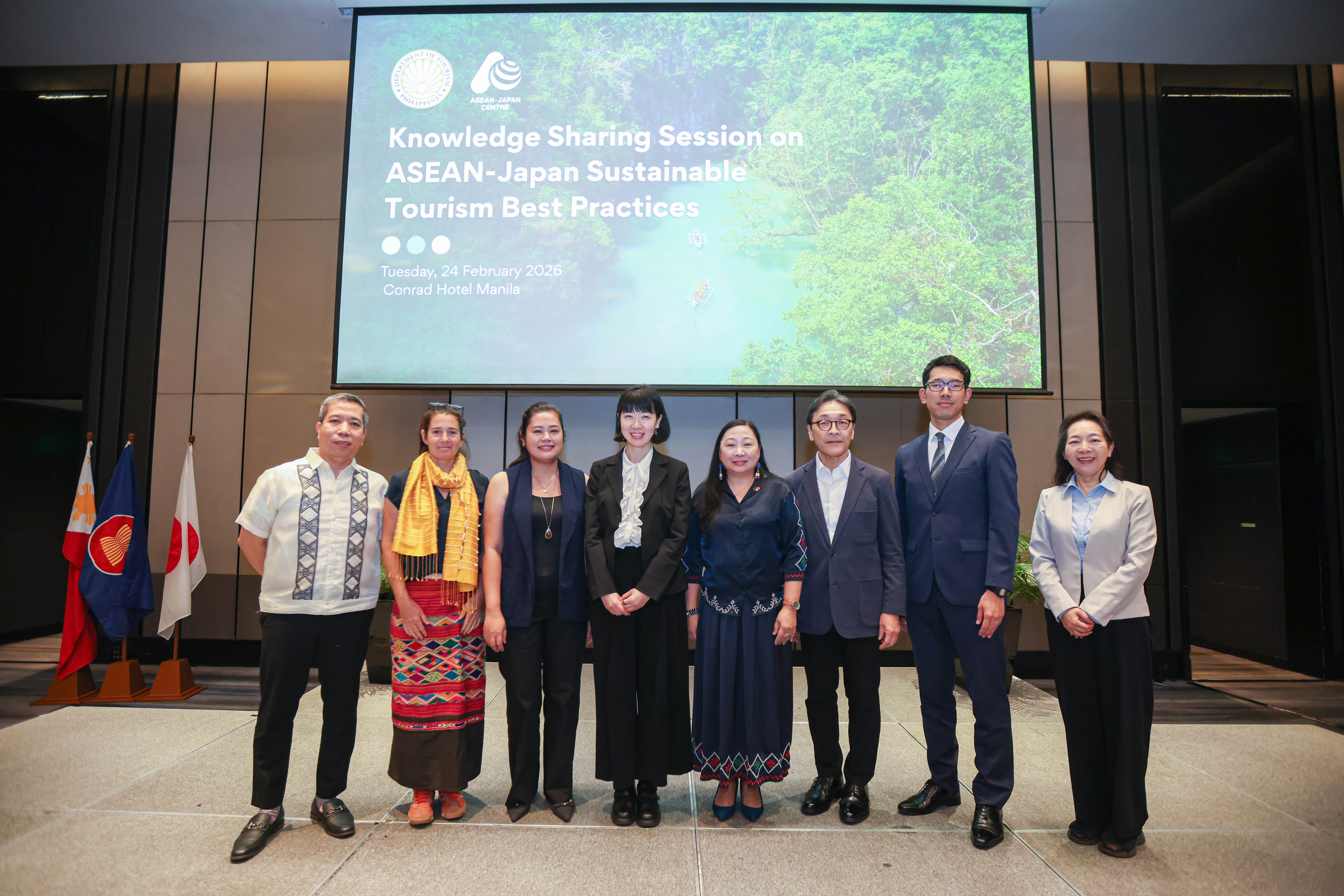
The ASEAN-Japan Sustainable Tourism Best Practices Knowledge Sharing Session was held on 24 February 2026 in Manila, the Philippines. The seminar was co-organized by the ASEAN-Japan Centre and the Department of Tourism Philippines, with support from the Japan Tourism Agency. A total of 73 participants from the tourism industry, academia, and related associations attended the session.
The seminar served as a key follow-up initiative to the ASEAN-Japan Tourism Ministers’ Special Dialogue held in Tokyo in 2023. As part of this initiative, the ASEAN-Japan Centre developed a dedicated web platform showcasing sustainable tourism best practices from Japan and ASEAN Member States. The Manila session aimed to further disseminate knowledge, encourage the adoption of practical models, and strengthen regional cooperation toward more sustainable and resilient tourism development.
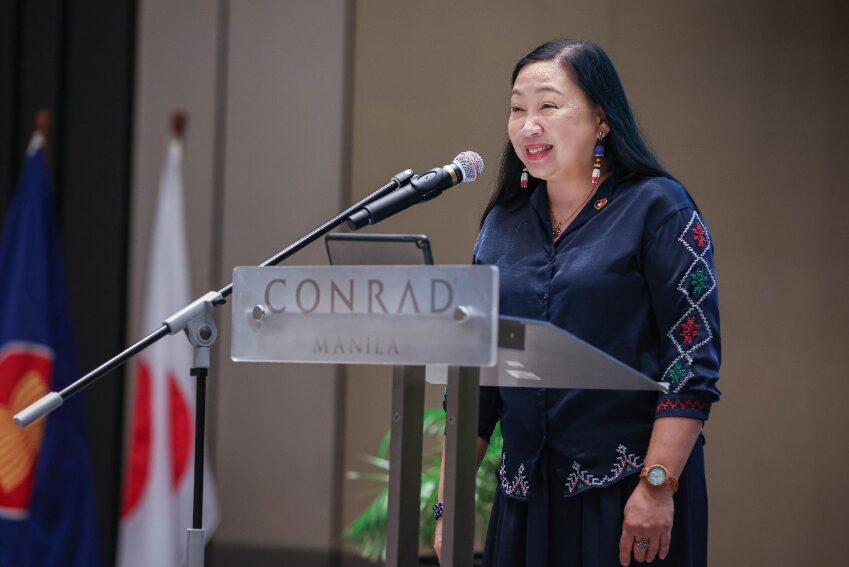
The seminar opened with welcoming remarks by Ms. Verna C. Buensuceso, Undersecretary for Tourism Development Planning of the Philippine Department of Tourism. She underscored the vital role of sustainable tourism in generating employment, supporting micro, small and medium enterprises (MSMEs), and promoting balanced regional development. She also emphasized the importance of responsible investment, environmental sustainability, and collaboration among government agencies and international partners to translate national development goals into tangible community benefits.
Mr. Takeshi Nakano, Vice Commissioner of the Japan Tourism Agency, reaffirmed Japan’s commitment to advancing sustainable tourism cooperation with ASEAN.
The keynote address was delivered by Ms. Junko Yoshida of the UN Tourism Regional Support Office for Asia and the Pacific, who highlighted global trends and policy directions in sustainable tourism development and emphasized the importance of aligning regional efforts with international frameworks.
Mr. Alex M. Macatuno, OIC-Director of the Office of Tourism Development Planning, Research, and Information Management of the Philippine Department of Tourism, presented the newly launched ASEAN Tourism Sectoral Plan 2026–2030, outlining strategic priorities for building a more resilient, inclusive, and sustainable tourism sector in the region.
The panel discussion featured practical case studies from Japan and ASEAN:
- Mr. Kenji Ichiman of the Toyooka Tourism DX Promotion Council (Japan) introduced a digital management system that consolidates booking data from individual accommodation providers. The system enhances operational efficiency, reduces labor burdens, and strengthens the sustainability of the community’s tourism infrastructure while creating shared value for stakeholders.
- Ms. Marianne Amores, Founder of The Regenesis Project (Philippines), presented a regenerative tourism approach aimed at “healing nature through people, and people through nature.” Through restoration camping and immersive tourism experiences, degraded areas are transformed into thriving ecosystems while fostering environmental awareness and personal growth.
- Ms. Joanna Smith, Co-Founder of Ock Pop Tok (Lao PDR), highlighted the importance of community-centric development, cultural preservation, environmental stewardship, fair trade practices, and capacity building to ensure that tourism contributes to long-term socio-economic vitality.

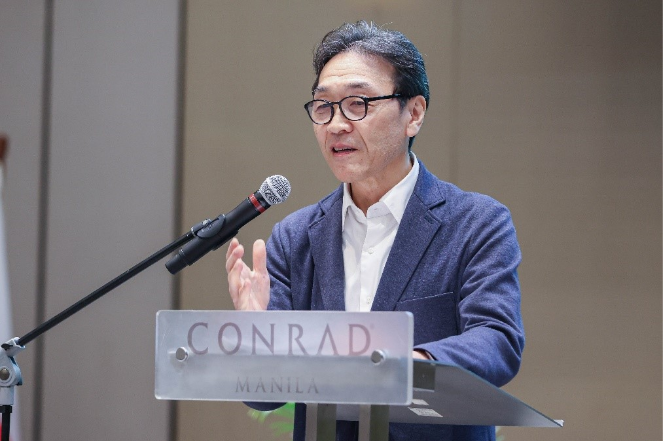
The seminar concluded with closing remarks by Dr. Kunihiko Hirabayashi, Secretary-General of the ASEAN-Japan Centre, who emphasized that strong local leadership and personal commitment are key drivers in advancing sustainable tourism initiatives. He encouraged continued collaboration between ASEAN and Japan to translate shared knowledge into concrete action.
Key Takeaways
- Sustainable tourism contributes to employment generation, MSME development, and balanced regional growth when aligned with national and community priorities.
- Digital innovation can enhance efficiency and resilience in local tourism ecosystems.
- Regenerative tourism models demonstrate how tourism can actively restore natural environments and empower communities.
- Community engagement, cultural preservation, and fair practices are essential for long-term sustainability.
- Continued ASEAN-Japan cooperation remains crucial to advancing sustainable tourism across the region.


