13 December 2025 | Katsurahama beach in Akita | 28 participants
Reported by Hajime Kaneto, Hazuki Moriyama, Sakura Suzuki, Noa Tatsuno
This activity was a joint beach clean-up and exchange program conducted simultaneously in Akita and on Yuge Island in Ehime Prefecture, combining hands-on environmental action with learning and cross-regional interaction. Through coastal clean-up activities, a mini lecture on marine debris, and an online exchange session, participants from different generations and regions deepened their understanding of marine pollution while building connections around a shared commitment to protecting the ocean.
Key takeaways
- Direct Environmental Impact: Participants actively collected plastic waste along the shoreline, contributing to the reduction of marine litter and the protection of coastal ecosystems.
- Deepened Environmental Awareness and Community Connection: Hands-on clean-up activities strengthened participants’ emotional connection to nature and their local communities, while enhancing awareness of marine pollution and broader environmental challenges.
- Shared Responsibility and Cross-Regional Solidarity: By conducting clean-up actions simultaneously across geographically distant locations, the initiative fostered a sense of collective responsibility and solidarity in addressing marine debris beyond individual communities.
Main highlights
Date: 13 December 2025
Venue or location:
- Akita: Katsurahama beach in Akita
- Ehime: local beach in front of Kamijima Choritsu Yuge Junior High School, Yuge Island, Ehime
Co-organizers: Minna-no-osoujima organizing committee, Yuge junior high school
Participants:
- Akita: Glocal Ocean Reformers, AIU students, Akita Commertial High School(one teacher and students), local residents
- Ehime: Minna-no-osoujima organizing committee, National Institute of Technology, Yuge College(one teacher and students) local residents
No. of participants: 28
Activities implemented
Opening Remarks
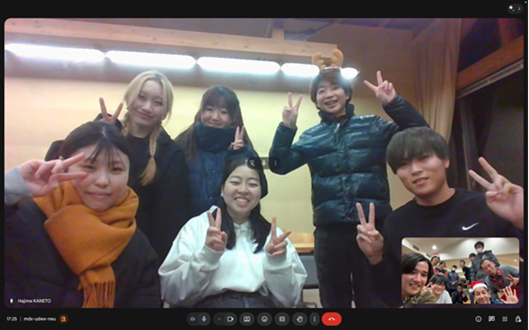
As the event was conducted in a hybrid manner, members of the organizing teams in both Akita and Ehime delivered the opening remarks via Zoom. They outlined the day’s schedule and reviewed key safety considerations to ensure smooth and safe participation.
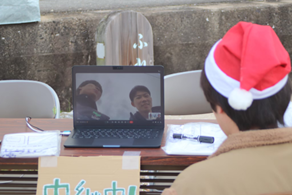
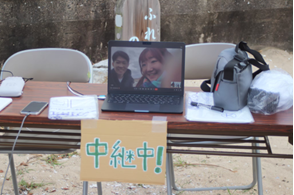
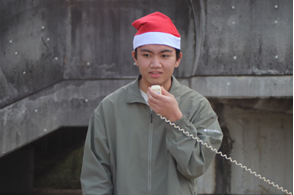
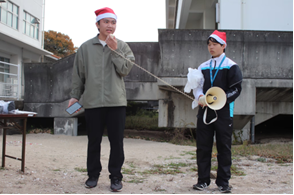
Figure 2 Opening remarks delivered by both organizing committee in Akita and Ehime
Mini Lecture by Instructor Mori
Participants attended a short lecture on marine debris delivered by Instructor Mori from the National Institute of Technology, Yuge College. The session covered the significance of beach clean-up activities and the unique characteristics of marine litter in Japan’s Seto Inland Sea. The lecture provided essential context and deepened participants’ understanding of marine environmental issues.
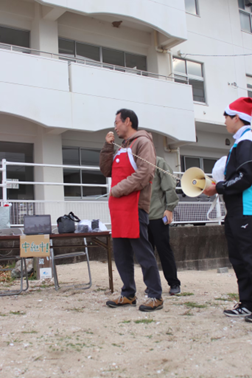
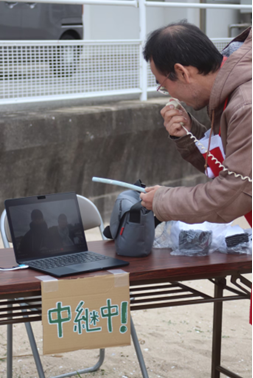
Figure 3 Short lecture by Instructor Mori, National Institute of Technology, Yuge College
Team Assignments
Participants were divided into small groups of approximately five to six people to carry out the clean-up activities efficiently and safely.
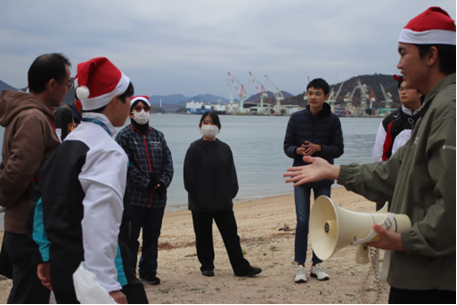
Trash Collection
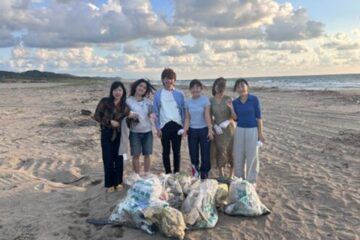
Each group conducted a 15-minute beach clean-up. However, due to extremely cold and windy conditions caused by a snowstorm along the Akita coastline, several additional outdoor activities originally planned were cancelled. Following the clean-up, participants disbanded and returned to the university.
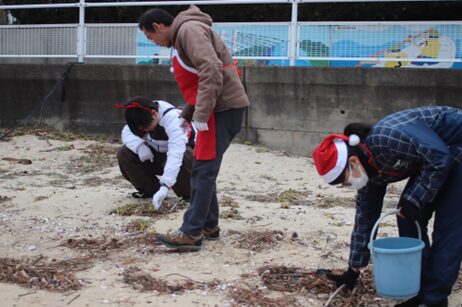
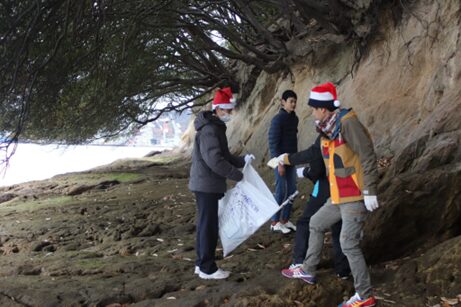
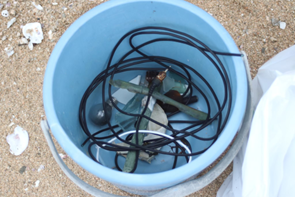
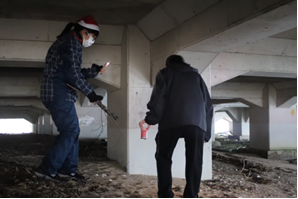
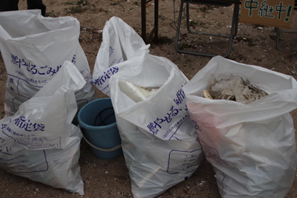
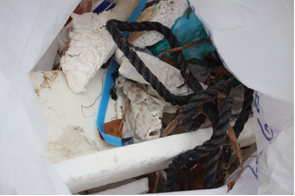
Figure 5 Beach Clean-up in Yuge Island, Ehime
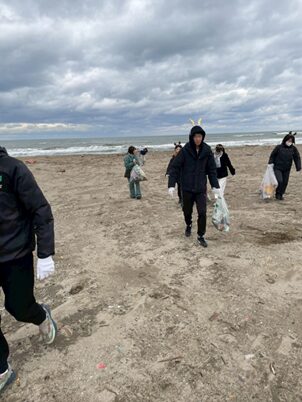
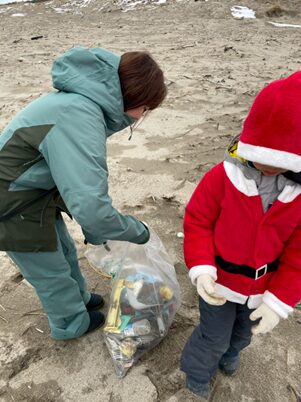
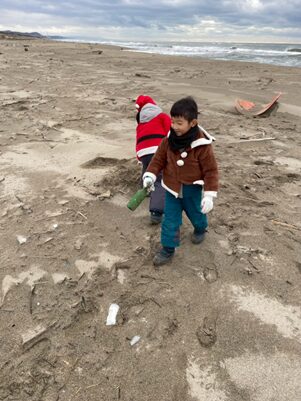
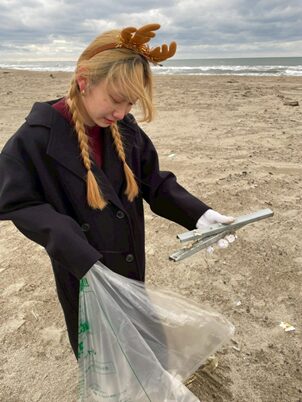
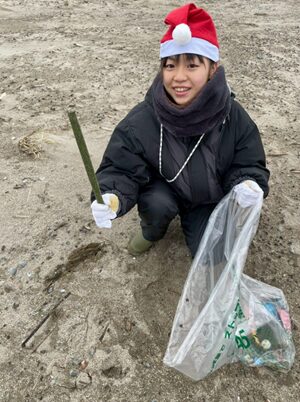
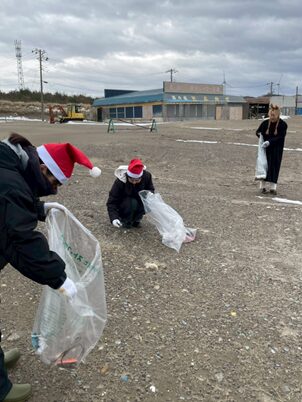
Figure 6 Beach Clean-up at Katsurahama beach, Akita
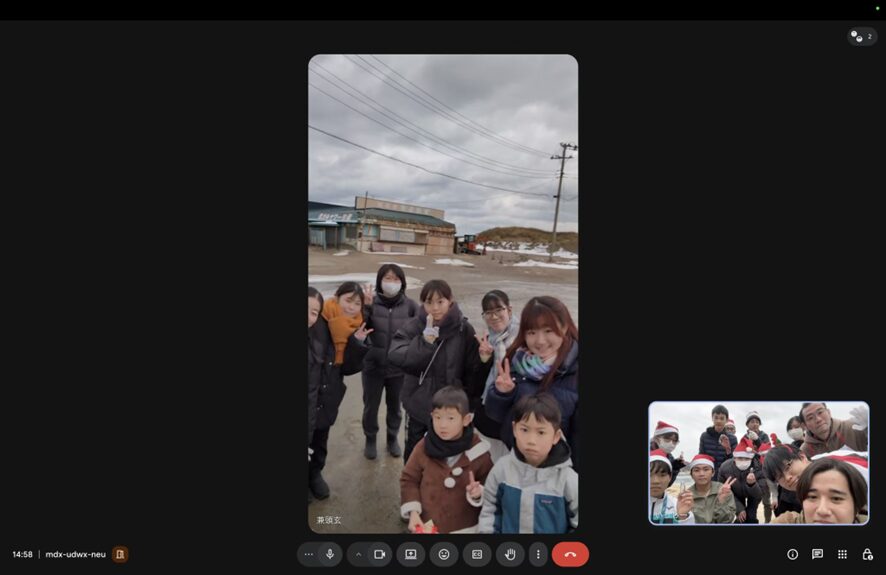
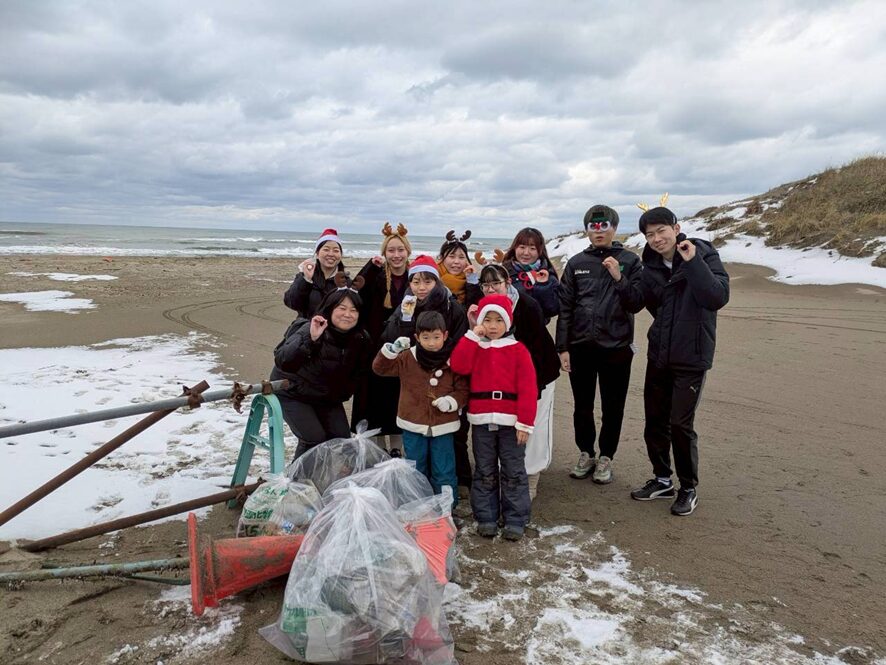
Figure 7 Group photo from both location
Treasure Hunt Activity
Participants were encouraged to walk along the beach and collect visually appealing natural objects they encountered. This activity was designed to promote enjoyment of the coastal environment and foster a deeper emotional connection with nature.
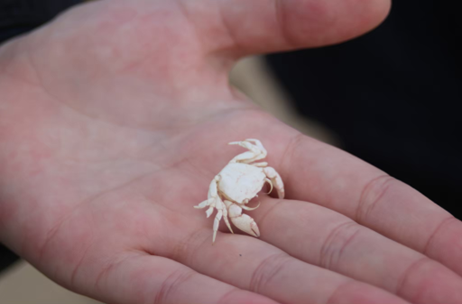
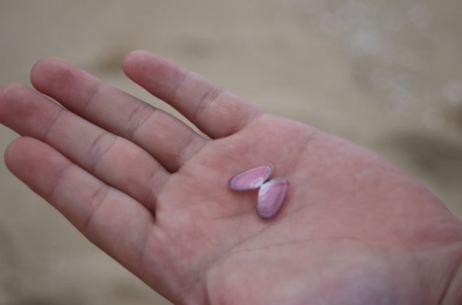
Figure 8 Natural treasure found at the beach
Microplastics Collection Activity
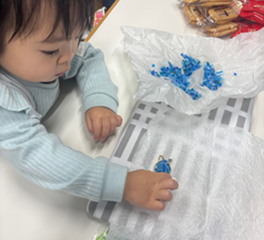
Participants collected microplastics from the beach and placed them into small bottles. This hands-on activity highlighted the prevalence of microplastics and illustrated the challenges associated with their removal from the natural environment.
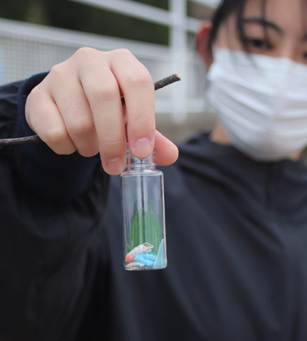
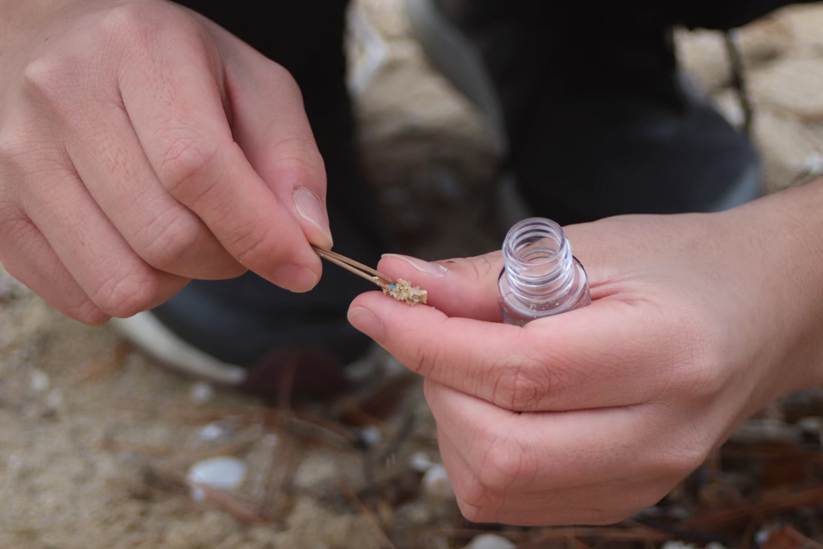
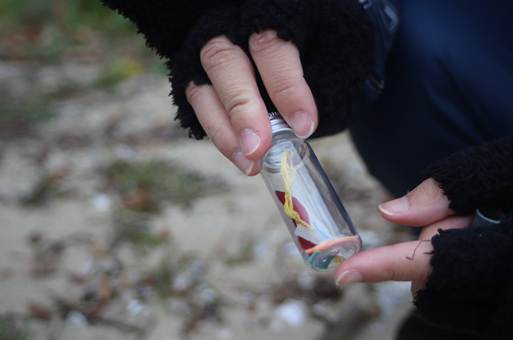
Figure 9 Microplastics found at the beach
Reflection Session
Instructor Mori facilitated a reflection session, inviting participants to share observations about the types of waste most frequently found and the aspects of the activity that left the strongest impressions. The session concluded with encouragement for participants to adopt waste-reduction practices in their daily lives.
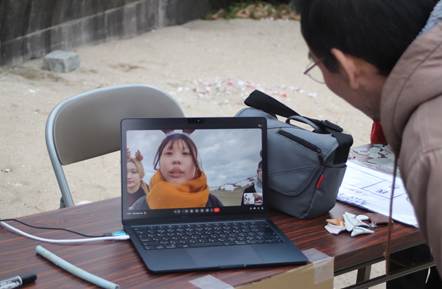
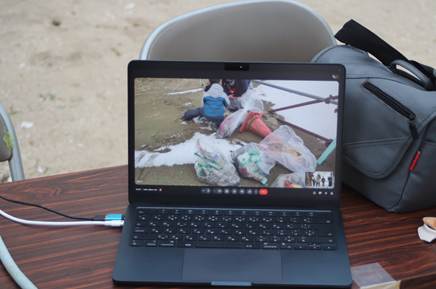
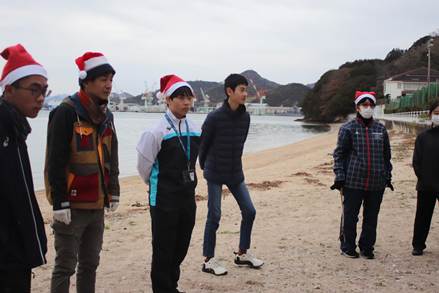
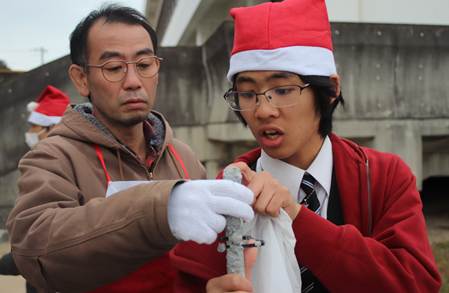
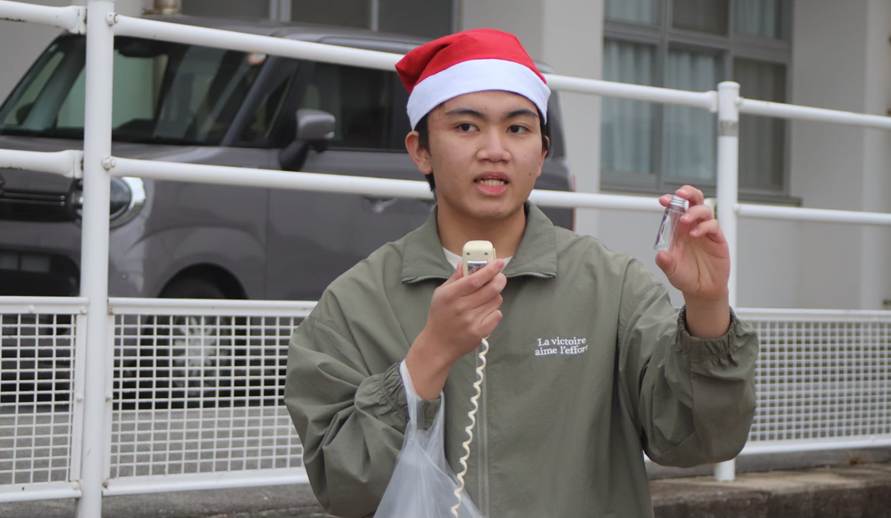
Figure 10 Reflection session done by the students
Exchange Session
Following the clean-up, participants engaged in an online exchange session. At the Akita site, university students gathered on campus to join the session, while participants at the Yuge site convened in a classroom at Yuge Junior High School. This session provided a platform for interaction and mutual learning.
Quiz Game
The organizing team prepared interactive quizzes in advance. Participants first answered questions related to marine litter, followed by quizzes they created about their respective hometowns. Working in teams, participants discussed the questions and strengthened interpersonal connections.
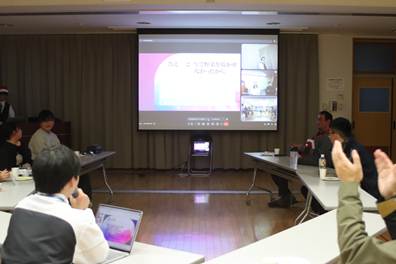
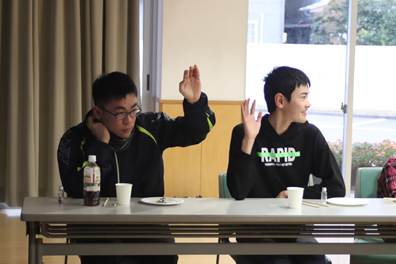
Figure 11 Participants answering the quizzes
Sharing Session
In the final session, participants engaged in open discussions, asking questions about each other’s regions, which are geographically distant within Japan. This exchange reinforced a sense of connection and shared purpose in addressing marine environmental challenges across regions.
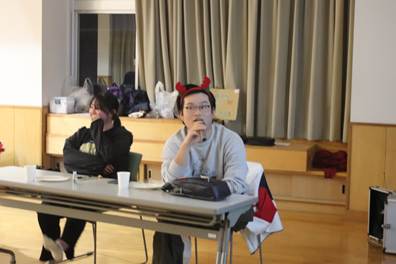
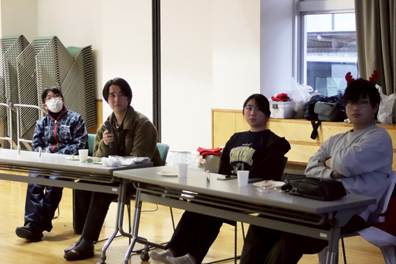
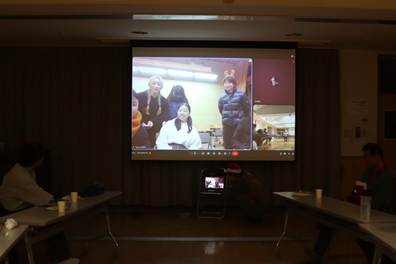
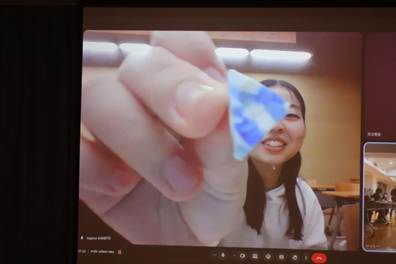
Figure 12 Sharing sessions between the two schools
Outcome
The beach clean-up activities were successfully carried out simultaneously in Akita and on Yuge Island, engaging participants across different regions of Japan. In Akita, the activity involved four organizers, three university students, one teacher, and three students from a local high school, fostering intergenerational collaboration and learning. On Yuge Island in Ehime Prefecture, fifteen junior-high and high-school students participated actively, demonstrating strong youth engagement in marine environmental action.
Through the hands-on clean-up activities, participants collectively removed a significant amount of marine litter. In Akita, six 45-liter bags of trash were collected along the coastline, while approximately 7.7 kilograms of waste were recovered on Yuge Island. Combined with the mini lecture, microplastics collection, and reflection sessions, the clean-up not only reduced visible marine debris but also strengthened participants’ understanding of marine pollution and their role in addressing it within their local communities.
Feedback
Participants consistently shared strong impressions from the beach clean-up experience. Many expressed surprise, commenting, “I didn’t realize there was so much trash”. While most had previously learned about marine debris through school lessons or media coverage, directly seeing and collecting the waste made the severity of the problem tangible and deeply impactful.
At both the Akita and Yuge sites, participants enthusiastically engaged with peers of the same generation living in very different environments. The online exchange fostered curiosity and connection, with several university students expressing interest in visiting Ehime Prefecture in the future. United by a shared commitment to protecting the ocean, participants felt that the activity successfully connected two geographically distant regions around a common purpose.
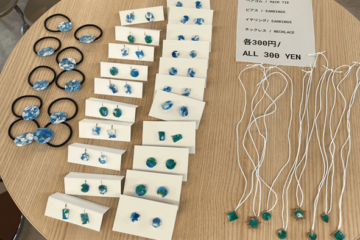
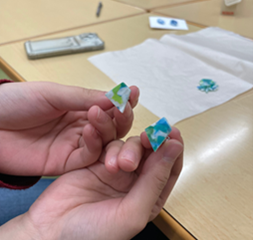
The teacher and students from Akita Commercial High School noted that they regularly engage in volunteer activities through their student council and expressed strong interest in joining similar events in the future. They also showed enthusiasm for potential follow-up initiatives, such as collaborative accessory-making activities using recycled materials.
Public outreach also generated positive responses. While promoting the event at a local market, the organizers encountered a family who decided to join spontaneously, even bringing Christmas costumes. The participation of children created a lively and welcoming atmosphere, allowing university students to enjoy the clean-up in a more dynamic setting. This experience highlighted the potential of direct, on-site outreach to broaden community participation, while also revealing the need for more proactive publicity to further increase turnout in future activities.
However, the extremely cold weather conditions at the Akita site limited participants’ ability to fully enjoy all planned activities. As a result, the organizers recognized the importance of carefully considering seasonal timing in future event planning to ensure both safety and participant comfort.