Reported by Ni Putu Mas Swandewi and Luh Anggreni
Key takeaways
- Enhanced Awareness of Marine Plastic Pollution: Through the visual documentation of beach clean-up activities, both on-site participants and online audiences gained a clearer understanding of how plastic waste accumulates along coastlines, pollutes marine ecosystems, and poses serious threats to marine life.
- Improved Understanding of the Land–Sea Connection: The campaign strengthened awareness of the direct link between land-based activities and ocean health, highlighting how mismanaged waste from markets, households, and rivers ultimately flows into the sea and degrades coastal environments.
- Promotion of Practical Waste Reduction Actions: Participants were introduced to practical and achievable solutions to reduce single-use plastic in daily life, empowering individuals to take preventive actions that help limit further plastic pollution entering marine and coastal ecosystems.
Main highlights
Campaign period: 1 September – 31 December 2025
Platform used: Instagram
Number of followers: 875 followers
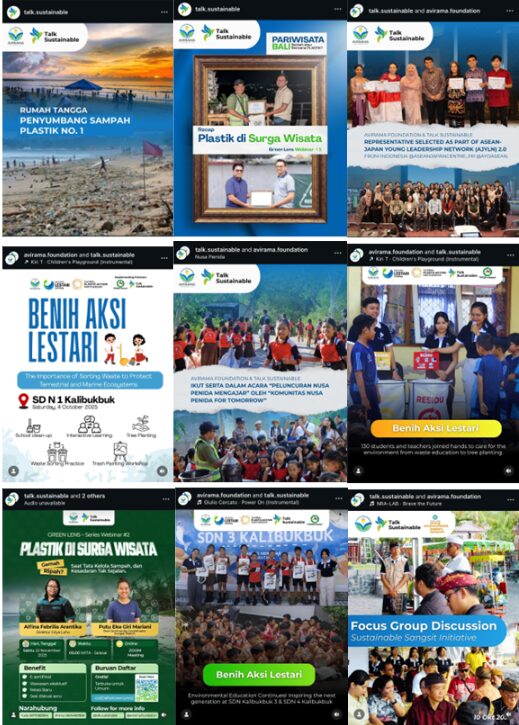
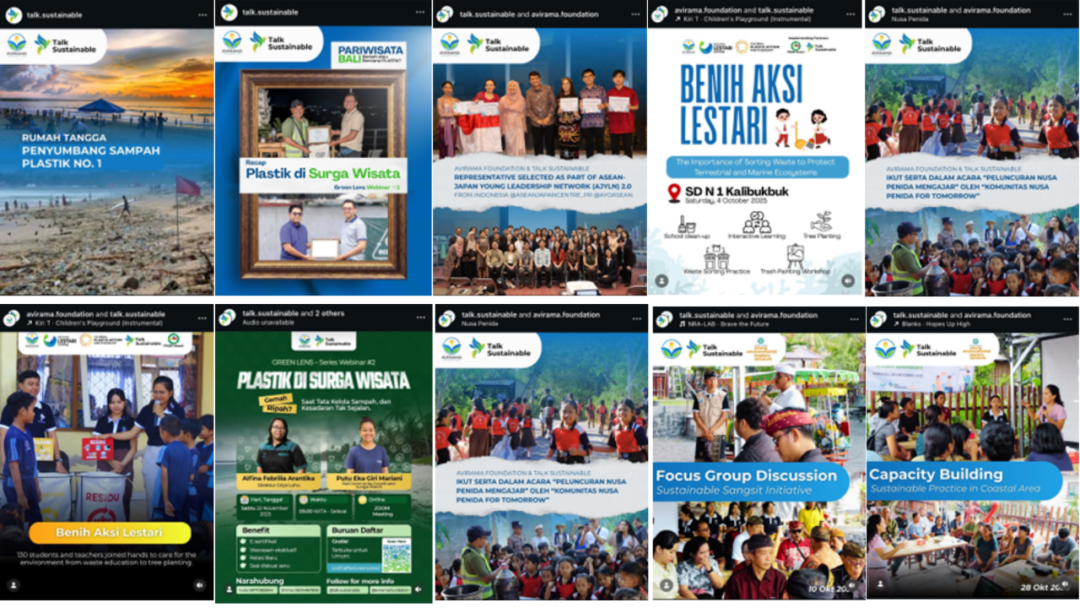
Total Instagram content: 18 posts (3 Videos and 15 Photo/Poster)
Total Instagram views: 35,100 (100% organic, no paid ads)
Activities implemented
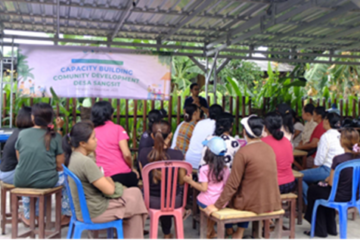
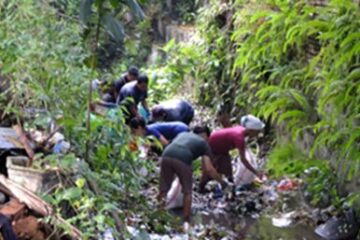
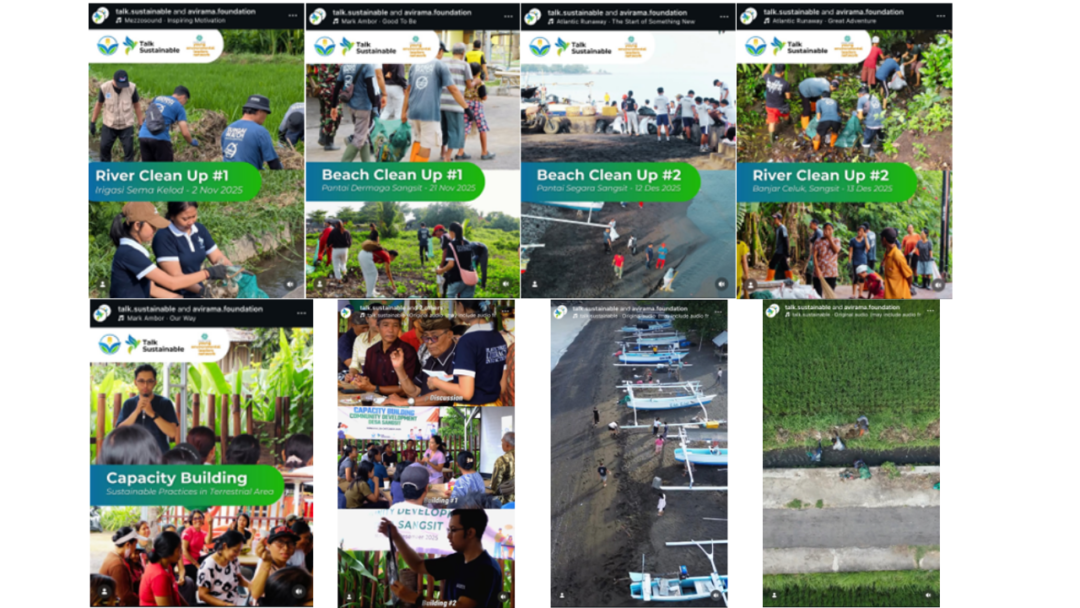
The team implemented a series of community development activities and documented each initiative in a systematic and transparent manner. Footage from beach and river clean-up activities was carefully edited and disseminated to highlight real on-the-ground conditions, illustrating the scale of plastic pollution in aquatic environments and its impacts on marine and freshwater ecosystems. In parallel, documentation from Focus Group Discussions (FGDs) and capacity-building sessions was shared to showcase collaborative efforts in formulating strategic action plans for plastic reduction and improved waste management in both coastal and inland areas.
Educational outreach was further strengthened through webinars and school-based socialization programs that raised awareness of the dangers posed by marine plastic debris. As part of the project’s digital communication strategy, a visual campaign on Instagram encouraged audiences to practice waste segregation at the source as a concrete preventive measure. Through the dissemination of accessible, evidence-based, and engaging content, the campaign not only contributed to the advancement of SDG 14 (Life Below Water) but also successfully fostered public engagement and motivated behavioral change toward more responsible plastic consumption and waste management practices.
Outcome
The campaign successfully established a strong digital presence for Talk Sustainable as a transparent, credible, and actively engaged initiative in environmental protection. Public engagement increased significantly, as reflected in active discussions, comments, and the sharing of campaign content across digital platforms. Overall, the campaign contributed to raising broad public awareness of the urgency of addressing plastic waste pollution, particularly in marine environments. It reinforced the message that effective environmental protection begins with consistent, everyday practices at the household level, while also underscoring the importance of collaboration between communities and government institutions to ensure the successful implementation of plastic waste reduction policies and regulations.