Reported by Hazuki Moriyama, Sakura Suzuki, Hajime Kaneto, Noa Tatsuno
28 November 2025 | Akita International University | 7 participants
Key takeaways
- Active and In-Depth Dialogue on Marine Plastic Issues: Participants engaged in thoughtful and dynamic discussions on marine plastic pollution in Akita and globally. The session explored key stakeholders involved in addressing plastic issues and examined how individual daily choices can collectively contribute to meaningful environmental impact. Insights from these discussions are reflected in the outcomes presented below.
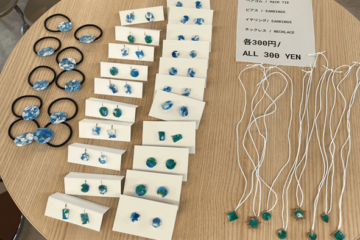
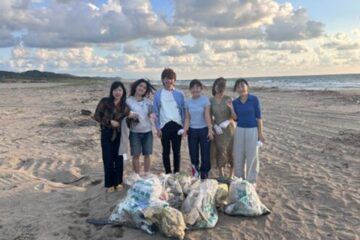
- Hands-On Accessory Making Using Locally Collected Marine Plastic: Participants took part in a practical upcycling activity, creating accessories from plastic bottle caps previously collected during a beach cleanup at Katsurahama Beach in Akita. Guided by facilitators, participants followed established techniques used in past activities to transform marine plastic waste into earrings, reinforcing the concept of turning waste into valuable products.
- Strengthened Commitment to Future Action and Engagement: Feedback collected through post-workshop surveys indicates a strong likelihood that participants will take concrete actions to help address plastic pollution in their daily lives. The reflections shared during discussions and in the feedback forms also suggest sustained interest in the project’s mission, with many participants expressing motivation to engage in future events and activities.
Main highlights
Date: 28 November 2025 at 7:30 – 9:00 PM (Japan Time)
Venue or location: a classroom in Akita International University (AIU)
Participants: AIU students
No. of participants: 7 participants
Activities implemented
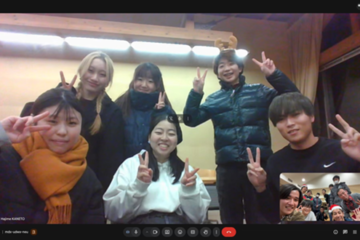
The activity was conducted in the form of a participatory workshop comprising a discussion session followed by a hands-on accessory-making session. In the first half of the workshop, facilitators introduced the current state of marine plastic pollution in Akita, shared local ocean-related challenges, and presented an overview of the project’s activities. This was followed by an interactive discussion guided by two key questions: (1) who plays the most critical role in addressing plastic pollution—consumers, corporations, or governments—and why; and (2) to what extent individual actions, such as using reusable bottles or bags, can meaningfully contribute to solving marine plastic pollution.
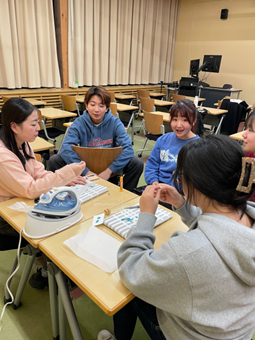
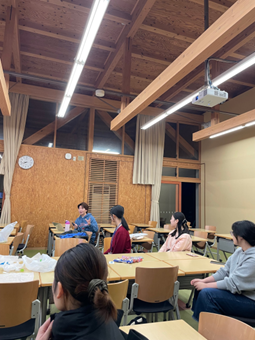
Figure 1 Discussion session with the students
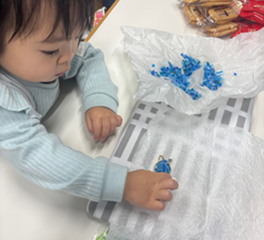
In the latter half of the workshop, participants engaged in a practical upcycling activity, collaboratively creating earrings from recycled plastic materials. This hands-on session reinforced the workshop’s core message by translating discussion and awareness into tangible action.
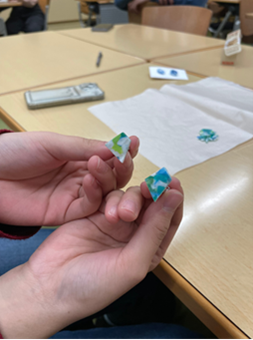
Figure 2 Accessories making from plastic waste workshop
Outcome
In the first discussion, participants largely agreed that governments and corporations play primary roles in addressing plastic pollution. Examples raised included the limited availability of public trash bins in Japan, which was viewed as a governmental responsibility, and excessive plastic packaging by corporations. The discussion concluded that stronger and more proactive measures by both governments and businesses are essential for achieving meaningful reductions in plastic pollution.
The second discussion expanded beyond the initial question on personal actions, particularly focusing on the role of plastic bag regulations. Participants noted that even when individual awareness or intent is limited, policy-driven restrictions—such as reducing plastic bag usage—can lead to measurable decreases in plastic consumption over time. The group further reflected that insufficient action often stems from limited understanding of plastic pollution issues, and that policies or interventions, especially those involving economic or structural incentives, can be more effective when implemented ahead of changes in public awareness. These approaches were seen as important catalysts for long-term behavioral change.
Feedback
Two participants completed the post-workshop feedback form. Both reported an increased level of interest in environmental issues and marine plastic pollution compared to before the workshop. While they indicated that they had previously taken little or no action on these issues, they expressed a clear willingness to adopt more environmentally responsible behaviours following the workshop. Specifically, participants noted intentions to bring reusable bottles and shopping bags to reduce reliance on disposable plastics, as well as to sort household waste more carefully to support recycling efforts.
Overall, participants shared positive impressions of the workshop, suggesting strong engagement and satisfaction. This positive experience indicates a high likelihood of their continued interest and participation in future activities.