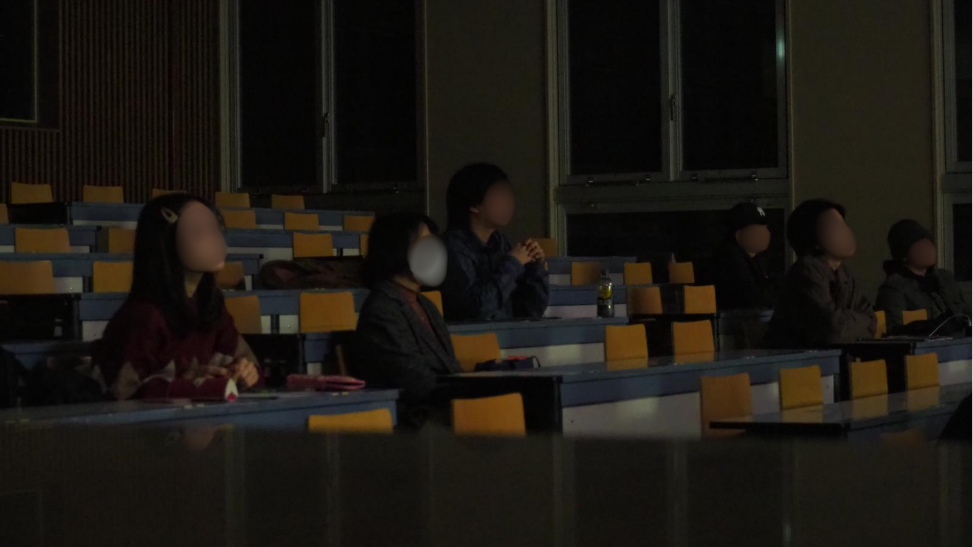
The ASEAN-Japan Centre (AJC) held a screening session of the ASEAN-Japan New Generation Short Film Award 2025 and 2024 at Tokyo University of Foreign Studies (TUFS) on 9 January. The event provided students with an opportunity to engage with award-winning short films created by young filmmakers from the ASEAN Member States. Approximately 25 students and faculty members participated, most of whom specialize in the languages and cultures of the ASEAN Member States.
Overview
The session introduced the objectives of the Award and screened selected winning films, followed by reflection and discussion. The event aimed to deepen understanding of ASEAN’s diversity and to encourage dialogue by showcasing how young people across ASEAN, peers of the participating students, envision their future.
ASEAN is often described as a regional community, yet it is characterized by remarkable diversity in religion, language, ethnicity, and historical experience. This diversity was reflected in the films, as young filmmakers interpreted shared themes through distinct cultural and social perspectives.
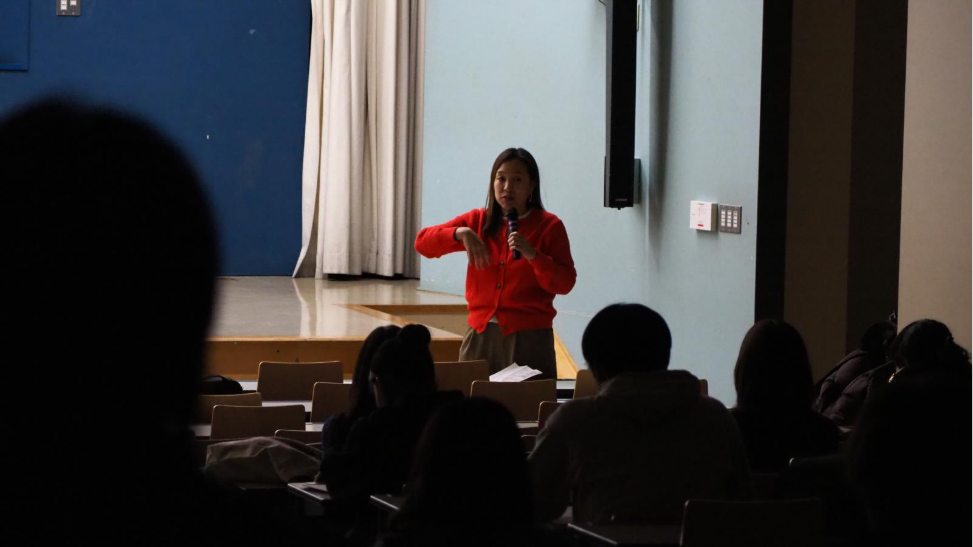
Each film was screened with brief contextual commentary on its highlights and cultural background, provided by Communications Officer Tomoko Miyauchi. Following the screenings, students and faculty members shared their reflections in an open discussion.
Given TUFS’s strong academic focus on ASEAN languages and regional studies, the collaboration provided a meaningful platform for connecting youth perspectives from ASEAN with students specializing in the region.
Participants’ Voices
Although the theme of the 2024 Award was “The Future I Want to See,” many films did not portray the future through images of skyscrapers, artificial intelligence, or advanced technology. Instead, they emphasized the importance of preserving relationships, traditions, and community values.
Several films focused strongly on human emotions and family bonds, while others conveyed their messages primarily through visual storytelling with minimal dialogue. These approaches demonstrated the universal power of film to communicate beyond language barriers.
Social transformation in many ASEAN Member States has been rapid. While modernization in Western societies unfolded over centuries, comparable changes in parts of Southeast Asia have taken place within decades — sometimes within a single generation. This context added depth to the young filmmakers’ reflections on identity and the future.
Despite cultural differences, many students commented that the films felt emotionally relatable. They expressed a strong sense of connection, recognizing that young people across ASEAN and Japan share similar concerns about belonging, identity, and community.
Outcomes
The screening session:
• Enhanced participants’ understanding of ASEAN’s diversity and social dynamics
• Increased awareness of youth perspectives across the region
• Encouraged reflection on shared challenges and aspirations between ASEAN and Japan
• Contributed to strengthening people-to-people connections through cultural exchange
Way Forward
Students’ responses reaffirmed that visual storytelling is a powerful medium for generating empathy and fostering people-to-people connections beyond differences in language and culture. The event also provided a platform for youth voices and reaffirmed the importance of deepening Japanese young people’s understanding of ASEAN. The Centre will continue to promote the winning films as representations of youth perspectives from the ASEAN region and expand opportunities for dialogue through cultural and educational engagement.