Reported by Ni Putu Mas Swandewi and Luh Anggreni
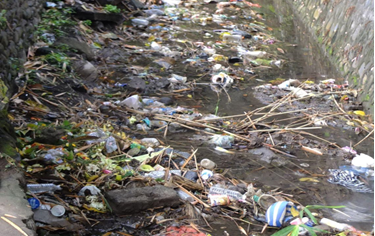
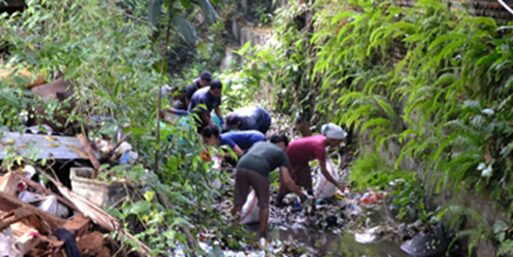
River Cleanup in the Sangsit River is a vital initiative undertaken to address the accumulation of inorganic waste and restore the balance of the aquatic ecosystem in Sangsit Village. This action was carried out through a collaboration between the Talk Sustainable team, the NGO Sungai Watch, and the local community, focusing on cleaning the waterway to support irrigation of residents’ rice fields and prevent the risk of flooding during the rainy season. By successfully collecting hundreds of kilograms of plastic waste, this program aims to change community behavior in waste management while raising collective awareness of the importance of maintaining river cleanliness in a sustainable manner.
Key Takeaways
- Immediate environmental and ecosystem impact: The river cleanup directly improved water flow by removing plastic waste and debris that blocked waterways, helping to prevent small-scale flooding in Desa Sangsit. Reduced pollution also supported the recovery of the river ecosystem, improving habitats for aquatic plants, microorganisms, and other living organisms, and contributing to long-term ecological balance.
- Increased awareness and positive behavior change: By participating in hands-on cleanup activities, community members experienced plastic pollution firsthand, transforming it from a distant issue into an immediate and visible concern. This direct engagement fostered stronger environmental awareness, encouraged reflection on personal plastic use, and motivated more responsible behavior toward waste and river cleanliness.
- Community cooperation and improved quality of life: The activity brought together local residents, youth groups, and environmental organizations, strengthening community collaboration and opening pathways for future partnerships and sustained action. Cleaner, odor-free rivers enhanced the surrounding environment, creating a healthier, more comfortable, and visually appealing space that supports both physical well-being and community pride.
Main Highlights
River Clean-up #1
- Date: 2 November 2025
- Venue or location: Sangsit Village
- Organizer: Community Development Team of Talk Sustainable Community & Sungai Watch
- Participants: Local community
- No. of participants: 16 participants
River Clean-up #2
- Date: 13 December 2025
- Venue or location: Sangsit River
- Organizer: Community Development Team of Talk Sustainable Community & Sungai Watch
- Participants: Local community
- No. of participants: 35 participants
Activities Implemented
River Clean-up #1
River Clean-up #1 began with comprehensive pre-activity preparations to ensure smooth and safe implementation. The organizing team coordinated invitations to local community members and the Sungai Watch team, conducted a site survey, and prepared essential equipment, including weighing scales, gloves, sacks, and rubber boots. Refreshments were arranged for all participants, and an internal briefing was held to align the team on roles, safety considerations, and the overall operational plan.
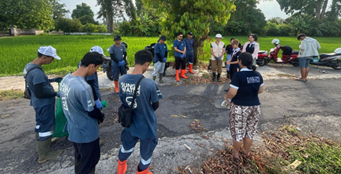
At 08:00 AM, participants and members of the Sungai Watch community gathered at the site for a technical briefing prior to the cleanup. The session outlined the scope of work, which focused on a 100-meter stretch of the river, and highlighted the river’s critical role in the local irrigation system. Participants were reminded that accumulated waste not only degrades the river ecosystem but also poses a risk of contaminating nearby rice fields, reinforcing the importance of proper waste removal.
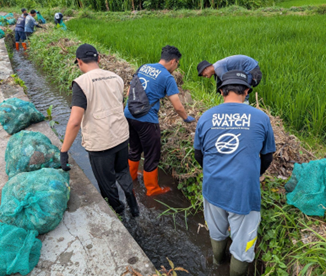
The cleanup activity focused exclusively on inorganic waste found both on the water surface and along the riverbanks. Supported by strong participant enthusiasm, the team successfully collected 70 sacks of waste within approximately one and a half hours. The final weigh-in recorded a total of 416.16 kg of inorganic debris. The collected waste was highly diverse, including plastic packaging, plastic and glass bottles, disposable diapers, plastic bags, aluminum and plastic household items, discarded clothing, and styrofoam. Plastic food and product packaging emerged as the most dominant waste category.
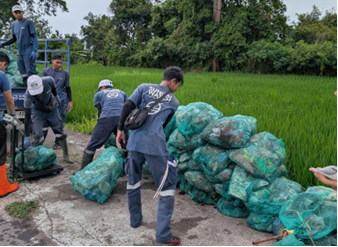
Following the cleanup, all collected waste was transported by the Sungai Watch team to their facility for further sorting and processing. The activity concluded with a group photo session and a short break, during which participants enjoyed refreshments and reflected on the day’s efforts.
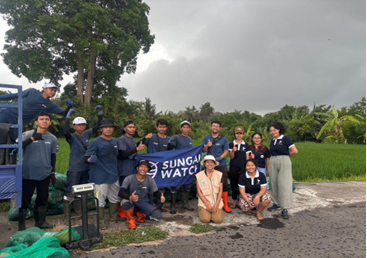
The event closed with an informal yet meaningful discussion session that brought together local residents, community members, and NGO representatives. Over traditional snacks such as steamed corn, sweet potatoes, and fried bananas, participants exchanged ideas on long-term river protection, local waste management challenges, and opportunities for continued collaboration. Sharing food in a relaxed setting helped foster open dialogue, strengthen social connections, and reinforce a shared commitment to environmental stewardship.
River Clean-up #2
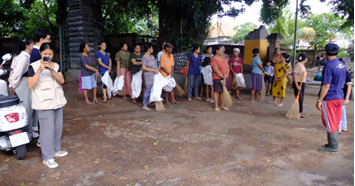
Prior to the implementation of River Clean-up #2, the committee and volunteers conducted initial preparations by reviewing the river’s condition and recording baseline observations, including water cleanliness, dominant waste types, and the specific areas to be cleaned. The activity began with a joint briefing at the main meeting point, where the coordinator explained the objectives of the cleanup, group assignments, designated work zones, and procedures for collecting and sorting waste. Safety guidelines were also emphasized to ensure participants remained cautious while working in slippery and rocky river conditions. Protective equipment, including gloves, boots, and large sacks, was distributed to all participants.
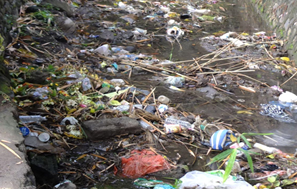
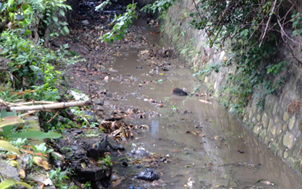
During the cleanup implementation, participants spread out along the river according to the predetermined work areas. Working in the spirit of mutual cooperation, teams collected various types of waste such as plastic packaging, beverage bottles, cans, used clothing, and household debris. Tasks were divided among participants, with some focusing on separating organic and inorganic waste while others handled larger items lodged among tree roots or rocks. The activity atmosphere was energetic and collaborative, with several local residents voluntarily joining the cleanup efforts. Throughout the process, the documentation team recorded key moments, including waste collection and transportation to the weighing point.
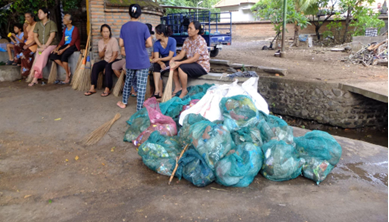
The final stage of River Clean-up #2 involved the weighing and categorization of all collected waste by the Sungai Watch team. The waste was sorted by material type, such as plastic, metal, and organic waste, and weighed to determine the total volume collected. These results were carefully documented for evaluation and reporting purposes. The substantial amount of waste recorded provided clear evidence of the cleanup’s positive contribution to improving environmental cleanliness and reducing pollution along the river.
Outcome
River Clean-up #1
River Clean-up #1 resulted in a visible and measurable improvement in the condition of the targeted river section. A total of 70 sacks of waste, weighing 416.16 kg, were successfully removed, significantly reducing the accumulation of plastic and other inorganic debris in the area. This immediate environmental improvement contributed to cleaner waterways and improved local river conditions.
Beyond the physical cleanup, the activity enhanced participants’ awareness of local environmental challenges, particularly the scale and diversity of waste entering the river system. Hands-on involvement allowed community members to directly observe the impacts of improper waste disposal, fostering stronger environmental consciousness and a sense of shared responsibility.
The activity also strengthened collaboration between local communities and environmental organizations, especially between Talk Sustainable and Sungai Watch Buleleng. These interactions built trust and laid the groundwork for continued cooperation in river protection efforts. In addition, observational data collected during the cleanup, including waste types and distribution patterns, provide valuable baseline information that can support the design and evaluation of future environmental programs.
River Clean-up #2
River Clean-up #2 achieved substantial environmental and social outcomes, with a total of 55 sacks of waste collected, amounting to 436.71 kg. The removal of this volume of waste contributed to improved river cleanliness and demonstrated the effectiveness of coordinated community-based cleanup efforts.
The activity further reinforced relationships among local residents, community groups, and environmental NGOs, with particularly strong collaboration between Talk Sustainable and Sungai Watch Buleleng. The joint implementation strengthened mutual understanding and highlighted the value of partnerships in addressing environmental challenges at the local level.
In addition to waste removal, the cleanup generated observational data related to waste composition, accumulation points, and river conditions. These insights serve as an important reference for future interventions, enabling more targeted planning, improved monitoring, and the development of longer-term river management and waste reduction initiatives.
Feedback
Feedback from participants and community members highlighted the importance of continuing river cleanup activities on a regular basis to maintain and build upon the environmental improvements achieved. Many also emphasized the need to expand participation by involving nearby villages, youth groups, and local businesses in future activities. Participants noted increased public awareness of environmental cleanliness, accompanied by visible improvements in river conditions that appeared cleaner and healthier. These positive changes fostered a stronger collective desire to preserve river sustainability in the long term, underscoring the value of follow-up meetings to explore broader river restoration strategies and sustained collaboration.