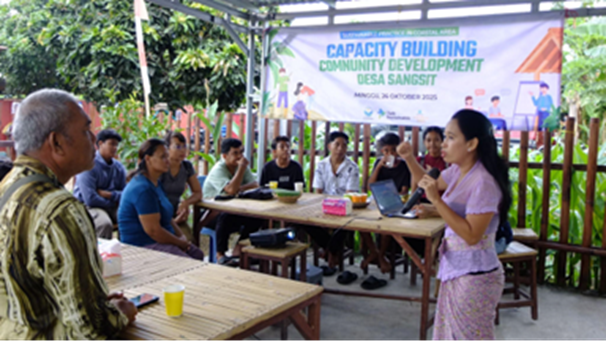
(Main image caption: Figure 1 The speaker explains practical steps for processing waste at sea for fishermen and traders on the coast)
Reported by Ni Putu Mas Swandewi and Luh Anggreni
This capacity building activity as part of the Sustainable Sangsit Initiative Project is specifically designed to empower community groups that interact directly with daily waste production, including market vendors, fishermen, and housewives. This initiative is a concrete step in supporting SDG 12 (Responsible Consumption and Production) through education on the urgency of reducing single-use plastics and waste management in market and domestic environments.
By equipping participants with practical skills such as applying the 3R principle and creating creative storage containers, this program seeks to change mindsets so that sustainable actions begin with small habits at home. Through this capacity building, it is hoped that community independence will be created in creating a cleaner environment in Sangsit Village, both in coastal and inland areas, for long-term economic and ecological well-being.
Key Takeaways
- Understanding the Root Causes of Waste: Participants gained a better understanding of why waste persists on the beach, specifically identifying three main factors: waste flowing from upstream rivers, a lack of visitor awareness regarding littering, and insufficient trash bin facilities.
- Changing Mindsets and Behaviors: The program emphasized that environmental change starts from within oneself at home. Participants realized that building small, consistent habits individually is crucial before these habits can influence public spaces and the wider community.
- Equipping the Community with Practical Solutions: The activity introduced practical ways to tackle plastic pollution that can be implemented immediately, such as forming a community waste awareness group (comprising fishermen and small enterprises), applying 3R (Reduce, Reuse, Recycle) principles, and collecting plastic waste that has economic value for sale.
Main Highlights
- Date: 26 October 2025
- Venue or location: Gerbangsih Sangsit Village
- Organizer: Community Development Team of Talk Sustainable Community
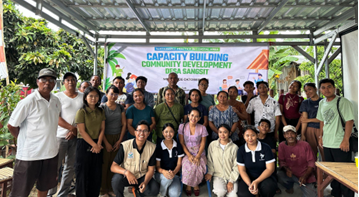
- Participants: Fishermen, Coastal small enterprises, and Organization Youth (Karang Taruna)
- No. of participants: 22
Activities Implemented
The activity was implemented through a structured and well-coordinated program that began with extensive preparatory work, including the drafting of Terms of Reference (ToR) for speakers, outreach to target participants, coordination with invited speakers, and arrangements for the venue and catering. Prior to the start of the event, the organizing team conducted an internal briefing to ensure alignment across all operational aspects. At 4:00 PM, participants and speakers arrived at the venue and proceeded with a registration process facilitated by the team.
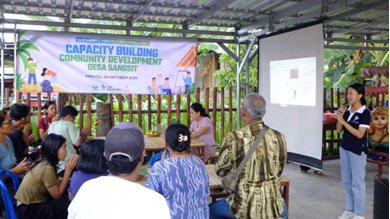
The main session featured a presentation on coastal waste management, emphasizing practical actions for local stakeholders. Vendors were encouraged to reduce reliance on single-use plastics and provide trash bins near their stalls, while fishermen were advised to avoid discarding fishing lines and hooks into the sea or along the shoreline. Given Sangsit Beach’s development as an emerging tourist destination, maintaining environmental cleanliness was highlighted as essential for visitor comfort and the long-term sustainability of local tourism.
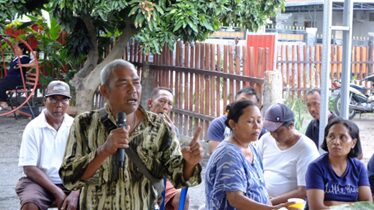
The session transitioned into an interactive feedback discussion, during which participants shared key challenges, including waste accumulation due to irregular collection services, persistent plastic dependency within the community, and littering behavior by tourists. In response, several locally driven solutions were discussed, such as establishing a coastal waste watch group to monitor and educate visitors, initiating plastic bottle collection for resale to recyclers, strengthening the application of the 3R principles, and committing to regular Friday beach cleanups led by fishermen and vendors.
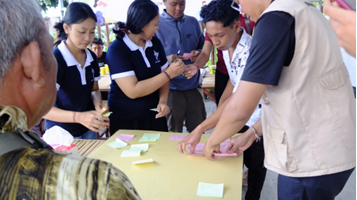
Following the discussion, participants were invited to reflect by writing down their personal commitments and future action plans for waste reduction. The event concluded with documentation activities and informal exchanges on domestic waste management, after which the organizing team conducted an internal evaluation and debriefing to inform the planning of subsequent capacity-building initiatives.
Outcome
As a key outcome of the activity, participants collectively identified three primary sources contributing to coastal waste at the site: waste transported through river flow, littering associated with visitor behavior, and the limited availability of waste management facilities. Building on this shared understanding, the discussion resulted in the formulation of a community-based action plan to establish a Coastal Waste Awareness Group. This proposed group, involving local fishermen and vendors, is intended to strengthen community stewardship by promoting responsible waste management practices while exploring opportunities to manage collected waste for economic value through recycling and reuse initiatives.
Feedback
At the end of the session, participants provided feedback by writing the aspirations on sticky notes regarding the waste issues they have long experienced in the coastal area.
Community Aspirations:
“More frequent and reliable waste collection services from the village to prevent buildup and unpleasant odors at home.”
“The provision of better facilities for both organic and inorganic waste processing at the village level.”
“The enforcement of stricter regulations for tourists to prevent littering along the coastal area.”
“Stronger collaboration between the government, fishermen, and local vendors to maintain beach cleanliness sustainably.”
“Creating a clean and healthy coastal environment as a lasting legacy for future generations.”