Reported by Sodalis Sophea, Menghorng Kao, Somnang Chhum
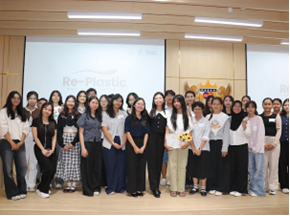
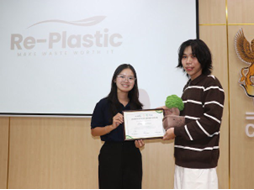
Re-Plastic is a youth-focused program that empowers individuals aged 15–20 and university students to take action against single-use plastic pollution through creativity, innovation, and community engagement. The program is implemented in two phases: Phase I – Workshop and Phase II – Exhibition.
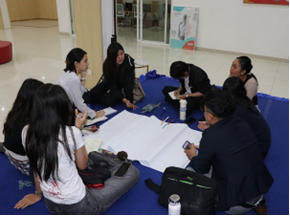
During Phase I, the workshop deepened participants’ understanding of plastic pollution and introduced innovative approaches to addressing the issue. Participants were then grouped into three thematic teams—fashion design, DIY products, and digital campaigns—where they developed practical and creative solutions to reduce single-use plastics. The outcomes of these projects are showcased in Phase II – Exhibition, highlighting youth-led ideas and actions for sustainable change.
Key Takeaways
- Increased Awareness of Microplastics and Their Environmental Impact: Through an interactive lecture led by AJYELN Fellows, students developed a clearer understanding of microplastics and their harmful effects on the environment. The session highlighted the widespread impacts of single-use plastic pollution, raising students’ awareness and encouraging them to be more environmentally conscious.
- Positive Behavioural Change and Adoption of Sustainable Alternatives: Students reflected on how everyday habits—such as improper waste disposal and reliance on single-use plastics—contribute to plastic pollution. The programme inspired them to explore alternative solutions and make more sustainable choices in their daily lives.
- Hands-On Experience in Addressing Single-Use Plastic Pollution: Participants were grouped into teams focusing on fashion design, DIY products, and digital campaigns, providing them with practical, hands-on experience in tackling single-use plastic pollution. This collaborative approach fostered creativity, teamwork, and problem-solving skills, while equipping students with actionable ideas they can apply within their schools and communities to create tangible environmental impact.
Main Highlights
- Date: 23 November 2025
- Venue: CAM-ASEAN Toul Kork
- Participants: High School students aged 15-20 from Phnom Penh City
- No. of participants: 30 students
Activities Implemented
A total of 30 high school and university students aged 15–20 from Phnom Penh City were selected through an application and evaluation process to ensure strong interest and commitment to environmental action.
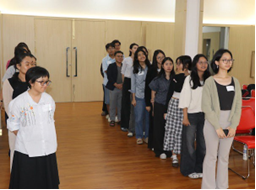
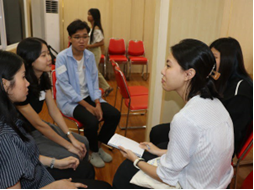
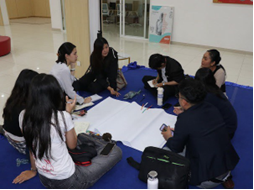
The participants took part in Phase I – Workshop, where they were encouraged to take action against single-use plastic pollution through creativity, innovation, and community engagement. At the end of the workshop, participants were divided into three groups to develop innovative solutions to plastic pollution under three main themes: fashion design, DIY products, and digital campaigns.
The workshop consisted of four interactive sharing sessions designed to build knowledge, creativity, and practical skills:
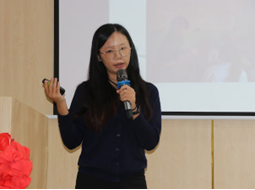
- Session 1: Everything You Need to Know About Plastic
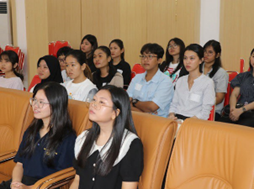
In this introductory session, participants gained foundational knowledge about plastic pollution, microplastics, and the long-term environmental impacts of single-use plastics. The speaker highlighted both global and local challenges, emphasizing the critical role of youth in driving change. Participants actively engaged by asking questions and sharing observations about plastic waste issues within their own communities.
- Session 2: Turning Plastic into Fashion Design
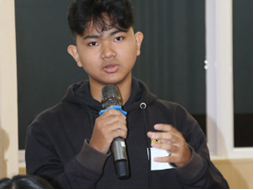
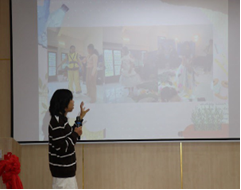
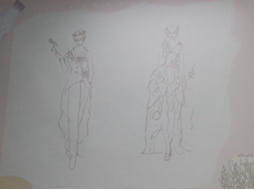
This session inspired participants to reimagine plastic waste as wearable art. The speaker presented examples of upcycled fashion and demonstrated basic techniques using materials such as plastic bags and bottles, encouraging creativity and innovation in sustainable design.
- Session 3: Turning Plastic into Usable and Creative Products
Participants explored practical DIY techniques for repurposing plastic into functional and decorative items. The session introduced creative approaches to transforming plastic bottles, wrappers, and containers into planters, accessories, and storage solutions. Teams brainstormed product ideas, combining design thinking with sustainability goals.
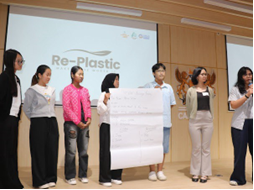
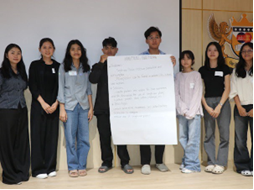
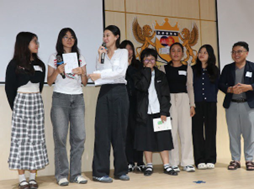
- Session 4: Using Social Media as a Tool for Change
The final session focused on amplifying environmental messages through digital platforms. Participants learned key strategies for content planning, storytelling, and audience engagement, and were encouraged to use social media as a tool to inspire positive behavioural change within their communities.
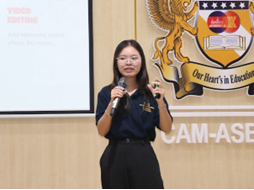
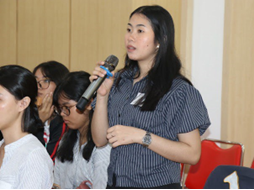
Through lectures, hands-on activities, teamwork, and these interactive sessions, participants explored real-world environmental challenges and developed practical, creative solutions toward a plastic-free future.
Outcome
Key outcome of this Phase I – Workshop are as follows:
- Improved Awareness of Plastic Pollution
Participants gained a stronger understanding of plastic pollution, microplastics, and the environmental impacts of single-use plastics at both global and local levels.
- Practical Skills and Creative Solutions
Through hands-on activities, participants developed innovative ideas by transforming plastic waste into fashion items, DIY products, and creative solutions.
- Strengthened Youth Capacity and Teamwork
Group-based activities enhanced participants’ creativity, problem-solving skills, and collaboration, empowering them to take initiative in addressing environmental challenges.
- Increased Advocacy and Action for Sustainability
Participants learned how to use digital platforms to raise awareness and were motivated to adopt more sustainable behaviours and promote change within their communities.
Feedback
The Re-Plastic Workshop received overwhelmingly positive feedback from participants through a Google Form evaluation. Participants highlighted that the activities were informative, engaging, and practical, helping them better understand the impacts of single-use plastics and explore effective ways to reduce waste. Overall, the feedback indicates that the workshop successfully raised environmental awareness, encouraged positive behavioural change, and equipped youth with practical tools to take meaningful action against single-use plastic pollution.