9 October– 20 December 2025 | Vientiane Capital | 1,531 participants
Reported by Padaphone Atvaly, Prasone Khaosaath, Phoutthavong Phoumivong, and Xayyadeth Ounniyom
Key takeaways
- From Plastic Waste to Circular Value: The project engaged 1,531 community members in plastic donation and awareness activities, collecting plastic waste and reinvesting its value into recycled products. Even when direct recycling was not possible, the initiative successfully supported the plastic recycling value chain through alternative, practical solutions.
- Raising Awareness Through Tangible Action: By transforming plastic waste into everyday recycled items—such as keychains and coasters—and showcasing them at a climate event, the project made the concept of a circular economy visible and relatable. Participants gained a clearer understanding of how plastic waste can be repurposed into useful, sustainable products.
- Demonstrating a Sustainable Community-Based Model: Sales of recycled products generated modest income while reinforcing responsible consumption and reducing reliance on virgin plastic. The activity demonstrated a replicable, community-driven approach that links environmental action, public awareness, and project sustainability.
Main highlights
- Date: 9 October – 20 December 2025
- Venue or location: Wat Mai Xokkhum
- Organizer: SalaSara team
- Participants: local residence and community members
- No. of participants: 1,531 participants
Activities implemented
Community-Based Plastic Collection and Sorting
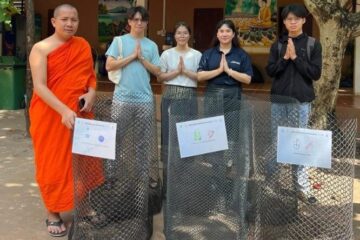
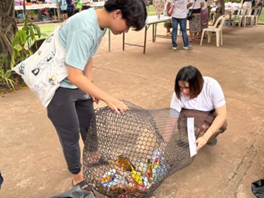
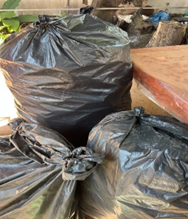
The activity began with the installation of plastic collection bins at a local temple, providing an accessible and trusted community space for residents to donate used plastic materials. This approach encouraged public participation and helped raise awareness about proper plastic disposal and recycling practices. In parallel, the team also collected plastic waste through various community activities, gradually consolidating the collected materials for further processing.
Initial Attempt to Enter the Recycling Stream
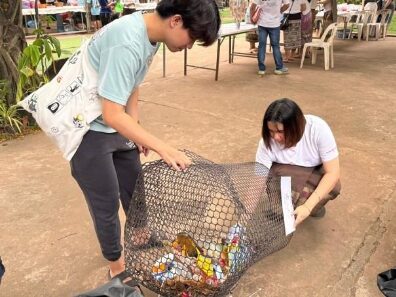
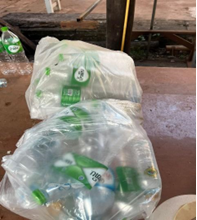
Once sufficient plastic waste had been collected, the team attempted to sell the materials to a plastic waste collector for recycling. However, due to strict quality and sorting requirements, the collected plastic was not accepted by the manufacturer for direct recycling. Despite this challenge, the team proceeded to carefully sort and prepare the collected materials, which amounted to 11 kg of plastic bottles and 600 grams of bottle caps, ensuring transparency and accountability in the waste management process.
Supporting the Recycling Value Chain Through Reinvestment
After selling the collected plastic waste to a waste collector, the team reinvested the income generated into purchasing recycled plastic products directly from a recycling manufacturer. Although the original materials could not be recycled as intended, this alternative approach still supported the circular economy by sustaining demand for recycled plastic products and reinforcing the recycling value chain. All purchased items were produced from recycled plastic and aligned with the project’s environmental and climate action objectives.
Promotion and Sale of Recycled Products at a Climate Event
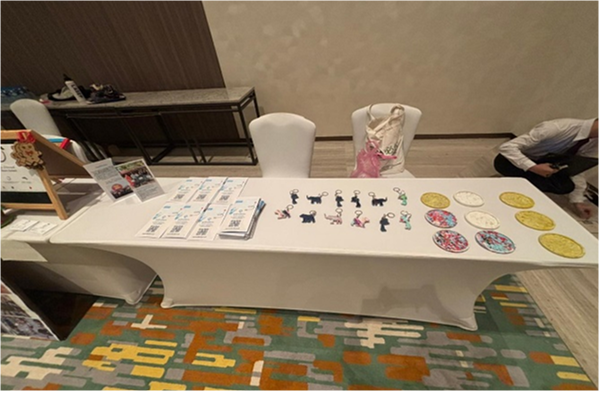
The recycled products were subsequently showcased and sold at a climate-related public event. The team set up a booth to promote the project, engage with visitors, and share information about the journey of plastic waste—from community collection to recycled products. The sale of these items not only generated modest financial support for the project but also served as a practical demonstration of sustainable consumption.
Items Processed and Sold
- Keychains: 20 pieces
- Classic coasters: 5 pieces
- Customized coasters: 5 pieces
Outcome
Environmental Impact
The activity contributed to strengthening the plastic recycling value chain by reinvesting income generated from plastic waste sales into recycled plastic products. By promoting recycled items as practical alternatives to single-use plastics, the project supported more sustainable consumption patterns and helped reduce reliance on virgin plastic materials.
Community Awareness and Engagement
Through direct interaction at the climate event, participants gained a clearer understanding of the lifecycle of plastic waste—from community collection to its transformation into recycled products. The activity increased public awareness of circular economy principles and encouraged dialogue on responsible consumption, recycling practices, and individual roles in reducing plastic pollution.
Economic Viability and Project Sustainability
The sale of recycled products generated modest but meaningful income, demonstrating a practical model in which waste value can be redirected to support climate-friendly initiatives. This approach strengthened the project’s financial sustainability and illustrated how community-based environmental actions can continue without depending solely on external donations.
Feedback
Feedback from both waste collectors and customers was positive and highlighted the project’s environmental and socio-economic value. Waste collectors noted that the initiative not only contributed to reducing plastic waste but also supported income generation within the recycling value chain. Customers who purchased the recycled products expressed appreciation for the creativity and local relevance of the items—particularly the Lao map keychain—and encouraged the team to continue and expand the initiative.
“As waste collectors, this project not only helped reduce plastic waste but also contributed to improving our income” – waste collector.
“This is an interesting project, I love your Lao map keychain and keep going.” From a customer” – a customer at the climate event.