Reported by Jick L. Acupan and Prince Nico U. Geolaga
Building on the Ridge to Reef module of Project Dugong’s E-SEAssion, the seven (7) participating teams conducted waste and brand audits across their seven municipalities in Sarangani Province. Partnering with different local organizations and groups, the waste brand audit activity aims to assess the extent of plastic waste pollution, identify the source of plastic wastes, and understand local waste management practices. The insights gained provided a data-driven foundation for participants to design targeted, evidence-based solutions addressing the unique challenges of their communities.
Key Takeaways
The 3 main outcomes of the activity:
- The leading ‘single-use-plastic’ (SUP) on almost all of the conducted waste brand audits is the generic non-resealable and thin-layer cellophanes used by local vendors. These products are commonly seen in Philippines’ street markets selling street foods such as juices and other fluids or pieces of snacks. This is most likely due to the increasing number of vendors maximizing these types of cellophane due to its cheap price and high profitability. In addition to unbranded materials, a portion of the collected waste included branded packaging from mass-produced consumer goods. The presence of such items nonetheless reflects broader consumption patterns and highlights the role of single-use packaging across both informal and formal retail systems.
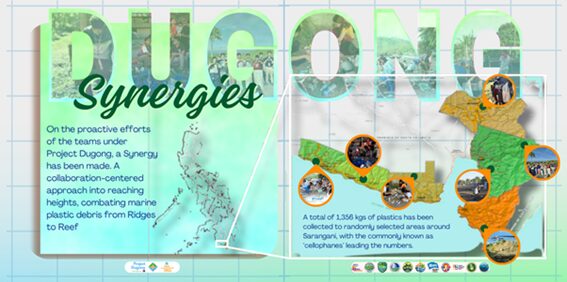
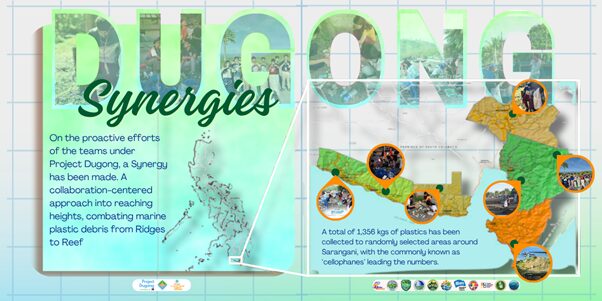
- The total collection of waste is 1356 kgs and more! A normal clean-up drive focuses on the immediate removal of litter to areas of improvement, but the waste brand audit conducted by the participants goes further by identifying specific brands and quantifying the types of materials polluting the environment. This evidence-based approach of waste brand audits is used to identify producers and consumers who contribute to plastic waste pollution through the improper disposal of their products after consumption.
- The participants and volunteers gathered, coming from different sectors. Some participating groups such as Balikalikasan, Bantayog, Malahluntian partnered with local community groups and LGU, Nautica and Urchin used the network of student organization within the school to conduct the waste and brand audit, while Saccampi and Seadivas maximized their circle of friends and small youth organization to conduct the activity. This spark of connectivity will strengthen the future initiatives of the participating groups as they continue their environmental advocacy journey.
Main Highlights
- September 7-20, 2025
- Community-based Waste and Brand Audit
- Team Projico and Volunteers
- Participants: 309 participants including the selected 7 youth-led teams:
- Team Bantayog: Franz Jay C. Villanueva, Jarvis T. Muto, Neanne Ley O. Baril, Afrah Athea K. Angkanan, with their mentor, the Local Youth Development designate of Maitum, Ms. Marife M. Cambel, RN.
- Team Balikalikasan: Wealth Fred A. Omas-as, Fu B. Maluya, Renalyn Grace R. Bueno, Samantha Faith D. Mendoza, with their mentor, the Local Youth Development Officer II of Malungon, Ms. Shiela S. Manocay, MPSA.
- Team Malahluntian: Jester E. Sumil, Gillian Fheb S. Balucan, Curtney Fotrema B. Fermasis, Daniela Anica B. Rabor, with their mentor, the Local Youth Development Officer III of Malapatan, Mr. Jomari P. Estrera, LPT.
- Team Nautica: Glee Lianne L. Elem, Daril Dave W. Obas, Marian U. Atlubulan, with their mentor, the Local Youth Development Officer designate of Glan, Mr. Jovencio L. Sentillas, Jr.
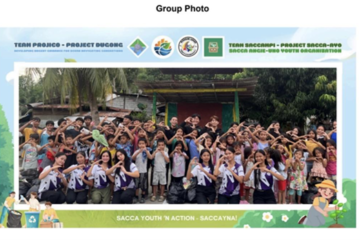
- Team Saccampi: Merrene Ruth P. Maningo, Julliene Rose P. Berdida, Shamara O. Paulma, Ian M. Villasan, with their mentor, the Local Youth Development designate of Alabel, Mx. Alfie Q. Agang, LPT.
- Team SeaDivas: Vincent L. Cuizon, Christian Lloyd A. Hemoros, Lawrence Jay O. Canono, Alyssa Joy O. Fauni, with their mentor, the Local Youth Development designate of Maasim, Mr. Patrick B. Dancel.
- Team Urchin: Rod Edison B. Bergado, Joseph Ryan E. Numos, Norcia B. Amponga, Marlyn Joyce S. Tugaoen, with their mentor, the Local Youth Development designate of Kiamba, Ms. Hapsa U. Andona, RSW.
Activities Implemented
The community-based waste and brand audit ran from September 7 to 20, 2025 and the participating groups partnered with multiple offices, groups, and organizations.
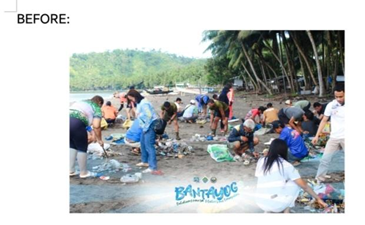
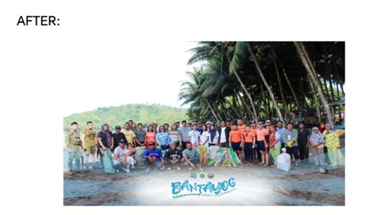
Team Bantayog conducted their waste and brand audit at Brgy, Maguiling, Maitum and collected a total of 280 kgs of waste. They have identified that the leading waste littered around this area is under soap and detergent products. Though in this case, cellophanes of unknown companies and brands are more dominant among all.
Team Urchin, in partnership with their school organization, held their waste and brand audit at Purok Gumamela, Kiamba and collected a total of 30 kgs of waste. This 30 kgs is composed of 305 pieces of plastic waste under the soap and detergent products category other than the dominating cellophane with unknown brands.
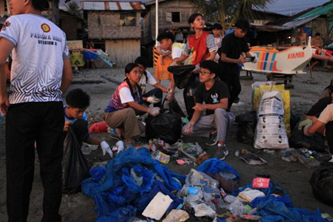
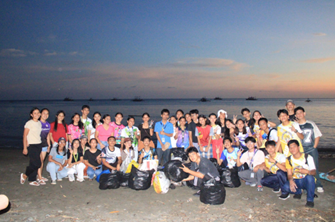
Team SeaDivas, working with their big circle of friends within the school, conducted a waste brand audit at the College of Fisheries building of Mindanao State University – General Santos City. They have collected a total of 125 pieces of trash with cellophanes as the most dominant product.
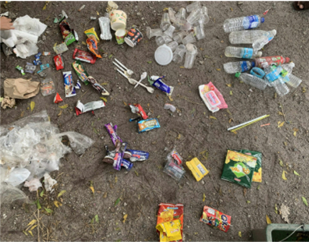
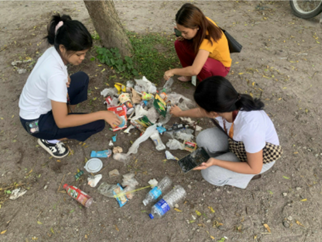
Team BaliKalikasan worked together with their Barangay Local Government Unit and conducted the waste and brand audit at the Barangay premises. They have collected a total of 20 kgs of waste with 660 pieces of it. 300 pieces were clear containers under PET classification.
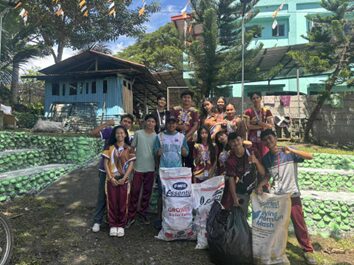
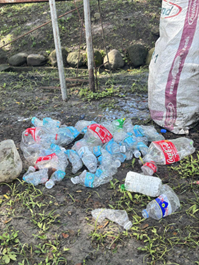
Team Saccampi, with their small youth organization, collected a total of 176 pieces of waste, which the most dominant ones were unbranded but also saw that among others, the second dominating plastics around were trash coming from chips and crisps snacks packaging.
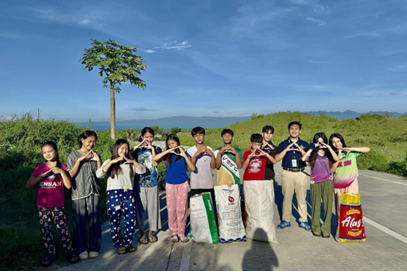
Team Malahluntian, with the most number of volunteers, has maximized community members and organization to conduct the waste and brand audit. They have collected a total of 1,000 kgs of waste along the shoreline of Tuyan, Malapatan. Though unbranded plastic wastes were the most dominantly collected waste, they have also realized that these plastics were hard-to-recycle waste and needed an abrupt action.
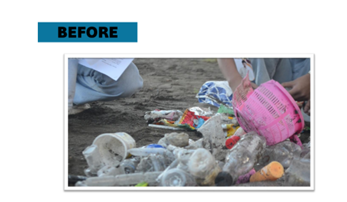
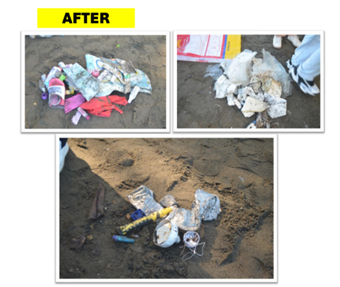
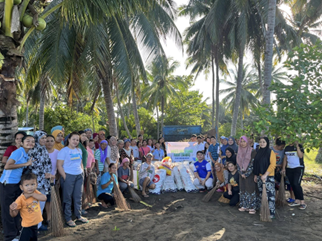
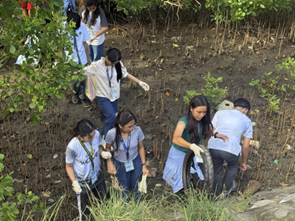
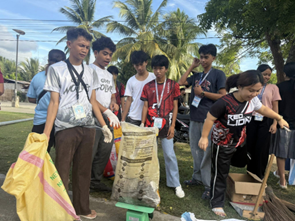
Lastly, Team Nautica, who have gathered volunteers from the school organization, have collected 24 kgs of waste and identified that the brands mostly stood-out during the brand audit were PET bottles, instant coffee mix sachets, and fabric conditioner sachets.
Outcome
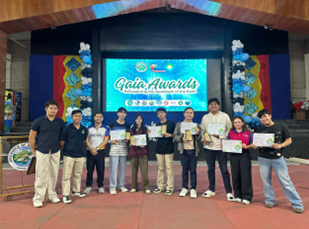
Awards and certificates of appreciation have been given to selected teams for their remarkable initiatives and partnerships. Recognitions include Team Bantayog for having been able to maximize fisherfolk organization and worked with Municipal Environment and Natural Resources Office, Balikalilkasan, and Malahluntina. Teams Nautica and Urchin were also recognized for maximizing their respective school orgs and partnered with making the activity possible with these volunteers.
Feedback
After conducting their respective Waste Brand Audit (WABA), multiple realizations and work in progress have caught the participants’ attention. Team Bantayog have realized that increasing awareness on proper waste segregation and recycling must be a priority in reinforcing environmental protection among communities. Team Balikalikasan realized that by educating the youth (starting from the youth) we can achieve a difference.
Team Malahluntian realized the role of companies to use eco-friendly packaging to promote zero-waste practices. Communities and companies must work hand-in-hand to realize this clean future for everyone. This has been fueled also by the realization of Team Nautica that local communities should learn and practice the 5R (Refuse, Reduce, Reuse, Repurpose, and Recycle), and join more clean-up drives to remove remnants of plastics in our oceans.
Team Seadivas realized the need for more trash bins in the campus premises to reduce overflowing waste in the trash bins given the population of the campus. While Team Urchin wanted to see more environment-related policies in the local government unit. This includes further Waste and Brand Audits, and sustainable packaging practices for the local businesses among others. Lastly, Saccampi pledges to strengthen their actions through partnership with other stakeholders.