Spoiler Warning:
The following content includes spoilers from the winning short films. If you wish to watch all the short films first before reading the article, they are available on our YouTube channel for viewing.

Playlist Link:
https://www.youtube.com/watch?v=cgA77AiGd1M&list=PLEeibcySrqF9ol1okUNoixP5NLZjEyo5G
(Each short film lasts between 2-3 minutes, excluding credits.)

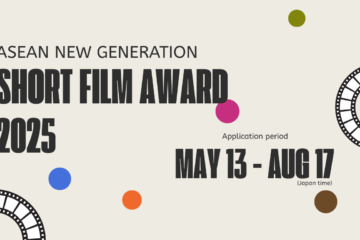
Last year, the ASEAN-Japan Centre hosted the 2025 ASEAN-Japan NEW GENERATION Short Film Award. Inspired by the 2025 ASEAN theme, aspiring filmmakers were tasked with submitting a short film between 2-3 minutes long on the theme of “I Belong”.
The Centre received over 150 submissions from all 10 ASEAN countries, with 5 films eventually emerging as winners.
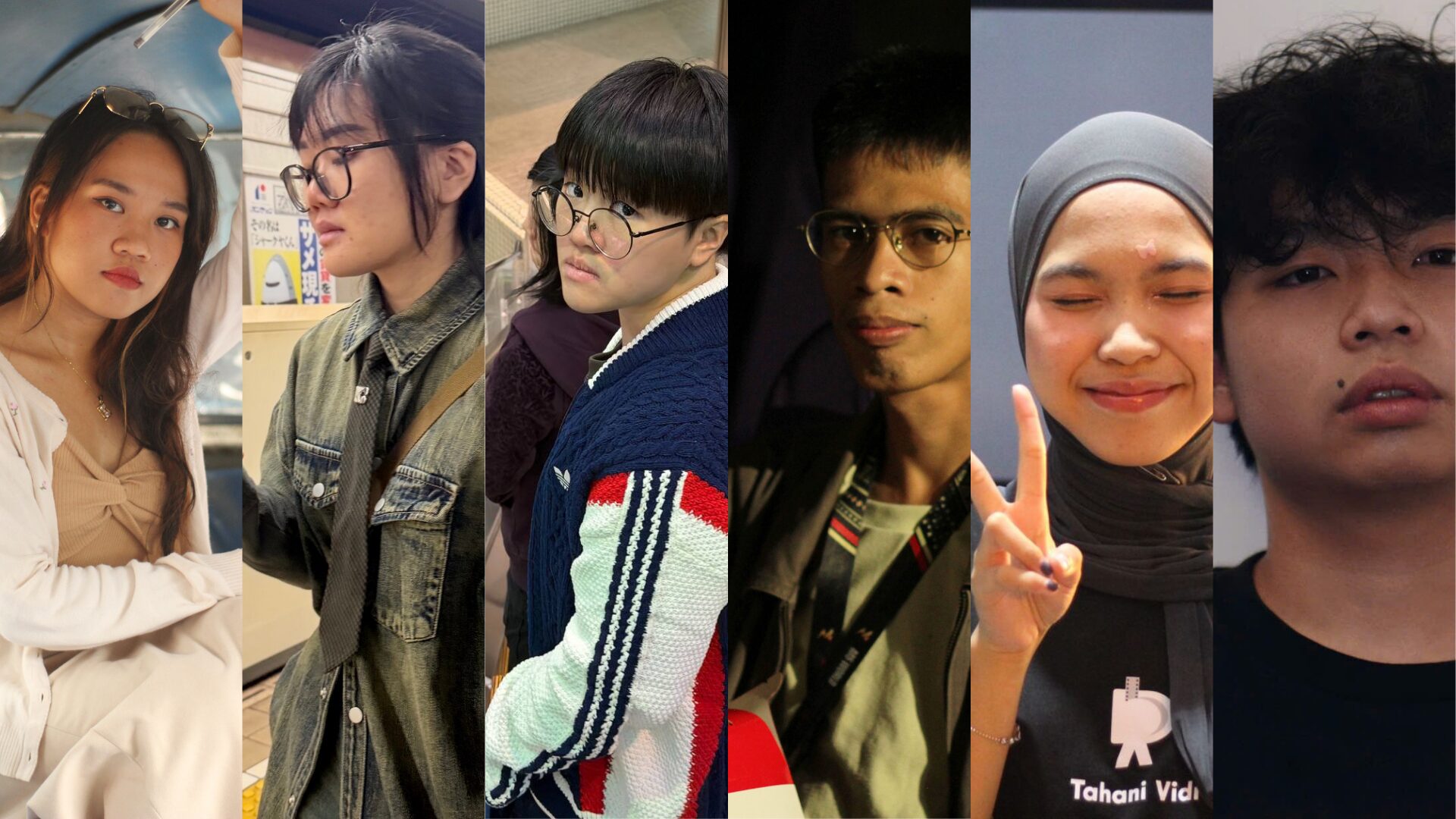
This article aims to introduce the filmmakers behind the winning films, sharing each of their stories and their perspectives on what their film meant to them.
PROM QUEER – Dylan Cerio (Philippines)
Winning the most popular film award for 2025 is Dylan Cerio’s PROM QUEER. Currently 20 years old, Dylan is pursuing a Bachelor of Science in Entertainment and Multimedia Computing in the Philippines.
Having always held an interest in filming, Dylan only began partaking in filmmaking 2 years ago after entering university. In the interview, Dylan recalled encountering a film collective called Alamat ng SAGA and decided to give it a try, starting their journey as a writer.
Now an established filmmaker, Dylan joined the ASEAN-Japan Short Film Award as they wanted to share their message on LGBTQ issues not just within the Philippines, but to other countries as well, including Japan.
“I think many people hide who they are because they are scared of being judged and rejected. Our film shows how difficult it can be to be yourself but also how freeing it is when the people you love accept you. And that acceptance and belonging are possible even in a society where it’s hard to be yourself.”
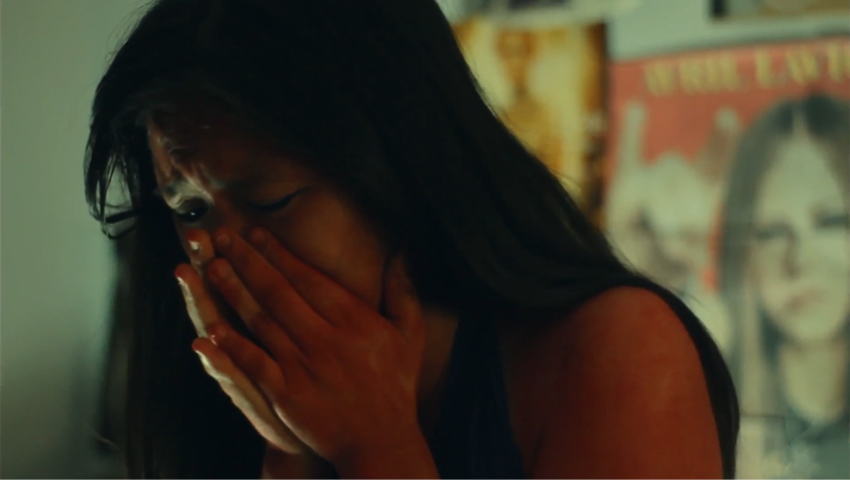
In PROM QUEER, a teenager, Lex, struggles with how to dress for their prom, ultimately choosing an unexpected outfit. The film focuses on the feelings of Lex and their friends as they prepare for their big day.
In the film, through precise sound design, powerful acting, and a clear vision for the film, Dylan highlights the internal conflicts of Lex juxtaposed against the carefree excitement of their friends. PROM QUEER depicts that many of these struggles happen behind closed doors, primarily due to the uncertainty of how those who are close to them may respond.
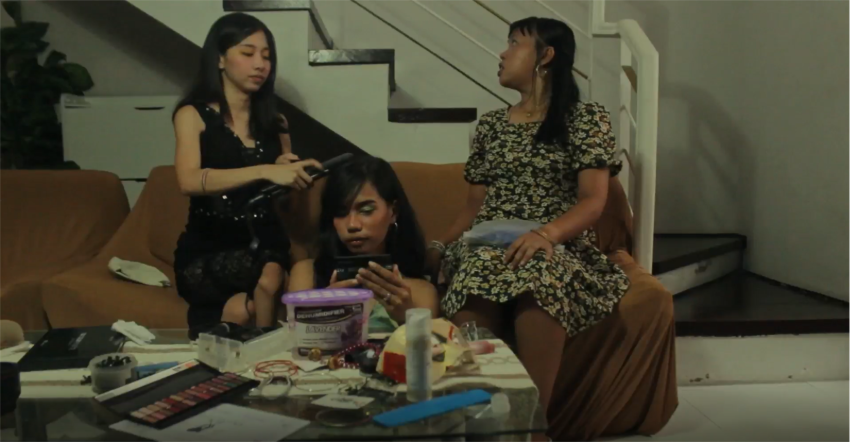
At the end, Dylan’s message is one of optimism, that even if the society is conservative, people are learning to accept and understand different identities. They believe that other countries are going through this process too and that it can be a shared experience across borders.
Be Here, Again – Nicole & Anabelle (Indonesia/Singapore)
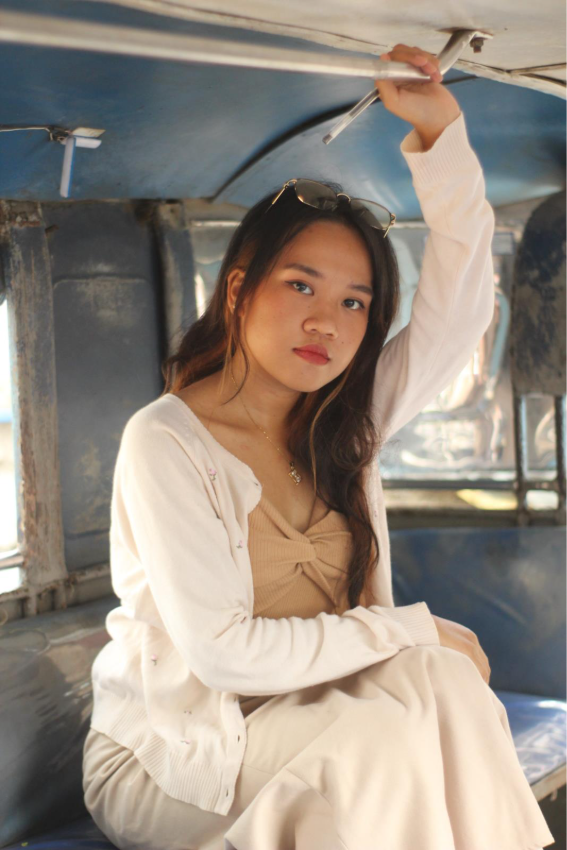
Behind the introspective film Be Here, Again, are 23-year-old Nicole Santoso and 20-year-old Anabelle. Together, they wrote, acted, filmed, and directed the short film entirely by themselves.
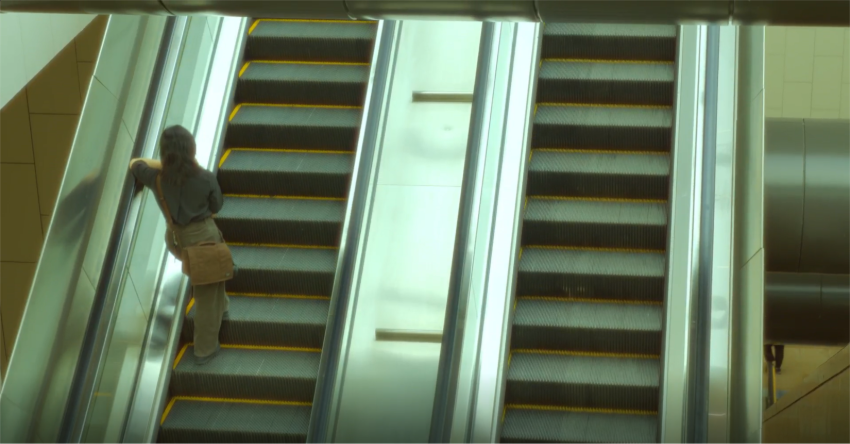
The film features a candid interaction between two friends as they find their place in a new environment. The heartfelt dialogue paired with the creative camera work in iconic places around Singapore brings an encouraging and mesmerizing experience for anyone that watches the short film.
Initially planned to be a short film featuring the different cuisines and locations of Singapore, the idea eventually brought about a connection between the country and their interaction with it at a human level.
Surprisingly, Nicole and Anabelle have two very distinct preferences when it comes to creative directions. Nicole favors thrillers and psychological dramas, both of which rely heavily on symbolism, while Anabelle prefers slice of life plots with minimal drama or action. Be Here, Again merges these opposing styles through meticulous filmmaking, achieving a unique balance between high tension and comforting warmth.
When asked about what viewers might have missed in the film, Nicole and Anabelle wanted to point out that in an earlier scene, when the main character (portrayed by Nicole) was exploring a touristy area in Singapore, there was a moment when they met a crowd and proceeded to flee from the area. Though seemingly insignificant, the scene served to foreshadow the worries of the main character in the later scenes.
Through this scene, Nicole and Anabelle wanted to depict that occasionally, the fear and isolation that one may be feeling could be the result of their own mindset and actions.

Having both moved from Indonesia to Singapore, Nicole and Anabelle wanted to capture both the multicultural environment of Singapore, and the feeling of leaving their comfort zones. For the audiences in ASEAN and in Japan, their message is that “by embracing change, appreciating diversity in its own unique culture, and understanding our own fears, new experiences might be the biggest lead to self-growth and connection.”
HE WHO HAS NO NAME – Edsel Gasmen (Philippines)
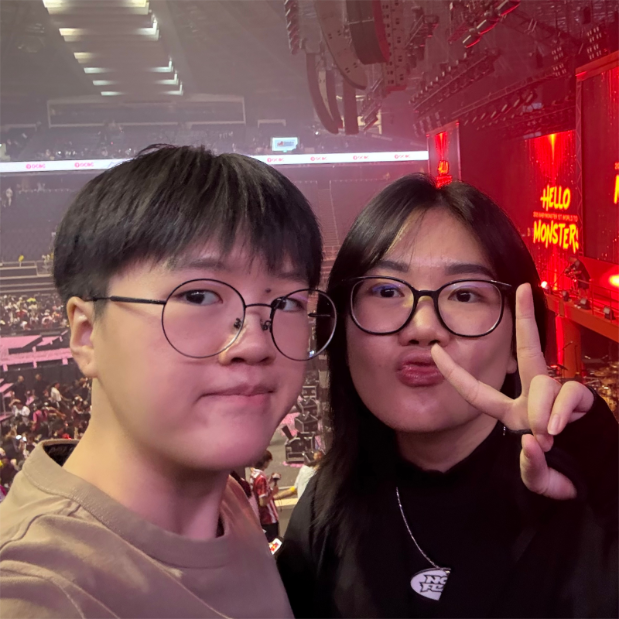
Another young filmmaker is 23-year-old Edsel Gasmen, freelance photographer and Director of the short film HE WHO HAS NO NAME. Starting from photography, Edsel eventually developed an interest in filmmaking after being inspired by several films and began his filmmaking journey in 2023.
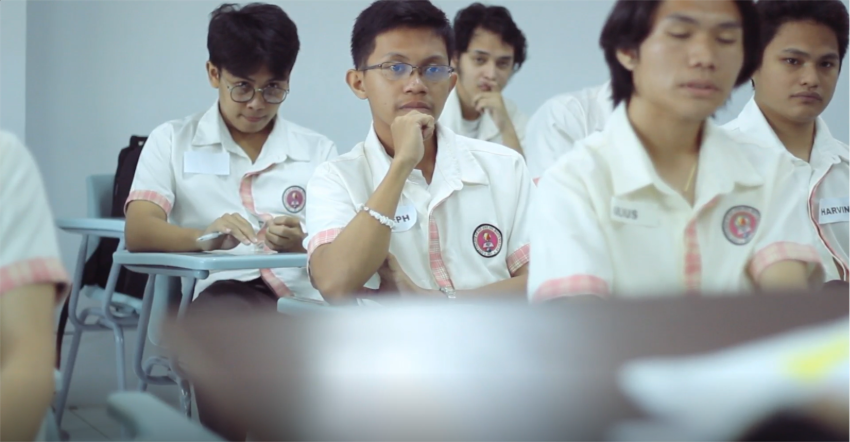
Setting the scene from the get-go, Edsel immediately invites the viewers to a tense and hectic exam setting. Amidst the busy scribbling of pencils in the classroom, a single student struggles with just writing their name.
In this film, the story keeps you engaged and curious from the beginning, only revealing the actual message at the end. In the interview, Edsel explains that they personally favor this metaphorical storytelling method as it keeps viewers interested all the way.
The delivery of the film was also elevated through the convincing performance of both main actors, who played a big part in setting the tone for the film.
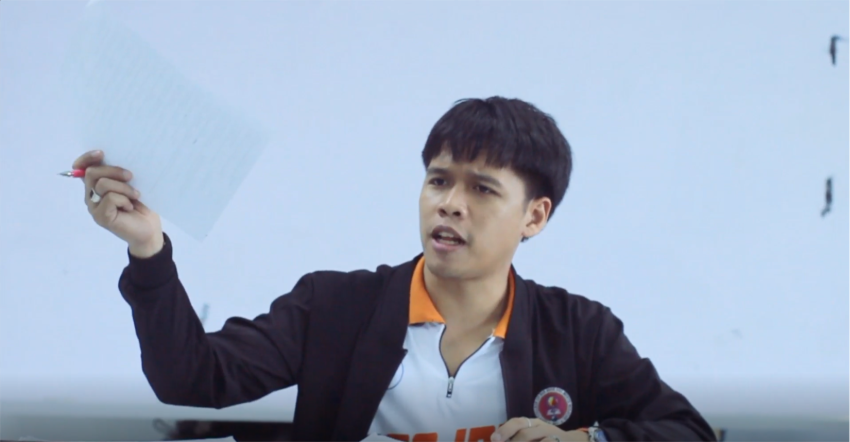
Notably, HE WHO HAS NO NAME was originally produced for a regional infomercial competition held by the Civil Registration Office of the Philippines with the main goal of encouraging parents to register their newborns with the Civil Registration Office.
In the process of coming up with HE WHO HAS NO NAME, Edsel was reminded of a moment in school where they had completed a test but did not receive their grades for it as they had forgotten to write their name. This became the idea that this short film was based on.
In terms of what Edsel hopes the rest of ASEAN and Japan takes away from this short film, they wanted to show the importance of identity, belonging, and everyone’s right to be recognized.
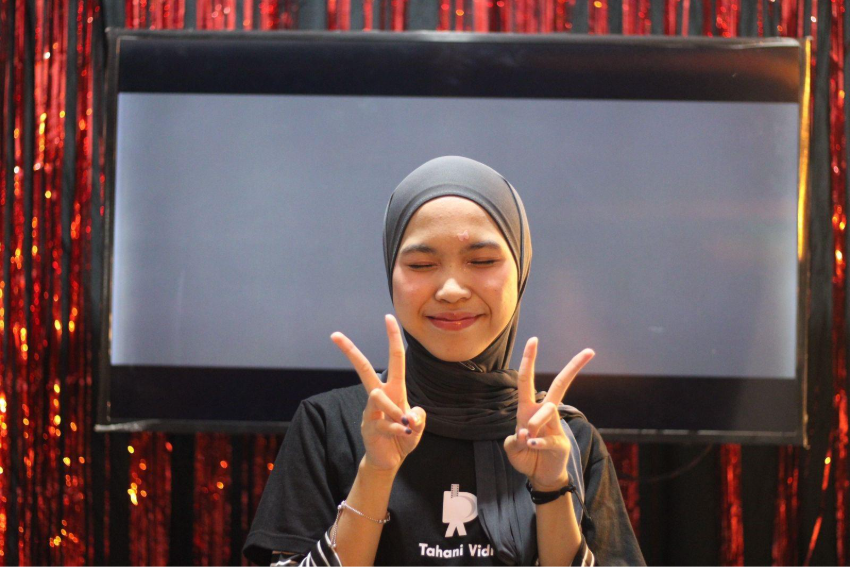
Saudade – Tahani Vidra Putri (Indonesia)
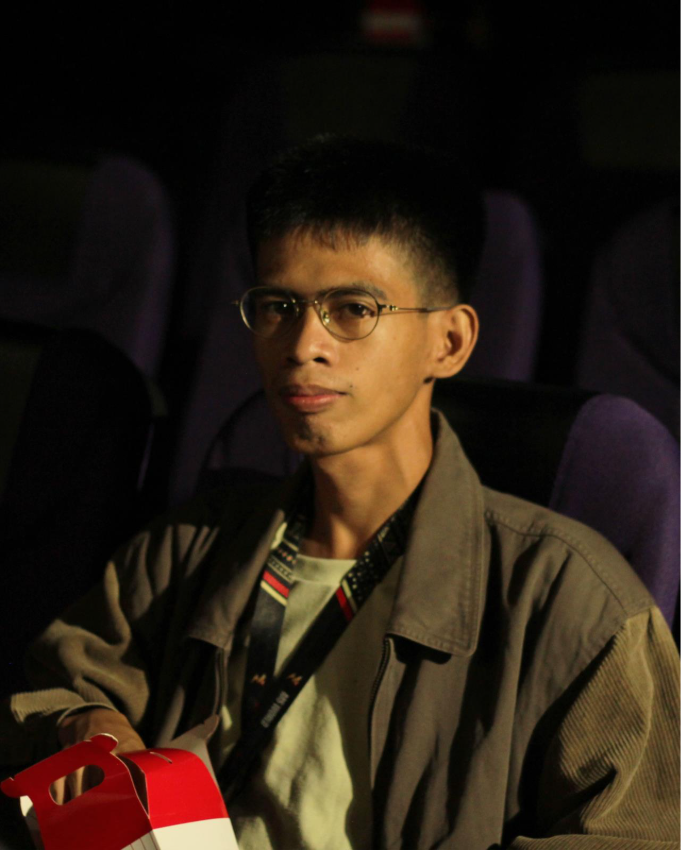
Submitting their entry from Indonesia is 24-year-old Tahani Vidra Putri. Their representative work is Saudade, a story about a child who reminisces about the past through sounds.
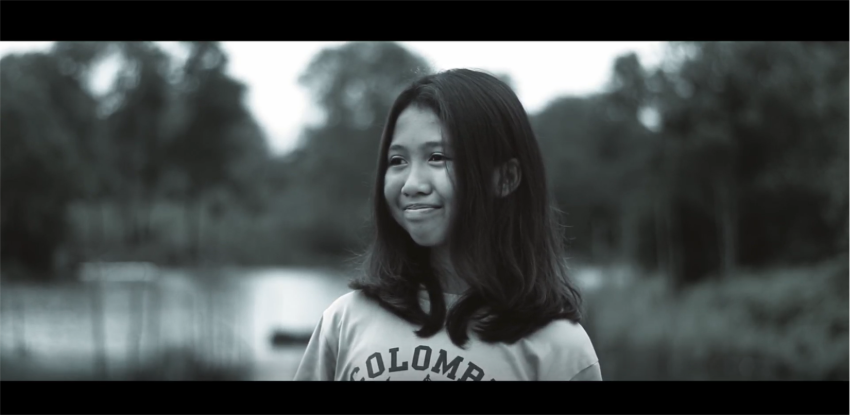
Tahani has been a creative individual for as long as they can remember, starting their journey by writing stories and poetry ever since elementary school.
Starting out as a scriptwriter, Tahani’s journey into filmmaking can be attributed partially to chance. Joining the school’s cinematography club, they were working on a project when the camera operator unexpectedly fell sick. Volunteering to step in, Tahani gained a whole new perspective on films, and they began to imagine stories not just in terms of words and sentences, but through pictures and sounds as well.
Since then, Tahani has been creating short films consistently since 2017.
As for her film style, Tahani usually works with films that are about 15-30 minutes long. They enjoy films that have simple yet powerful stories that are easy to understand but are still out of the box.
The theme of “I Belong” really stood out to Tahani, making them immediately think of places that hold deep memories, not because they are famous, but because of the memories and moments that people tie to them. They also saw it as a chance to bring the name of Indonesia and their filmmaking community, Drama Anak Bintan, to a bigger stage.
About their work, Tahani wishes that the film would remind people that even simple places can become precious memories. In Saudade, memories were explored through sounds and emotions, as opposed to the more commonly used senses of touch or sight. It was through this that Nala, the main character of Saudade, reconnected with her community, culture, and her family.

A detail that Tahani would like to point out about the film is its use of muted tones in the beginning, representing Nala’s perspective after losing her sight. Yet the colors return in the final scenes, symbolizing that broken hearts can be healed, and that love can bring light even in the darkest of times.
As for their message to the rest of ASEAN and Japan, Tahani wanted to share a different aspect of Indonesia. Intentionally holding back from featuring Indonesia’s rich culture and landscapes, Tahani instead wanted to share the warmth, empathy, and resilience of Indonesian people, and how they find hope and love even in moments of loss.
The Perfect Employee – Nguyễn Năng Hải An (Viet Nam)
Our last interviewee is 20-year-old Nguyễn Năng Hải An from Viet Nam. Now studying film and TV production at the University of Southern California, An’s creative journey started out from making music before expanding into short films.
In fact, An’s original purpose for filmmaking was simply to film music videos for their music. However, as they could not find someone who was able to produce a music video to their liking, An decided to try it out themselves. From there, An began familiarizing themselves with cameras, and before long, decided to also pursue filmmaking.
An’s film features a worker in Viet Nam who at first glance seems well-liked by their colleagues and bosses. Yet, as the film continues, the worker only appears to interact with their colleagues when it involves work and is not included in the other social interactions taking place around the office.
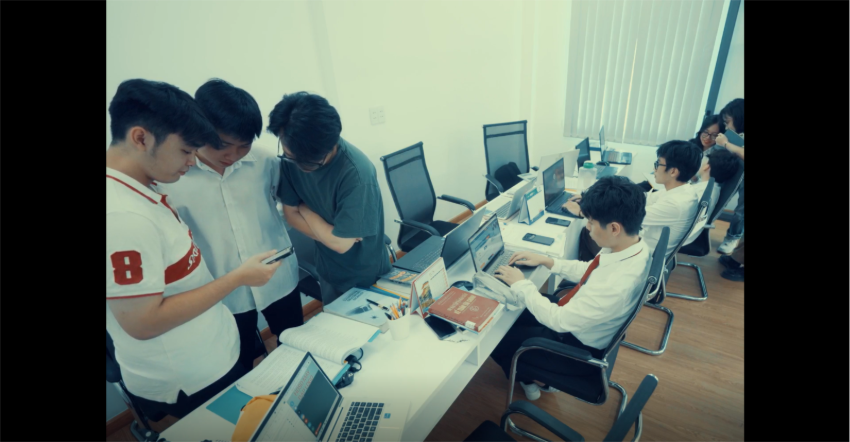
An’s idea for The Perfect Employee came from observing friends who worked diligently to secure their current jobs, only to realize later that they did not enjoy them. Inspired by this, An wanted to take a different spin on the theme, by presenting a character that clearly did not belong to their environment, only being appreciated for the work that they were doing.
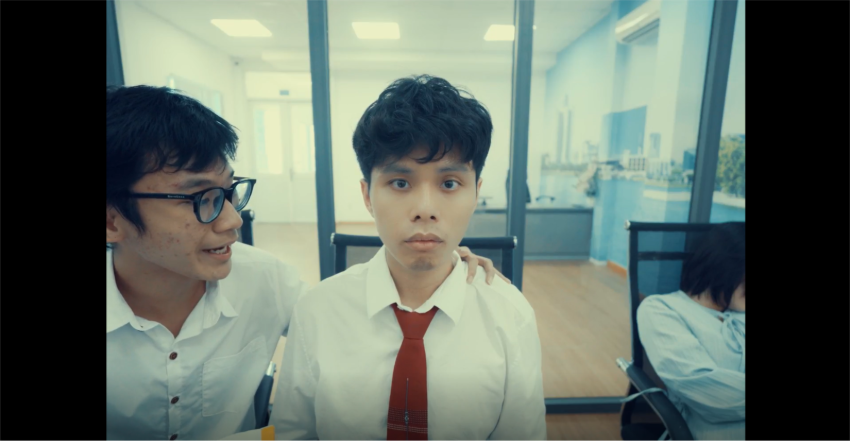
Through this film, An wanted to convey that many people spend a significant portion of their week in the office. Yet, they do not feel a sense of belonging to their workplace. They hope that through this film, people would realize that while it may not be enjoyable, such experiences will help us find and appreciate the places that we do feel a belonging to.
To make the film, An’s filming took place in a rental office. While filming, they saw other people around them going about their daily lives working in the office which created a realistic environment for the cast as they acted out the scene. An remarked that this arrangement also greatly reduced the amount of work needed to create the set.
When asked about their filmmaking style, An confessed that they were still in the process of figuring it out. Though they mentioned that the style of The Perfect Employee might not fall far from what they ultimately gravitate towards.
For the rest of ASEAN and Japan, An wanted to say that while we may be different in our languages, cultures, and in our environment, the feelings and experiences that we have are still similar, allowing us to relate with each other regardless of where we are.

Conclusion
There is a growing trend among young people to create video content, including films in the ASEAN Member States. Through these films, both new and old topics can be explored from a fresh lens: the perspectives of a younger generation of the ASEAN Member States that are familiar with both the traditional and the modern side of their countries.
By bringing these films to Japan and sharing them with young audiences, the ASEAN-Japan Centre hopes to build deeper understanding and empathy between the people of ASEAN and Japan, highlighting that while our backgrounds may differ, the emotions, hopes, and struggles at the heart of each story are something that are shared among all of us.