

Key Takeaways
- Strategic selection among multiple FTAs: Malaysia and Japan are linked by MJEPA, AJCEP, RCEP, and CPTPP, each offering different tariff benefits and compliance requirements. Businesses must choose the agreement that delivers the best balance of tariff savings and administrative simplicity.
- Alignment with Japan’s structural needs: Export success depends on aligning products with Japan’s priorities, including the silver economy, high quality and safety standards, and the acceleration of Green Transformation (GX) and Digital Transformation (DX).
- Rules of Origin as the gateway to preferences: Preferential tariffs are only available if products qualify as originating under specific Rules of Origin, which determine eligibility for reduced or zero duties.
- Operational excellence builds trust: Japanese business partnerships require consistency and precision, starting from small transactions. Trade exhibitions and direct engagement remain critical for long-term market entry.
- Institutional support enables practical outcomes: Organizations such as the ASEAN-Japan Centre (AJC), JETRO, and MATRADE play a key role in helping firms convert FTAs into tangible commercial value, including through the growing use of self-declaration systems.
From Agreement to Action: Practical FTA Utilization for Malaysia–Japan Trade
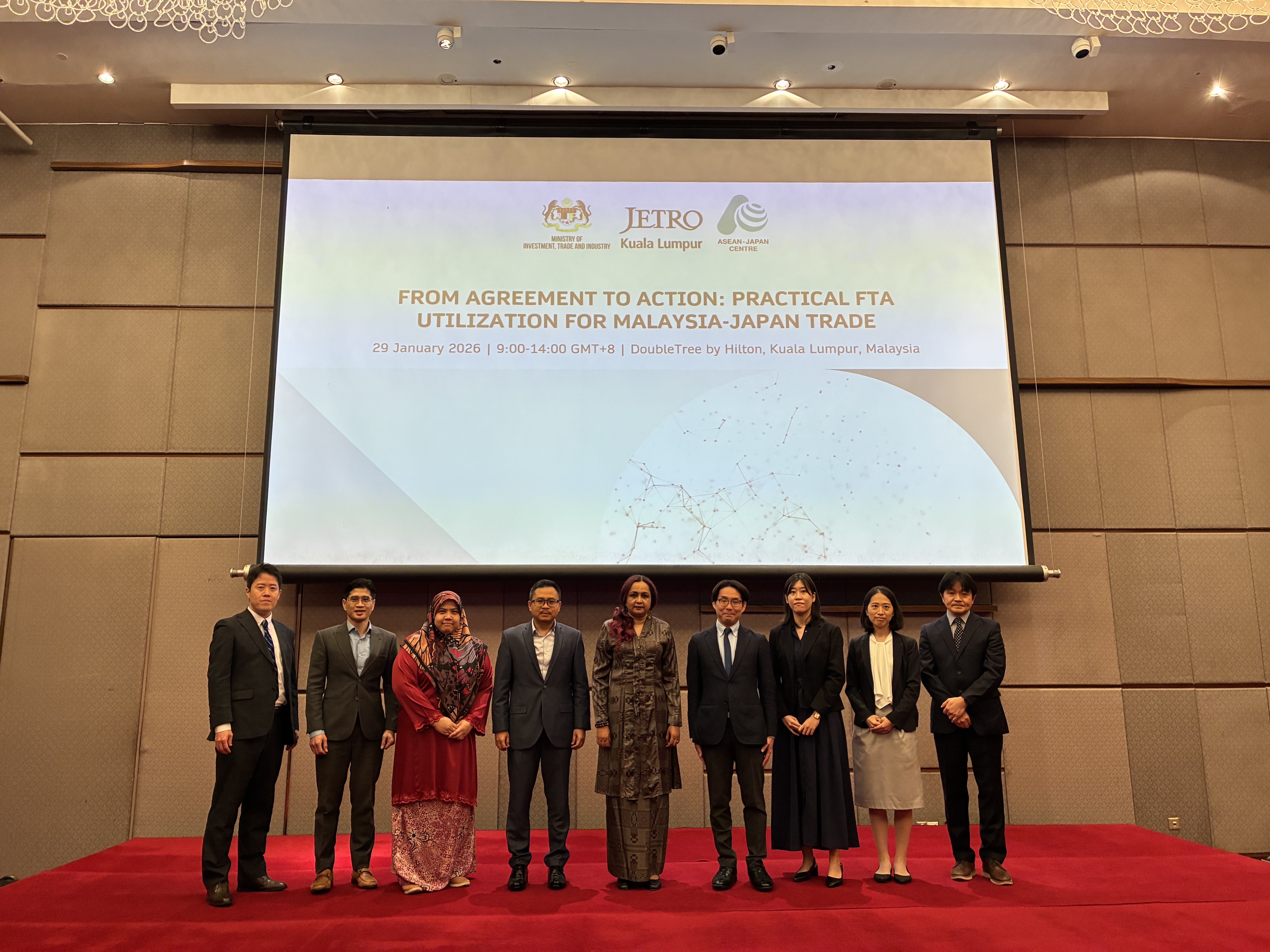
On 29 January 2026, the ASEAN-Japan Centre (AJC), in collaboration with the Ministry of Investment, Trade and Industry (MITI) Malaysia and JETRO Kuala Lumpur, successfully convened the FTA Promotion Seminar “From Agreement to Action: Practical FTA Utilization for Malaysia–Japan Trade” at the DoubleTree by Hilton, Kuala Lumpur. The seminar was convened with the participation of the Ministry of Economy, Trade and Industry (METI) Japan, reflecting a strong bilateral commitment to advancing the practical use of FTAs for Malaysia–Japan trade.
The onsite seminar drew at least 80 participants, primarily from the manufacturing sector, including Malaysian and Japanese export-oriented SMEs as well as representatives from trade-support institutions. Throughout the sessions, participants actively engaged with the speakers, raising practical questions on FTA selection, Rules of Origin compliance, duty savings, and implementation challenges.
Objectives of the Seminar
The seminar aimed to enhance practical understanding of Malaysia–Japan FTAs by guiding firms on strategic FTA selection, Rules of Origin compliance, and tariff optimization, while strengthening SME confidence to enter or expand in the Japanese market through applied, business-oriented guidance.
Opening Remarks: From Frameworks to Commercial Value
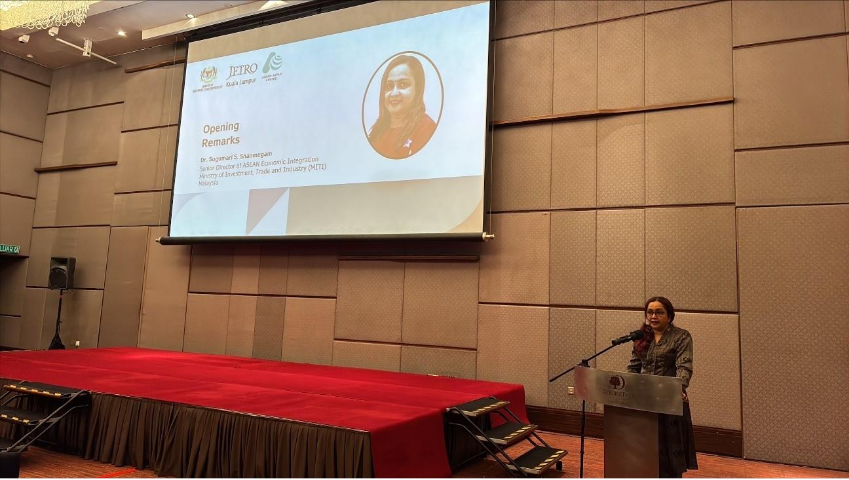
In her opening remarks, Dr. Sugumari Shanmugam, Senior Director at the Ministry of Investment, Trade and Industry (MITI) Malaysia, emphasized the seminar’s role in helping MSMEs translate FTAs into tangible business outcomes. She highlighted the strength of Malaysia–Japan economic relations, citing bilateral trade of approximately RM183 billion in 2025 and strong investor confidence, with over 96% of Japanese companies in Malaysia planning to reinvest or expand. Dr. Shanmugam stressed that effective use of MJEPA, AJCEP, RCEP, and CPTPP can deliver concrete benefits in high-impact sectors such as smart manufacturing, decarbonization, AI, and healthcare.
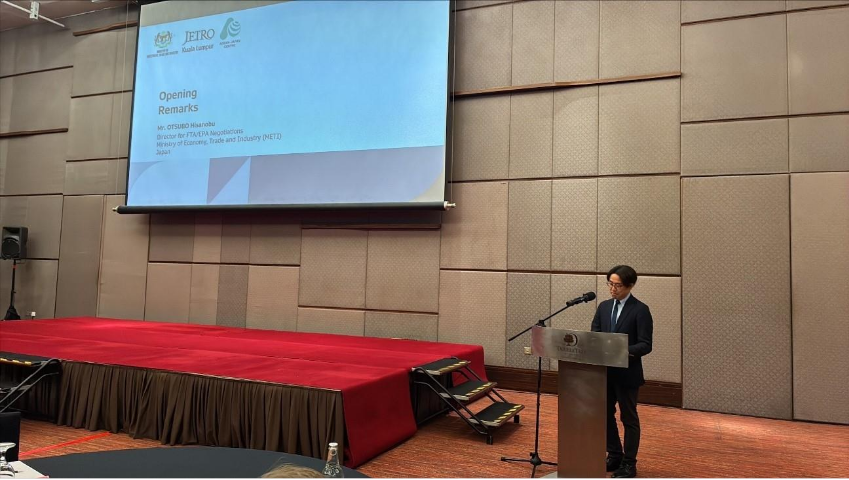
Mr. OTSUBO Hisanobu, Director for FTA/EPA Negotiations at the Ministry of Economy, Trade and Industry (METI) Japan, underscored the need for coordinated and practical trade strategies amid regional uncertainties. He emphasized that FTAs must generate visible commercial value, particularly for SMEs, and highlighted their importance in strengthening supply-chain resilience and supporting sustainable regional growth.
Session Highlights
The first session provided an overview of the FTA frameworks governing Malaysia–Japan trade, including MJEPA, AJCEP, RCEP, and CPTPP. Mr. Nik Mohd Salihin Nik Mustafa of MITI explained how businesses can strategically leverage different FTAs depending on product type and supply chain structure, followed by Ms. Kershin Tai of JETRO Kuala Lumpur, who discussed current FTA utilization trends between Malaysia and Japan. In addition, Mr. Mohamad Naim Othman of MITI provided detailed guidance on Rules of Origin (RoO) and certification procedures—often cited by SMEs as key barriers to FTA use.
A company perspective was shared by Ms. Nur Dalilah Abdullah of Nestlé Malaysia, who illustrated how systematic FTA use supports real business expansion in Malaysia–Japan trade. Following this, Mr. Mazlan Harun of MATRADE shared insights on trade opportunities with Japan by focusing on high-potential sectors like Japan’s “silver economy,” underlining the importance of starting small, and maintaining impeccable quality standards required to build long-term trust. Meanwhile, Mr. ISHIDA Yasushi of the ASEAN-Japan Centre also emphasized that Malaysian companies have significant opportunities to expand in the Japanese market by offering high value-added products and services—such as semiconductors, green technology, and healthcare supplies—that align with Japan’s structural needs for Green Transformation (GX) and Digital Transformation (DX).
Active Participation and Networking
Throughout the sessions, participants actively engaged speakers with practical and technical questions, particularly on cost analysis, duty waiver procedures, and compliance challenges, underscoring strong demand for applied guidance.
Feedback from participants indicated that the seminar significantly strengthened understanding of the FTAs available for Malaysia–Japan trade, including MJEPA, RCEP, and CPTPP, and clarified how to select the most suitable agreement based on product characteristics and business needs. Many participants highlighted improved knowledge of Rules of Origin and Certificate of Origin (COO) requirements, as well as the tariff reduction benefits that can enhance business profitability. The sessions also increased confidence among SMEs in their ability to export to Japan using existing FTAs, encouraged internal knowledge sharing within companies, and raised awareness of emerging opportunities—particularly in health-related products for an aging Japanese market.
Moving Forward
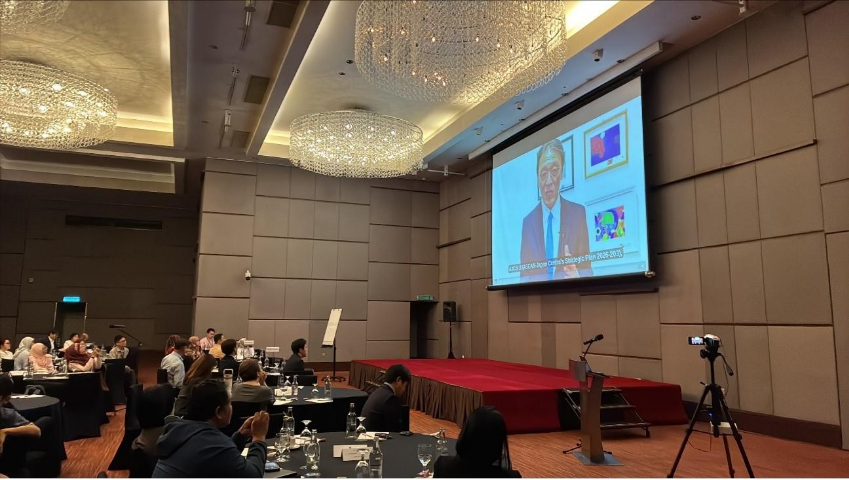
In his closing remarks, Dr. HIRABAYASHI Kunihiko, Secretary General of the ASEAN-Japan Centre, shared that the Centre, together with its partners, will continue to act as a strategic connector by providing targeted market intelligence, capacity-building programs, and business-matching opportunities. The AJC will continue to support SMEs in turning complex trade agreements into practical business benefits by staying engaged with companies and responding to their real-world trade challenges.


