Published on January 19, 2026
Healing the Land, Feeding the Soul: How a Crisis Birthed Thailand’s “Amazing Organic” Journey
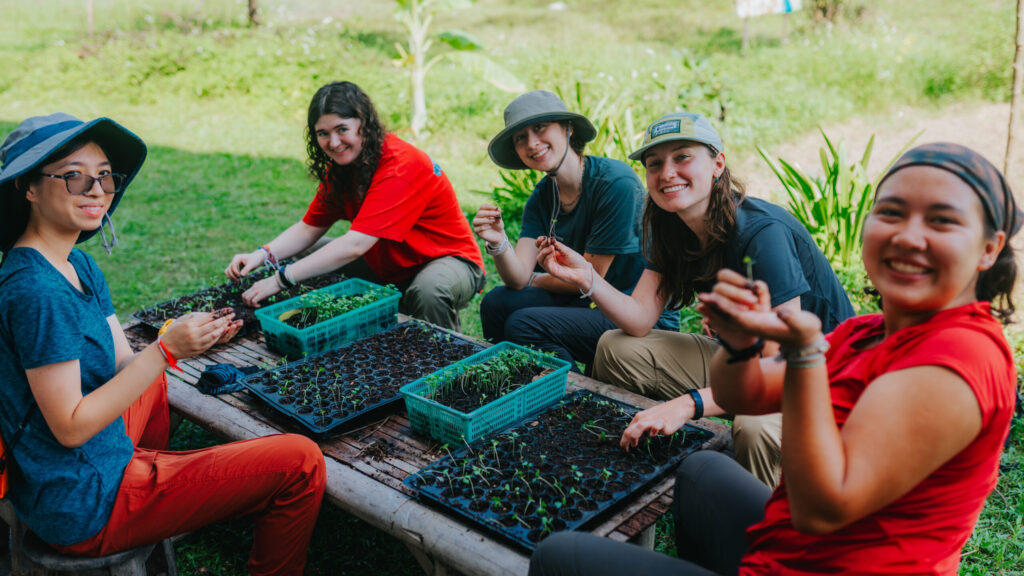
| Project : | Amazing Organic |
| Place : | Chiang Mai Province, Thailand |
| Initiative : | The “Amazing Organic” initiative is a pilot project under Thailand’s Bio-Circular-Green (BCG) model. It utilizes “food” and “local ingredients” as tools to attract tourists to organic communities. The project transforms tourism into a mechanism for environmental preservation, supporting communities like Mae Tha—originally a center for organic agriculture training—to transition into tourism destinations. This initiative reduces carbon footprints and preserves local biodiversity. |
| Actors : | Tourism Authority of Thailand (TAT), Mae Tha Organic Community Enterprise |
From a local struggle for survival to a recognised model of sustainable tourism, the Mae Tha community in Chiang Mai demonstrates how community wisdom and public policy can work together to protect the environment. Faced with serious health and environmental problems caused by chemical-intensive farming, local residents made a collective decision several decades ago to transition to organic agriculture. This shift laid the foundation for what Mae Tha is today: a living example of sustainable livelihoods, biodiversity conservation, and responsible tourism reinforcing one another.
Mae Tha is now recognised not only as an organic farming community, but also as a place for learning and exchange, supported by the Tourism Authority of Thailand (TAT). The community’s visitor initiatives began with an emphasis on study tours introducing organic agriculture and sustainable living. These early experiences shaped Mae Tha’s approach: rather than creating new attractions, tourism is used to communicate local values, daily practices, and close ties between people and nature.
The Mae Tha Way: From Study Tours to Sustainable Experiences
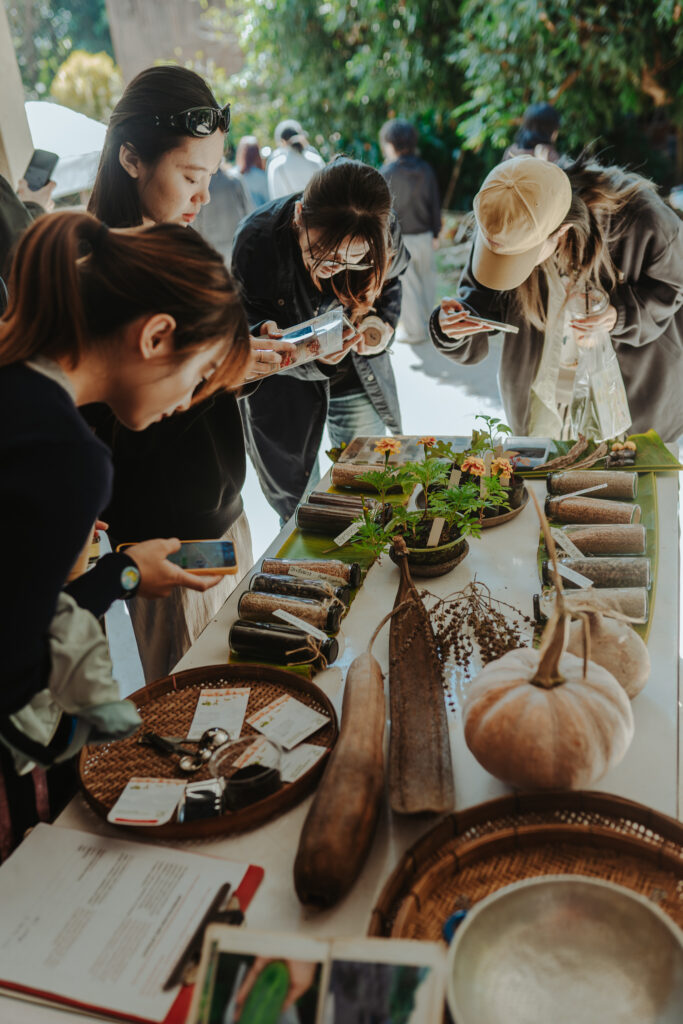
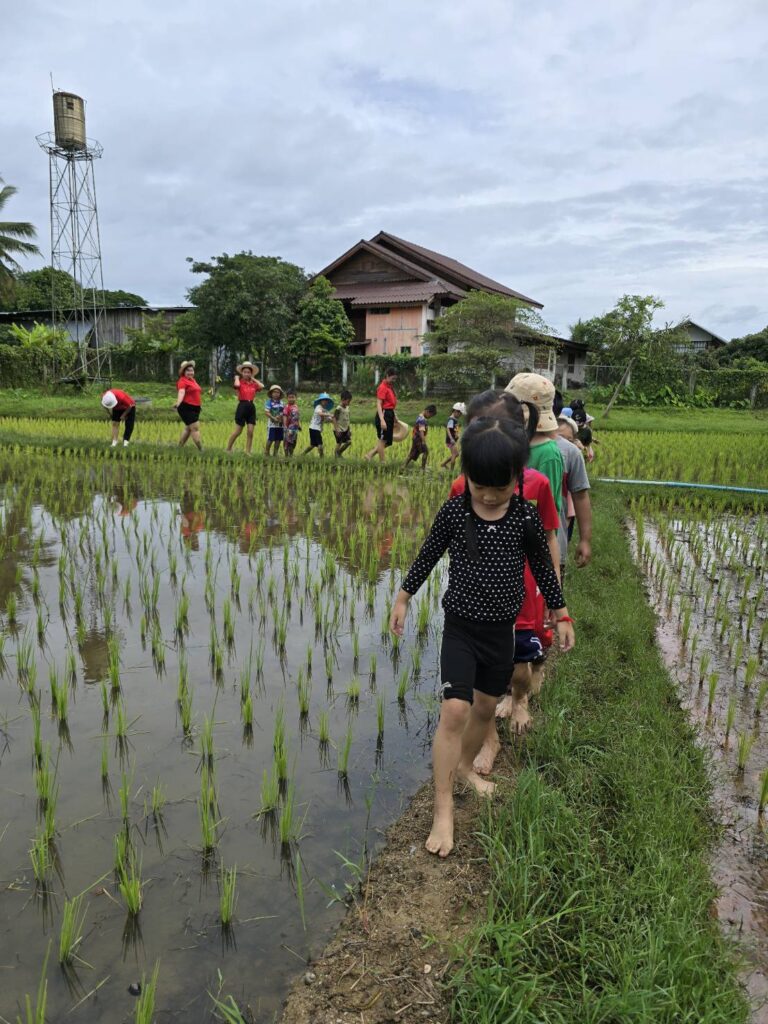
Caption: From the learning place to experiencing place.
Photos: Courtesy of Mae Tha Organic Community Enterprise
The Mae Tha community, comprising seven villages and more than 1,300 households, is now a well-established centre of organic agriculture. Its transition into tourism, however, was carefully managed, developing in line with the community’s values and long-standing agricultural practices.
Before opening to a wider tourism market, Mae Tha was primarily known as a destination for organic agriculture study tours. Visitors came with the specific purpose of learning about sustainable farming methods, soil preparation, seed selection, and ways to live in balance with nature. This firm educational foundation informed the development of community-based tourism rooted in knowledge sharing rather than mass tourism.
The community did not aim to create conventional tourist attractions. Instead, tourism was viewed as a communication tool to explain who they are, how they live, and why a sustainable lifestyle matters. Through carefully designed activities, visitors are invited to engage with the local environment and way of life in a direct and practical manner, rather than as passive observers. They trek through community forests, collect organic eggs, and prepare meals using locally available seasonal ingredients.
This approach also addresses serious environmental challenges linked to forest burning for wild mushroom harvesting, a practice that has contributed to seasonal air pollution. By introducing trekking and forest-based tourism activities, the community has created alternative income sources that depend on forest protection rather than burning, helping to reduce pollution while funding community-led fire prevention and conservation efforts. In this way, visitors are encouraged to become active participants in environmental protection.
The Amazing Organic Initiative: Policy Meets Passion
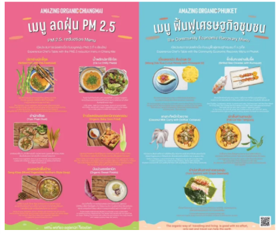
While the Mae Tha community developed its tourism activities from the ground up, TAT played a supporting role in connecting the community to a wider audience. Through the Amazing Organic initiative, launched under Thailand’s Bio-Circular-Green (BCG) Economic Model, TAT sought to balance the social and environmental impacts of tourism by promoting responsible travel, local food systems, and organic communities as part of a more sustainable tourism framework.
TAT’s approach was intentionally non-intrusive. Rather than reshaping the community’s identity, TAT worked as a facilitator and policy partner, collaborating with organisations such as the Thai Organic Consumer Association and the Thai Ecotourism and Adventure Tourism Association.
The core concept of Amazing Organic is simplicity: “Good practices with no effort. All you have to do is eat and travel.” Climate and seasons shape distinctive local ingredients across Thailand, and TAT encourages travel centred on food and learning that reveals this regional diversity. The aim is to foster a sense of responsibility among tourists, particularly younger travellers and families, so that natural resources are respected and preserved for the future.
Synergies in Sustainability
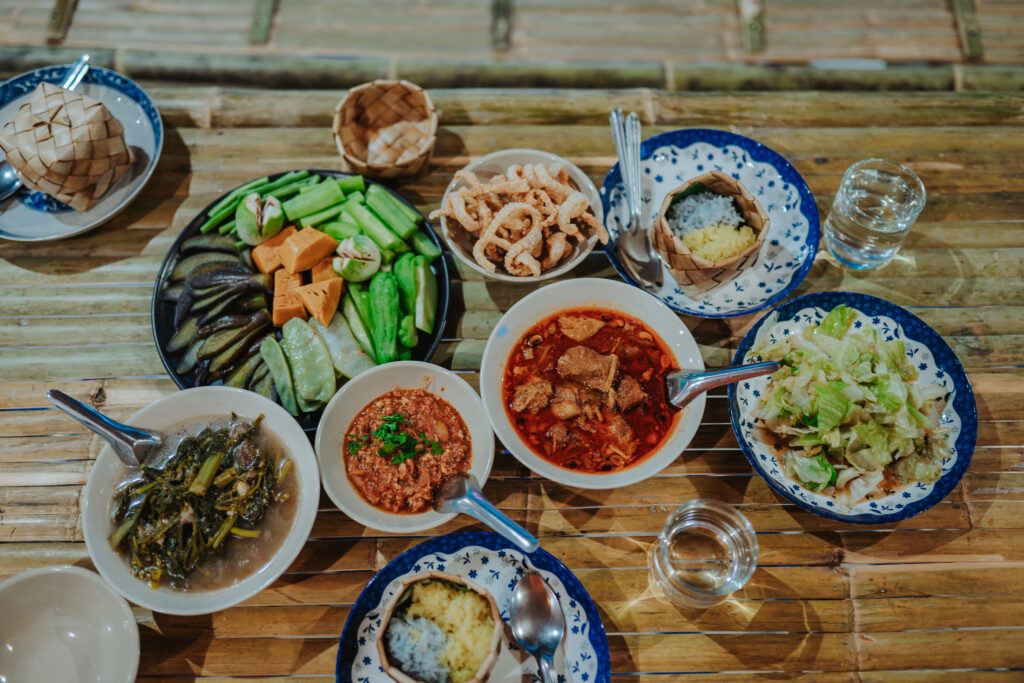
Photo: Courtesy of Mae Tha Organic Community Enterprise
The collaboration between Mae Tha and TAT demonstrates strong synergy between policy support and grassroots action. TAT supported capacity building by organising study trips that enabled community leaders to exchange ideas with Ban Bang Rong in Phuket, which was also selected as a destination under the Amazing Organic initiative. In addition, TAT facilitated access to wider markets by connecting Mae Tha with platforms such as Chiang Mai’s Jing Jai Market and the Central Group’s CSV (Creating Shared Value) initiatives and Sang Kom Suk Jai (Happy Society) in Sampran, Nakhon Pathom.
For the community, the partnership has expanded its impact. Tourism income is shared among local guides, chefs, and a community fund, helping to build local pride and collective ownership. For TAT, Mae Tha provides clear evidence that tourism can be used to protect and strengthen local identity, rather than undermine it.
As the global community faces increasing challenges from climate change and biodiversity loss, the partnership between Mae Tha and TAT offers a practical and hopeful model. It shows that the future of tourism lies not in creating new destinations, but in protecting, restoring, and valuing the natural and cultural environments that already exist.
Interviewee
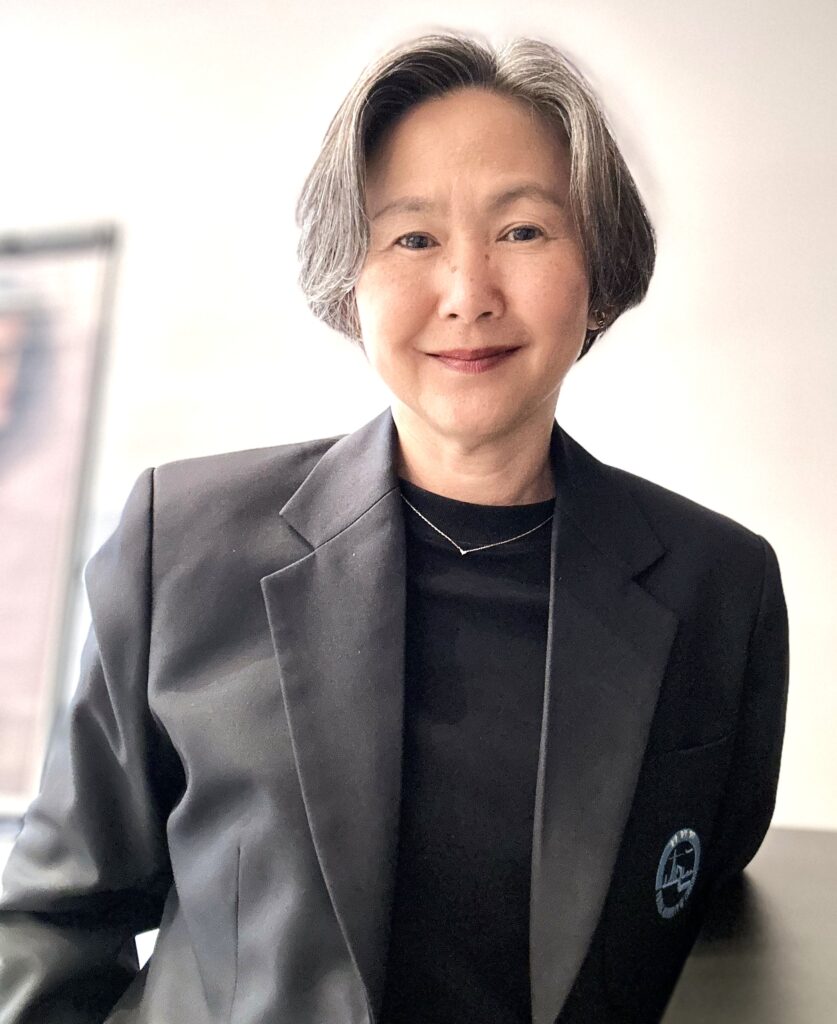
Ms. Cholada Siddhivarn
Director in charge of the Amazing Organic Initiative Project (2024), Tourism Authority of Thailand
“We are committed to encouraging tourists to understand and move in the same direction, to ensure the long-term sustainability of Thailand’s tourism resources.”
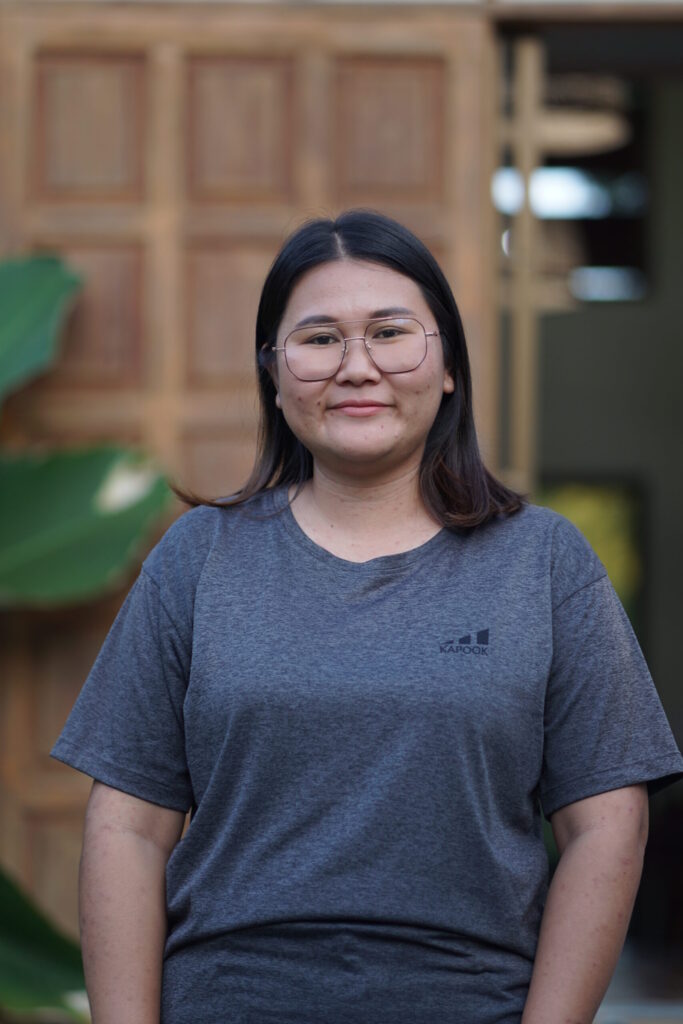
Ms. Fah-Nutsuda Karuna
Mae Tha Organic Community Enterprise Representative
“Sustainability is good for life, and now we want to share this with others. Tourism is our way to communicate who we are, what we do, and how we live.”
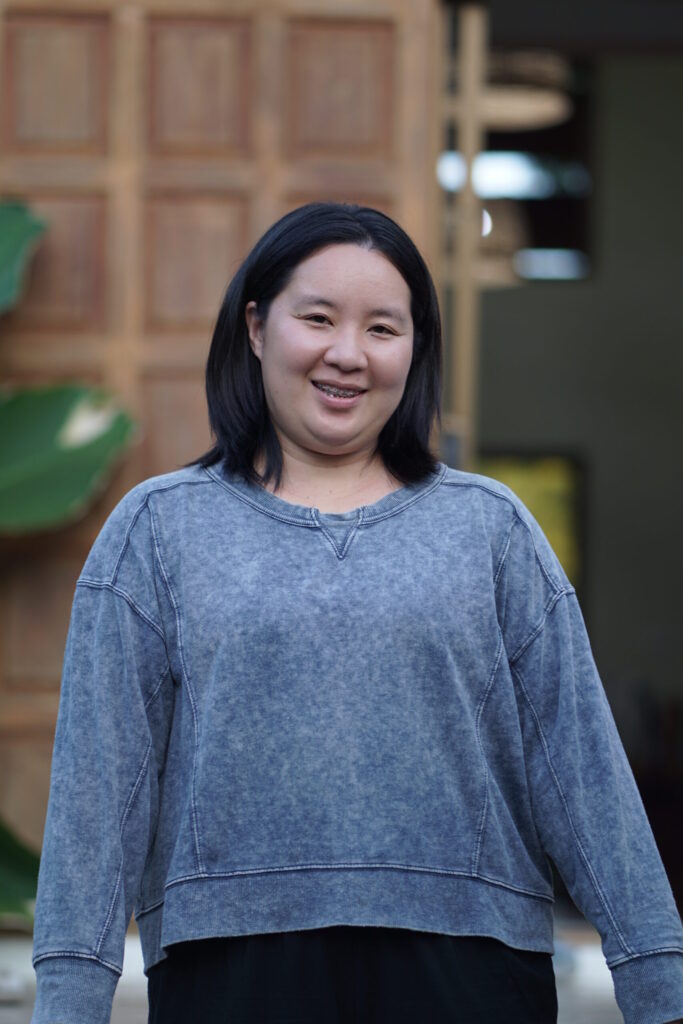
Ms. Ying -Jiratthitikan Kamgad
Mae Tha Organic Community Enterprise Representative