Published on January 23, 2026
From Cultural Assets to Global Acclaim: How Thailand’s Bo Suak Village Achieved Sustainable Tourism Excellence
Bo Suak Village in Nan Province, Thailand illustrates how carefully targeted government support, combined with strong local cultural pride and voluntary community participation, can support sustainable tourism development in a small, non-mainstream destination.
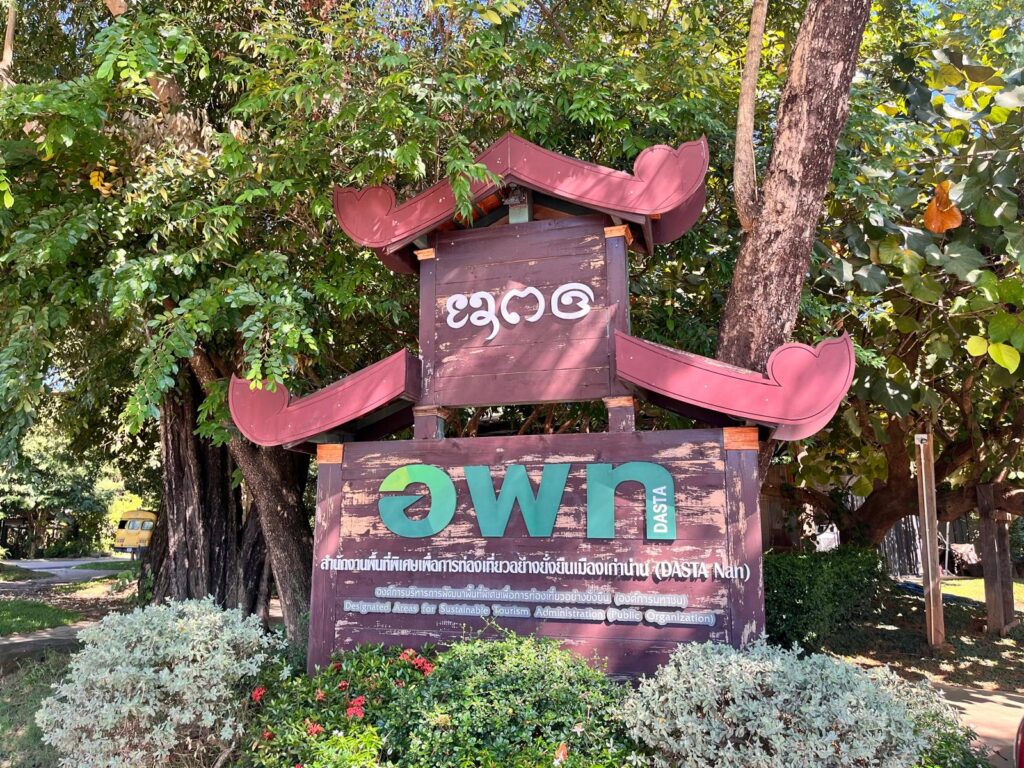
In 2024, Bo Suak became the first community in Thailand to receive the Best Tourism Village distinction from UN Tourism. This achievement reflects the outcome of a long-term initiative led by the Designated Areas for Sustainable Tourism Administration (DASTA). In Bo Suak, DASTA focused on capacity building, knowledge transfer, and co-created planning with local authorities and residents, supporting the transformation of living cultural heritage into tourism experiences that align with community values and local conditions.
| Project : | Sustainable Community-based Tourism Development of Bo Suak Village |
| Place : | Bo Suak Village, Nan Province, Thailand |
| Initiative : | Launched in 2012 with DASTA’s support, this initiative transformed a quiet agricultural community into Thailand’s first UN Tourism Best Tourism Village. Using a co-creation model, it emphasizes capacity building in guiding, creative tourism, product development, and CBT standards. |
| Actors : | Bo Suak Community-Based Tourism Promotion Club, Designated Areas for Sustainable Tourism Administration (DASTA), Local Authorities |
The “Slow Life” Foundation: Bo Suak’s Unique Identity
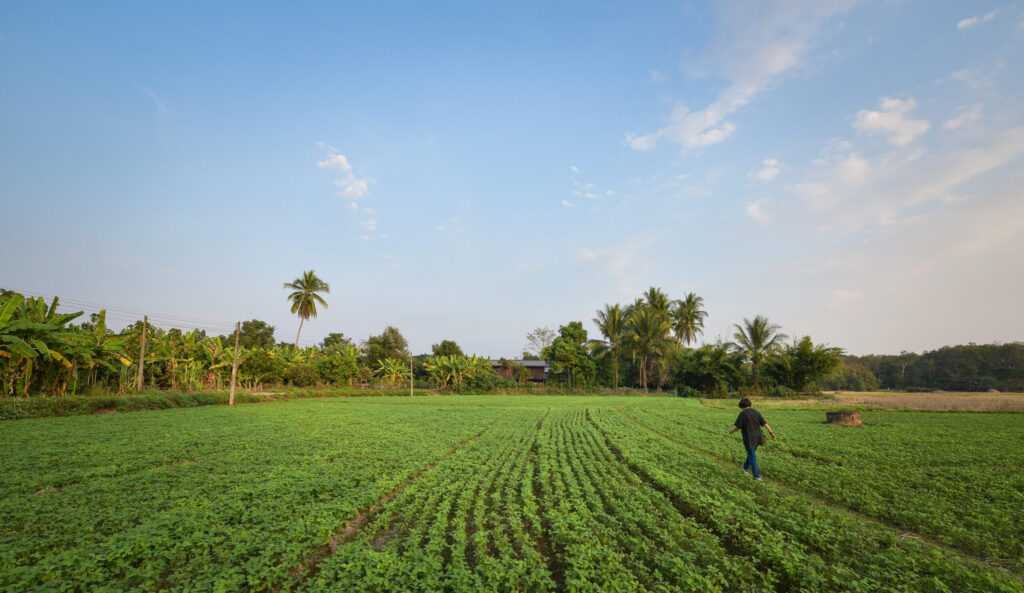
Photo: Coutesey of DASTA Nan
Bo Suak is not a manufactured tourism product, but an ancient community with living traditions. Located around 20 minutes from the town of Nan, the village retains a distinctly rural “slow life” character. Archaeological evidence indicates a history of more than 750 years, while livelihoods have long centred on agriculture and artisanal crafts such as weaving, pottery, and bamboo work.
At the heart of Bo Suak is its strong Lanna cultural heritage, shaped by long-standing beliefs, rituals, and community practices. Like many small rural communities, Bo Suak has faced youth out-migration and the gradual erosion of local knowledge. In response, residents chose to pursue tourism development through community self-management, motivated by cultural pride and the need to create local employment. This approach ensured that tourism would support the preservation of cultural identity and remain aligned with community aspirations, rather than replacing existing ways of life.
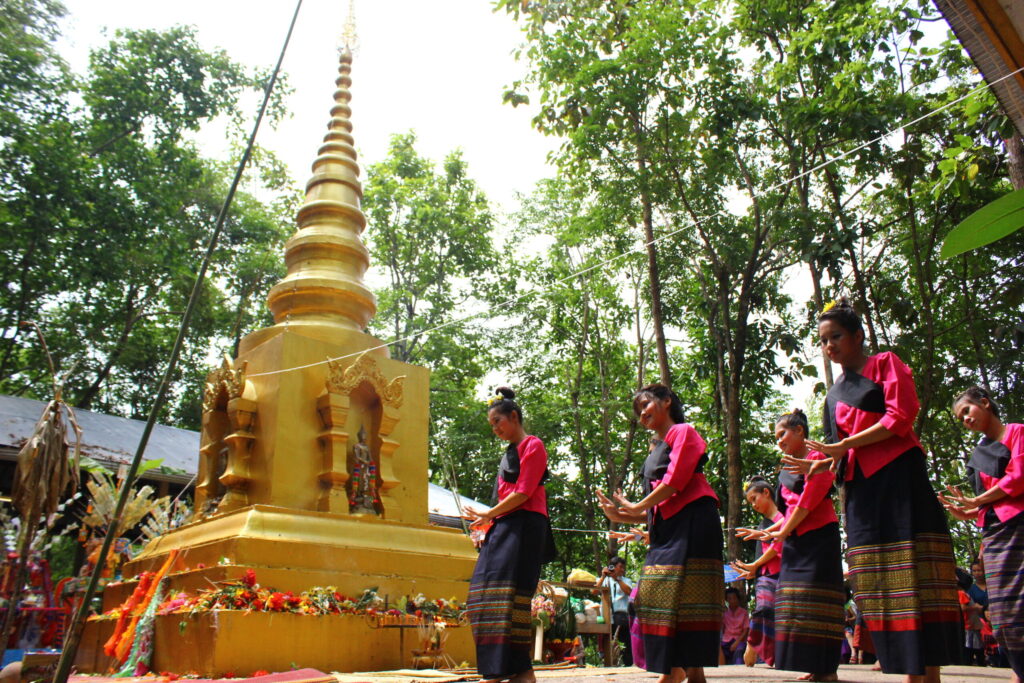
Photo: Coutesey of DASTA Nan
DASTA’s Strategic Approach: Co-Creation, Not Imposition
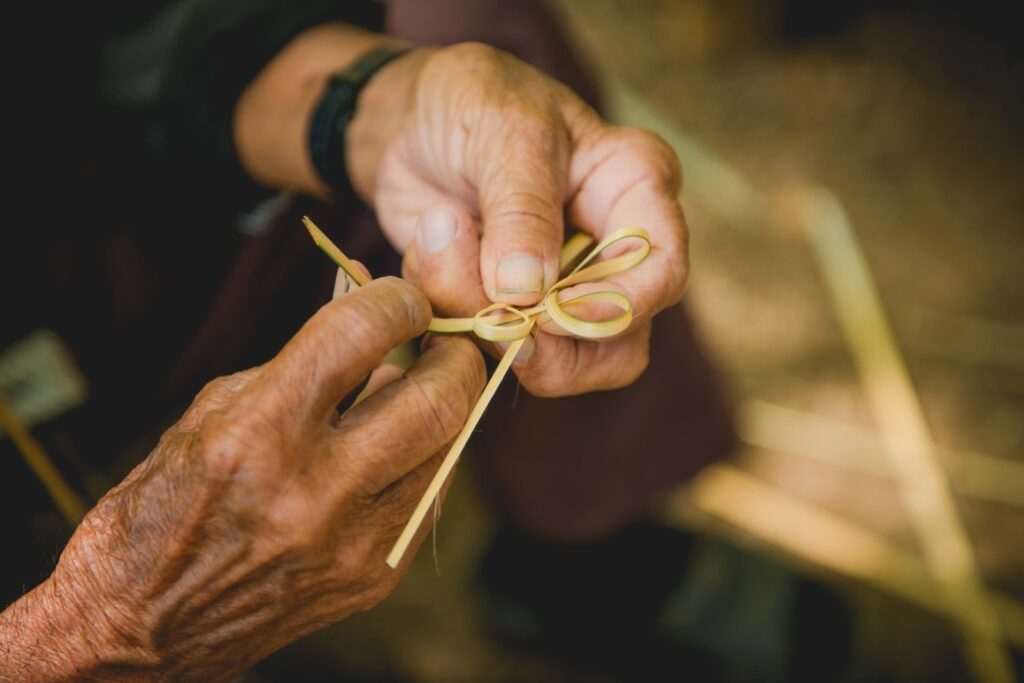
Photo: Courtesy of DASTA Nan
The effort to develop Bo Suak as a sustainable tourism destination began around 2012, in line with Thailand’s national strategy to integrate the Sustainable Development Goals (SDGs) into tourism policy. The Designated Areas for Sustainable Tourism Administration (DASTA) identified Bo Suak’s potential as a small rural community where sustainable tourism could be developed without pressure for mass visitation.
Crucially, DASTA did not apply a top-down model. As Mr. Raksa Chaeng, a DASTA Nan official, explains, DASTA’s role is one of “mentorship and facilitation, with the strategic goal of enhancing the community’s capacity to manage, operate, and equitably distribute tourism income sustainably.” Development was therefore guided by a participatory, area-based approach rooted in co-thinking, co-planning, co-acting, co-responsibility, co-benefiting, and co-ownership.
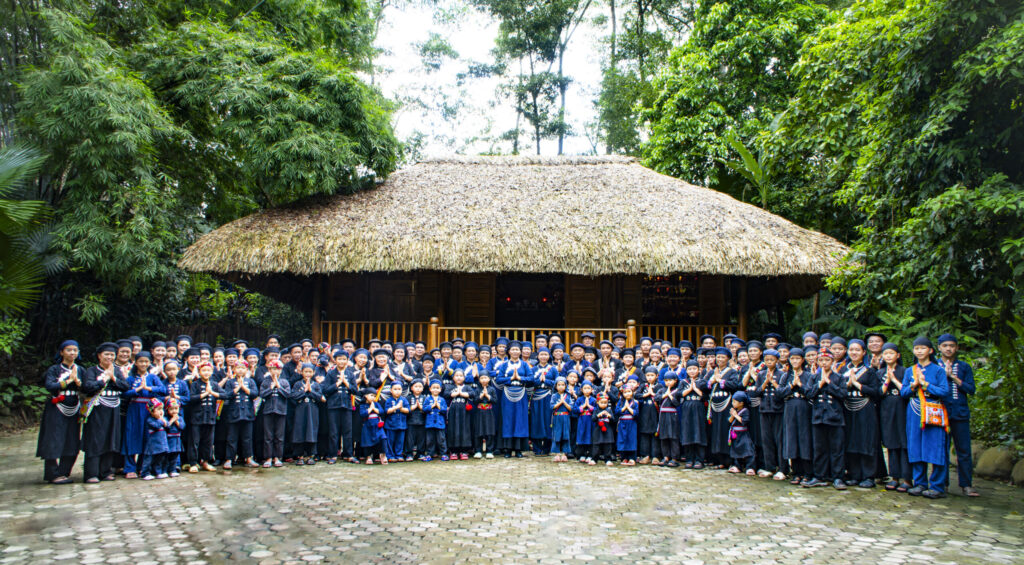
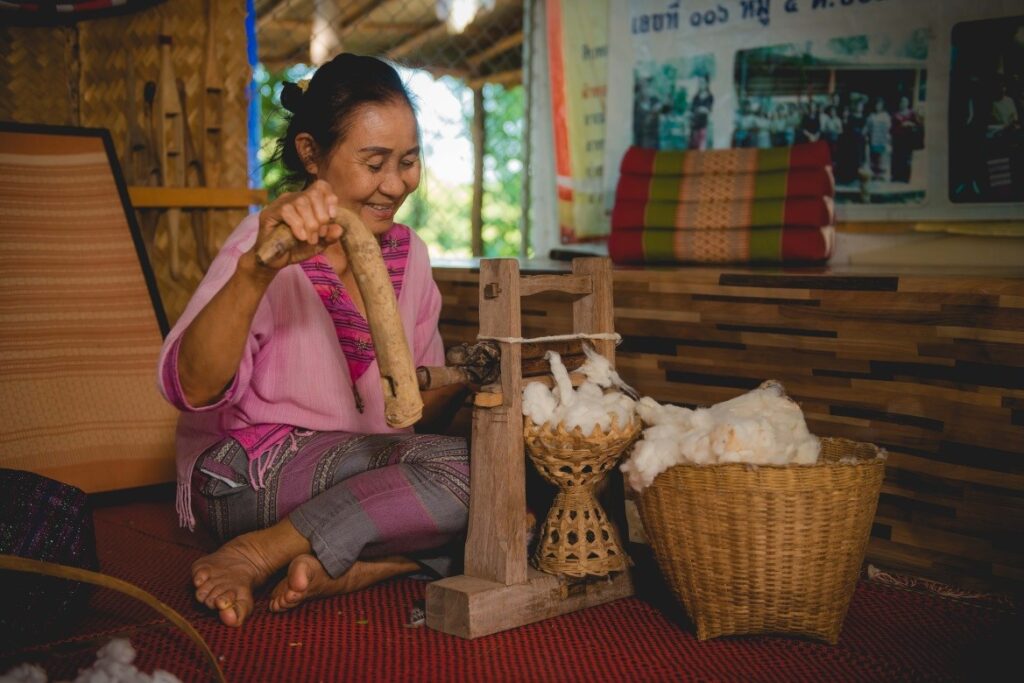
After conducting comprehensive research on local resources and sensitivities, DASTA shared its findings with local authorities and village leaders to assess interest in tourism development. It then worked closely with local occupational groups to transform traditional livelihoods into experiential learning bases. Rather than simply producing goods for sale, artisans became storytellers, sharing the meaning, history, and cultural significance behind their crafts. Visitors engage in hands-on activities such as pottery, bamboo weaving, and textile weaving, creating meaningful exchanges between hosts and guests while adding value to local craftsmanship.
This inclusive process led to the formation of the Bo Suak Community-Based Tourism Promotion Club, composed of weaving groups, craft cooperatives, culinary groups, and other key sectors. The Club became the community’s management and decision-making hub, ensuring that tourism development remained community driven.
The Engine of Success: Capacity Building and Knowledge Sharing
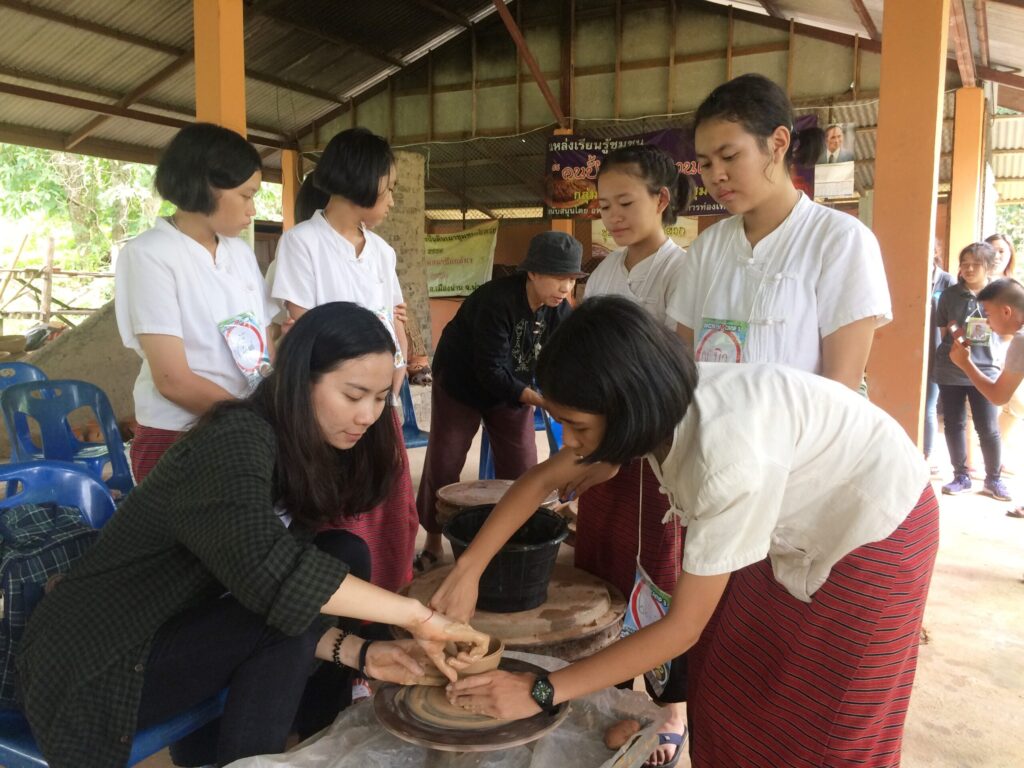
Photo: Courtesy of DASTA Nan
DASTA placed strong emphasis on strengthening local capacity to transform cultural assets into sustainable tourism experiences. Residents were supported to design and deliver hands-on workshops, such as weaving, pottery, and craft-making, that allow visitors to engage with local heritage. Training also focused on building communication confidence, enabling community members to act as knowledgeable local guides and facilitators.
In parallel, communities were trained in Thailand’s GSTC-recognised Community-Based Tourism standards, covering areas such as governance and administration, socio-economic management, cultural preservation, environmental stewardship, and service quality. These programmes progressively strengthened skills, confidence, and long-term motivation.
Impact and Recognition: A Scalable Model for Thailand and Beyond
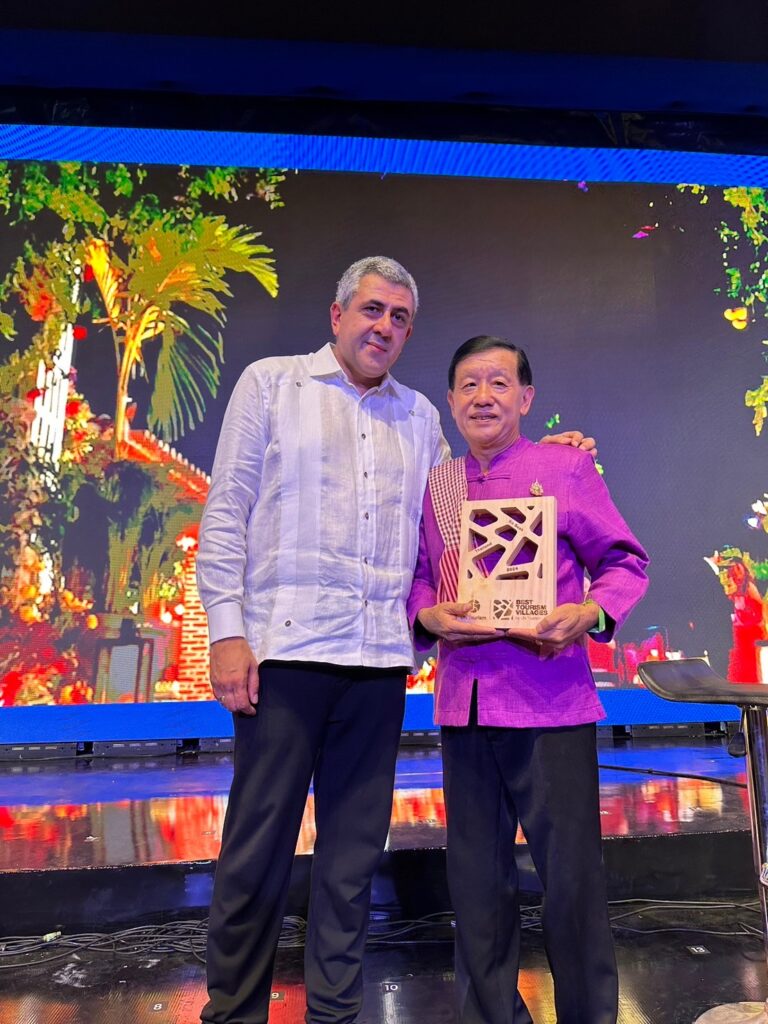
Photo: Coutesey of DASTA Nan
Since formal development began in 2012, Bo Suak has achieved transformative results. Progress in community-based tourism helped leverage public investment in essential infrastructure, including improved roads, lighting, and water systems, delivering benefits well beyond the tourism sector. Tourism activities created new employment opportunities, diversified income sources, and contributed to a steady increase in visitors, from around 1,000–2,000 annually in the early post-COVID period to approximately 50,000 in 2023.
As Mr. Suthipong Duangmaneerat, Chair of the Bo Suak Community-Based Tourism Promotion Club, notes, “Tourism serves as a tool for developing and enhancing existing valuable resources, generating supplementary income and improving quality of life. Most importantly, we take pride in preserving our cultural heritage.” The UN Tourism Best Tourism Village award in 2024 further strengthened community pride and supported continued collaboration with government agencies to maintain and improve standards.
Today, Bo Suak is recognised as a leading case study within DASTA’s portfolio and actively shares its experience through national and international knowledge-exchange networks. The case demonstrates how strategic government guidance, combined with strong local ownership, can support sustainable tourism development. As one of Thailand’s leading community-based tourism examples, Bo Suak offers a practical model for how community-led approaches can safeguard cultural heritage while generating sustainable and equitable livelihoods.
Interviewee
Mr. Suthipong Duangmaneerat
The Chair of Bo Suak Community Based Tourism Club
Mr. Raksa Chaengkrachang
Designated Areas Development Officer, DASTA Nan office