Published on March 24, 2026
Community Ecotourism Empowering Livelihoods at Balinsasayao Twin Lakes
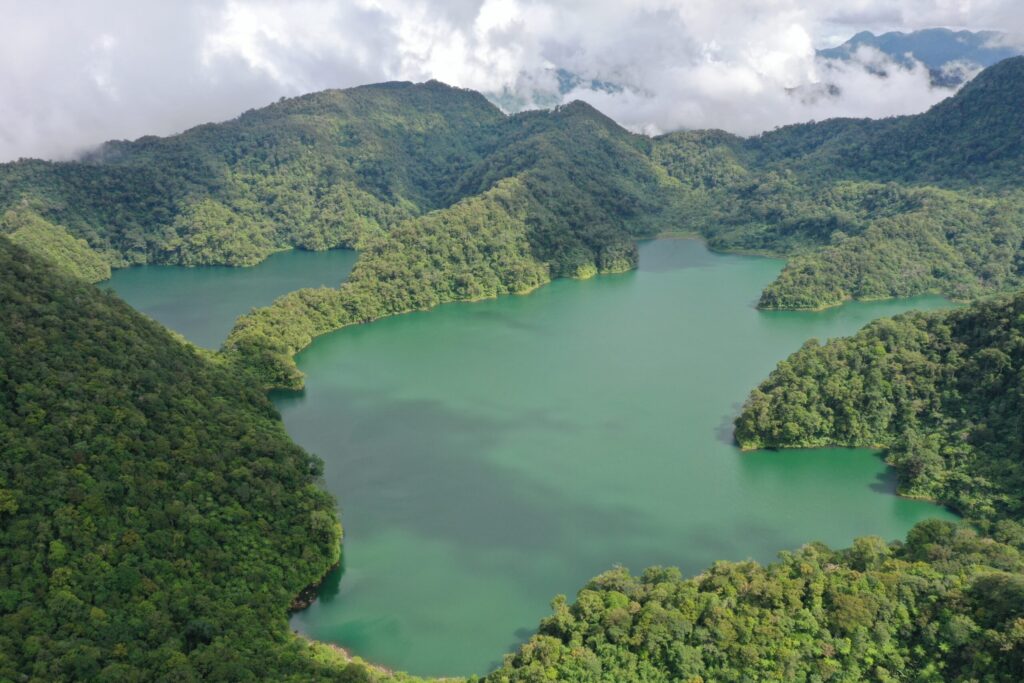
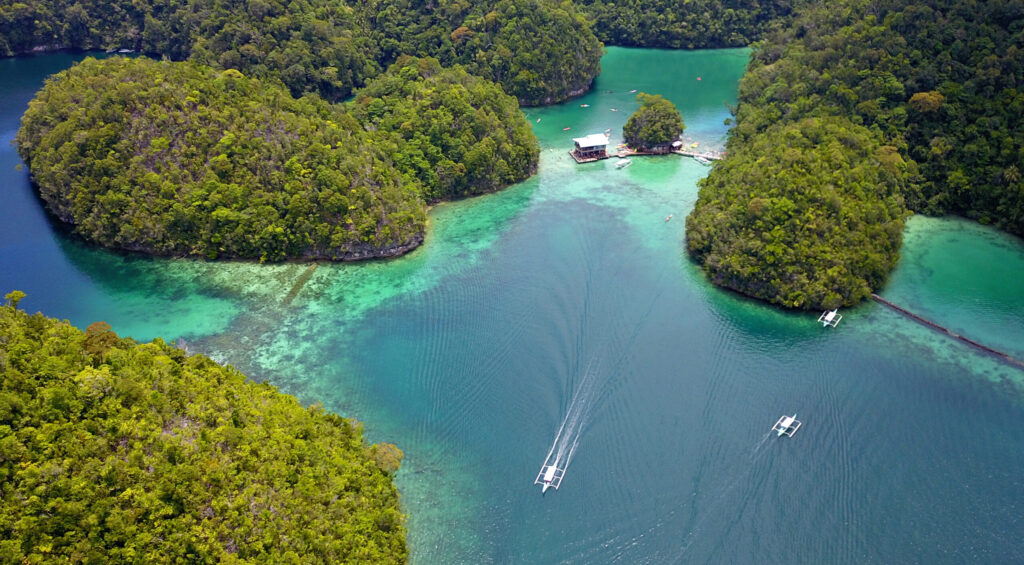
Surrounded by lush forests and volcanic landscapes on Negros Island in the Philippines, Balinsasayao Twin Lakes Natural Park is renowned for its twin crater lakes and rich biodiversity. Long valued for its natural beauty, the protected area has evolved into a model for community-based ecotourism that supports both conservation and local livelihoods.
Since the early 2000s, tourism in the park has been managed through a collaborative partnership between government agencies and the Balinsasayaw Twin Lakes Farmers Association, a community organisation composed primarily of local residents living around the protected landscape. Through guiding services, boating, kayaking, dining, and visitor management, community members play a central role in delivering tourism experiences while safeguarding the park’s ecosystems.
| Project : | Balinsasayao Twin Lakes Natural Park (BTLNP) Community-based Ecotourism Program |
| Place : | Balinsasayao Twin Lakes Natural Park, Negros Oriental, Philippines |
| Initiative : | The community-based ecotourism initiative at Balinsasayao Twin Lakes Natural Park creates sustainable livelihood opportunities for local communities. Through the Balinsasayaw Twin Lakes Farmers Association, around 64 families manage tourism services including guiding, boating, kayaking, and dining, while tourism revenues support community livelihoods, park maintenance, environmental protection, and local capacity building. |
| Actors : | Balinsasayaw Twin Lakes Farmers Association Inc.(PO), Protected Area Management Office- Balinsasayao Twin Lakes Natural Park (PAMO-BTLNP), Department of Tourism, Department of Environment and Natural Resources |
From Farming Community to Tourism Partnership
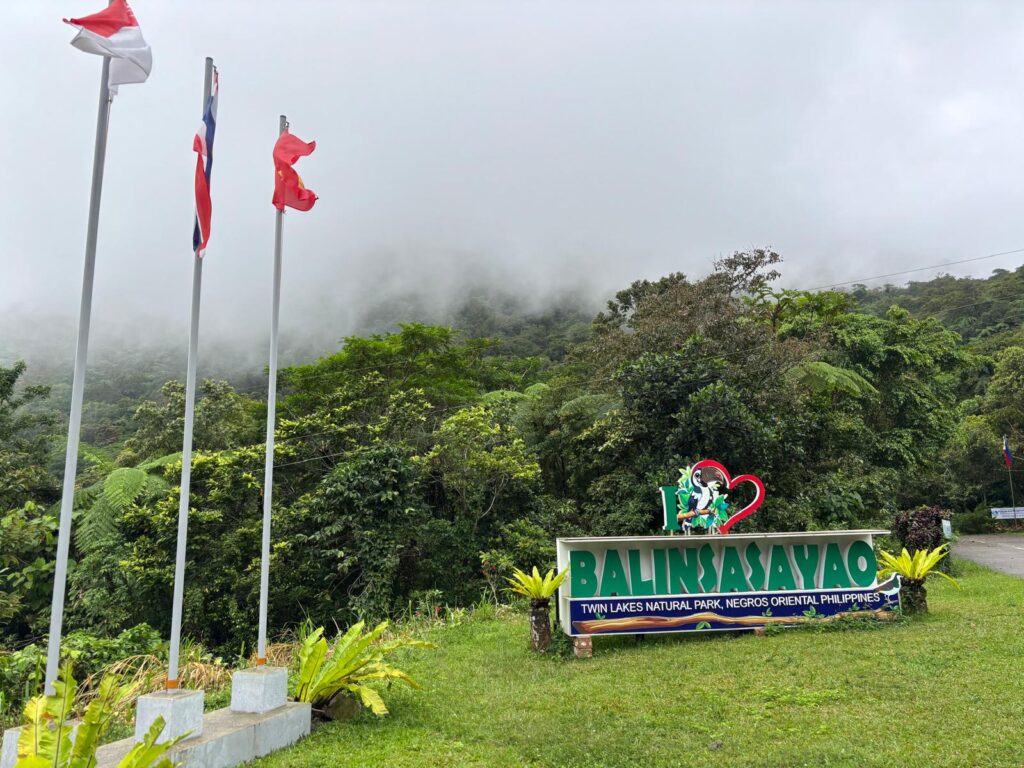
Before the park was formally protected, many residents living near Balinsasayao Twin Lakes Natural Park relied primarily on farming and subsistence activities. Crops such as rice, corn, bananas, and vegetables were cultivated locally, and in earlier decades wildlife hunting was practised.
When the area was designated as a protected natural park in 2000, conservation policies restricted certain activities around the lakes. Some families were relocated from areas near the water, creating an urgent need for alternative and sustainable livelihood opportunities.
At the same time, visitors had already begun travelling to the lakes to enjoy the scenery. Tourism, however, remained informal, with visitors arriving independently and without guides or organised visitor services.
This prompted residents to establish the Balinsasayaw Twin Lakes Farmers Association Inc., which represents the community and collaborates with government agencies in managing tourism and conservation activities.
Mr Rico C. Mier, President of the Association, explains that the organisation was formed to support the community, promote sustainable livelihood opportunities, and protect the environment around the Twin Lakes area.
A Community Organisation Managing Tourism
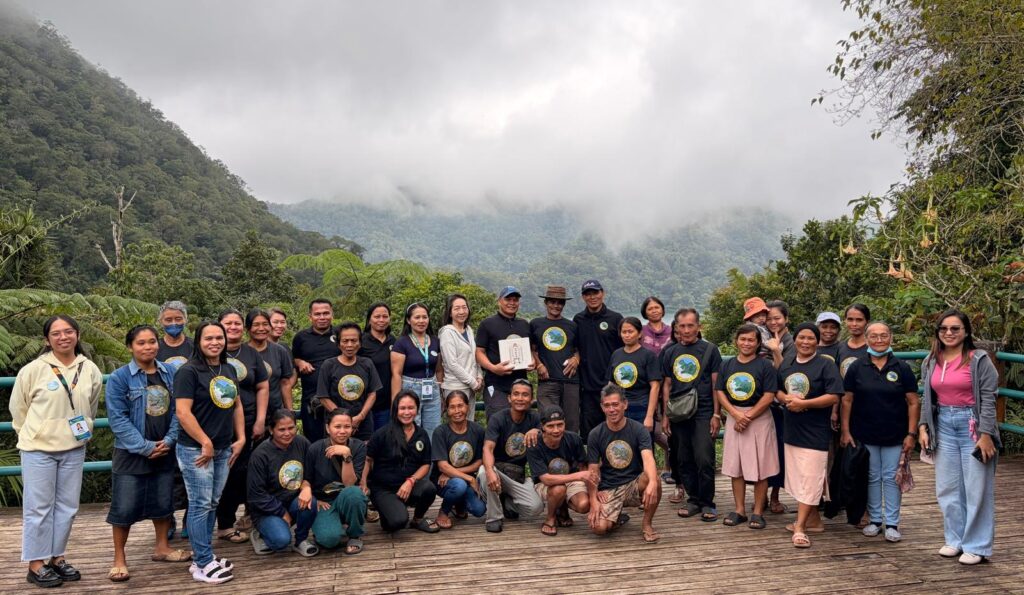
Today, the association has 200 members representing 64 families living in communities around the lakes. It operates under a community-based governance structure with elected officers, including a president, secretary, treasurer, and board members responsible for overseeing a range of activities.
Members meet regularly to discuss tourism management and community initiatives, with decisions made collectively through discussion and voting. This participatory approach ensures that all members have a voice in shaping how tourism develops.
Beyond tourism operations, the association also undertakes environmental stewardship activities, including maintaining visitor facilities, cleaning access roads, and supporting park management.
Developing Tourism Experiences from Local Knowledge
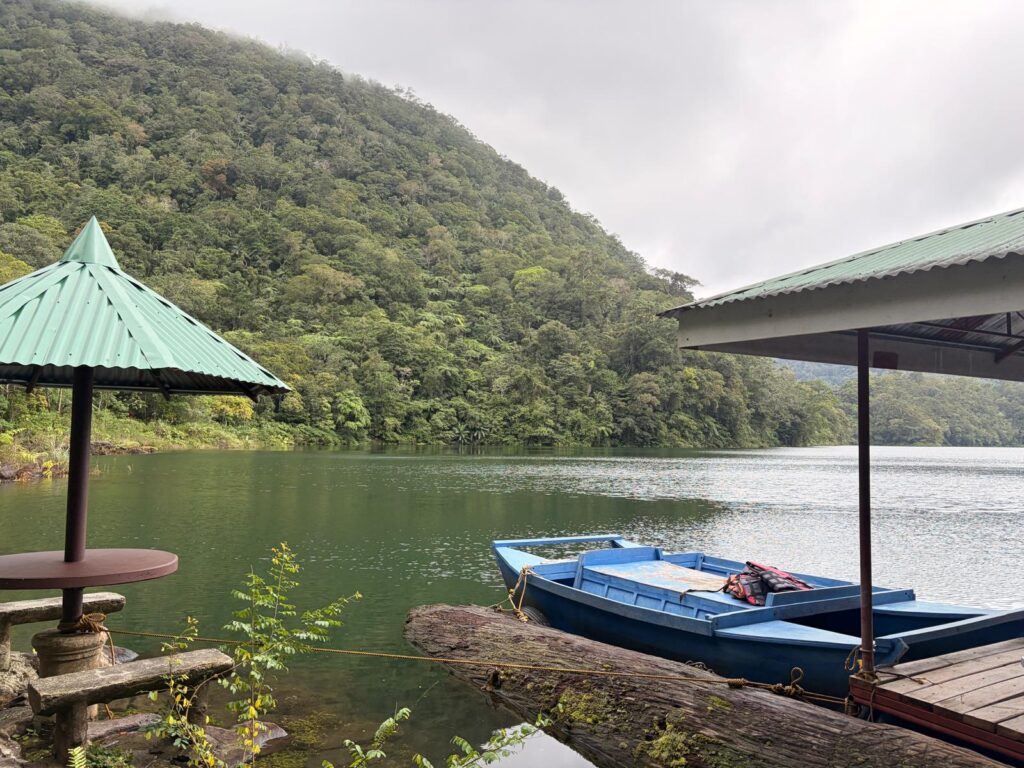
Local knowledge has played a key role in shaping tourism activities in the park. Community members have identified suitable hiking routes, birdwatching locations, and areas for boating and kayaking, forming the basis of the park’s ecotourism offerings.
Today, the Balinsasayaw Twin Lakes Farmers Association manages a range of services, including guided nature and birdwatching tours, boating and kayaking on the lakes, food and dining services, and the maintenance of visitor facilities and park areas.
Currently, 19 trained local residents work as tour guides, providing interpretation of the park’s ecosystems and communicating conservation guidelines to visitors.
Tourism activities are carefully managed within designated zones to protect wildlife habitats. Visitors follow specific routes and are accompanied by guides, helping to minimise environmental disturbance while ensuring a high-quality visitor experience.
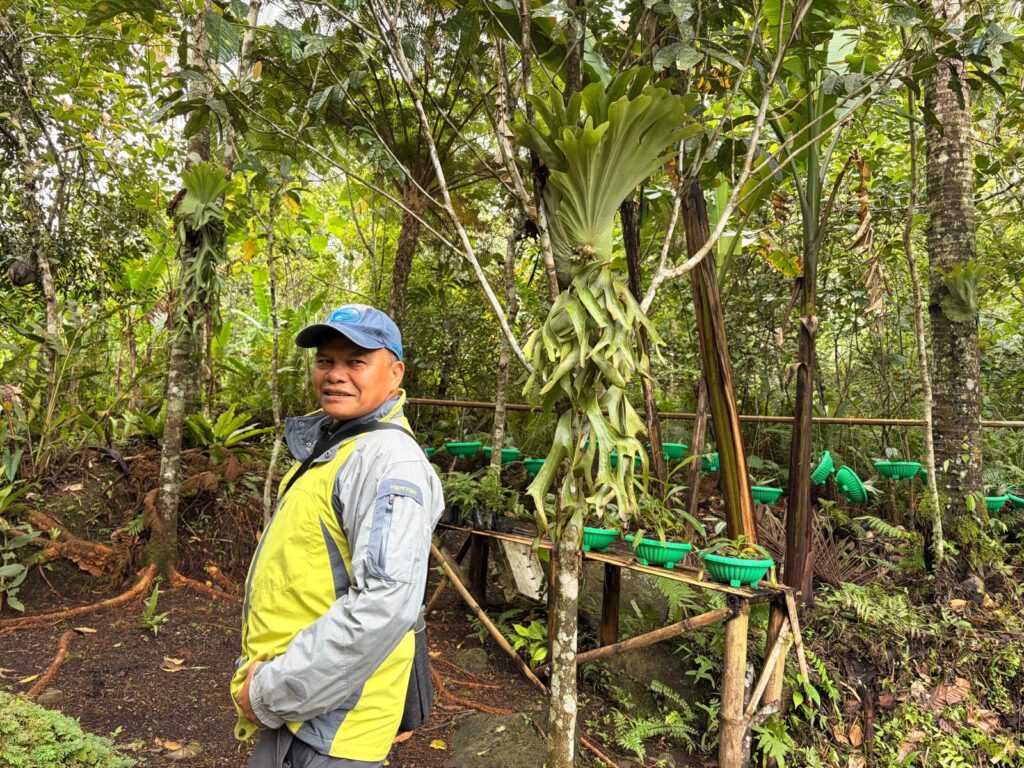
Building Skills Through Training and Knowledge Sharing
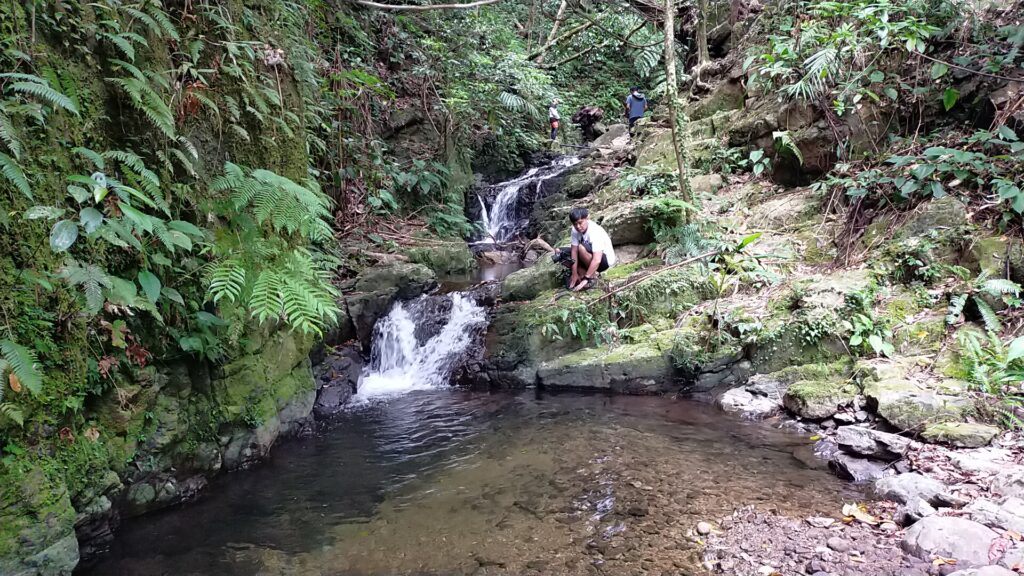
When the initiative began, most residents had no formal experience in tourism. Capacity-building programmes delivered by the Department of Tourism and park authorities therefore played a crucial role in developing the skills needed to manage ecotourism activities.
Community members trained in tour guiding, visitor safety, environmental conservation, and hospitality. Specialised courses included water safety and emergency response. Residents progressively built the confidence and capabilities required to deliver tourism services.
These efforts have strengthened local ownership of the initiative. As one community member explains, “We are motivated because we are the ones managing this place.”
Community Benefits and Local Livelihoods
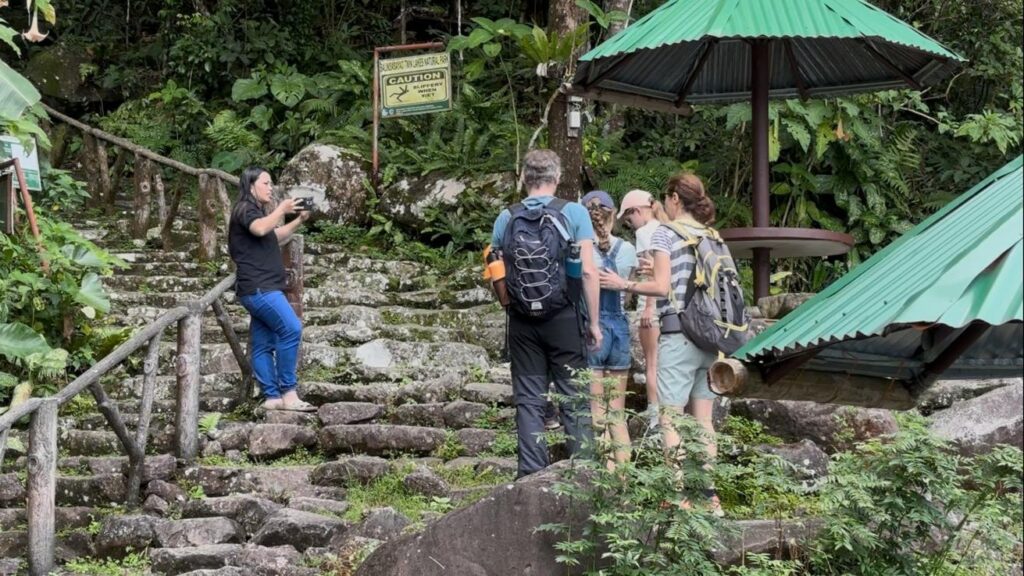
Tourism revenue generated in the park is managed through the association, providing a structured approach to sharing benefits among members.
Income from guiding, boating, dining services, and other tourism activities is recorded and distributed according to agreed arrangements. A portion of the revenue is allocated to park maintenance and environmental protection, while the remainder supports community programmes and member livelihoods.esses address environmental challenges and improve operational efficiency.
For many residents, tourism complements traditional sources of income and offers a more stable way of life, particularly when visitor numbers are consistent.
Ms Haide B. Zerna, a local tour guide, explains. “Previously, I was a farmer, but now I also work as a local guide. Tourism provides a more stable income when visitors come.”
Environmental Stewardship Through Tourism
Community involvement in tourism has strengthened environmental awareness and protection in the park. Local guides provide visitors with clear guidance on conservation rules and responsible behaviour, helping to reinforce sustainable practices.
Tourism activities are managed within designated routes and activity zones to safeguard wildlife habitats and sensitive ecosystems. Community members also monitor visitor behaviour and work closely with park authorities to support environmental protection measures.
As tourism continues to grow, this collaborative approach ensures that conservation remains a top priority.
Interviewees
Mr. Rico C. Mier, President
Balinsasayaw Twin Lakes Farmers Association Inc.
Ms. Judith P. Magbanua
APASu, BTLNP
Ms. Haide B. Zerna
Local Tour guide