Published on January 23, 2026
The Royal Custodians: How Wukirsari Village Professionalised a 400-Year Batik Legacy
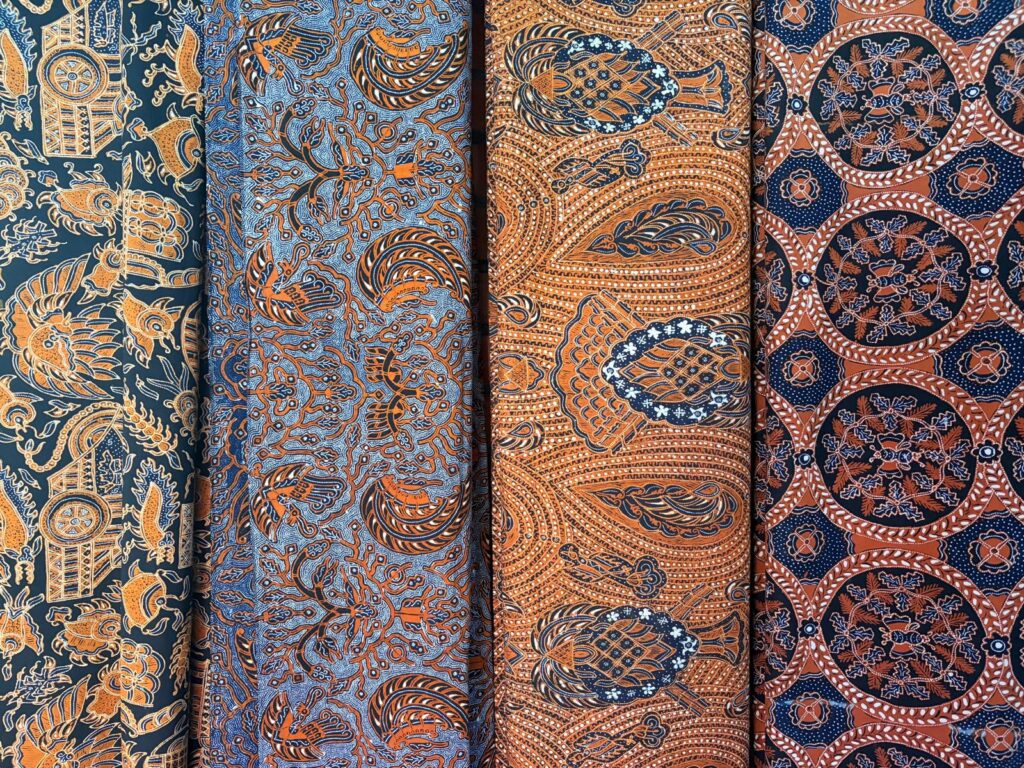
In the landscape of sustainable tourism, Wukirsari Village in Yogyakarta offers a compelling example of how a community can honour its royal heritage while building a modern, self-reliant future. For more than four centuries, the artisans of the Giriloyo hamlet have been entrusted with producing the Yogyakarta Sultanate’s most sacred textiles. Today, Wukirsari has evolved into a recognised benchmark for community-led edu-tourism and content development, demonstrating that cultural heritage is most resilient when local communities are empowered to act as its primary stewards.
| Project : | Edu Tourism of Traditional Batik Giriloyo |
| Place : | Wukisari Village, Yogyakarta, Indonesia |
| Initiative : | A community-led social enterprise that evolved from a royal workshop into a fully independent cooperative. It utilises a National Certification System for artisans and guides, ensuring the majority of revenue stays within the village. |
| Actors : | Paguyuban Batik Giriloyo (Cooperative), Ministry of Industry, Ministry of Tourism and 640+ local batik artisans |
A Heritage Passed Between Generations
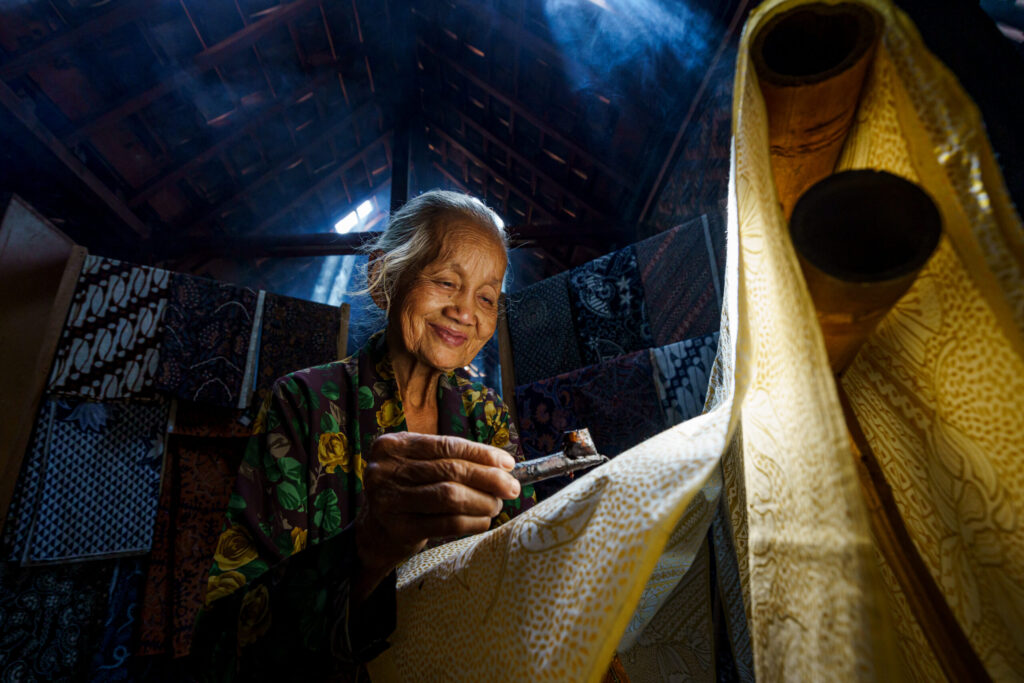
Photo: Coutesey of Wukisari Tourism Village
The history of Giriloyo is shaped by a deep, matrilineal loyalty to the Mataram Kingdom. In 1634, Sultan Agung established the royal cemetery at Imogiri and appointed the villagers as its custodians. As a result of this trust, the palace delegated a crucial yet partial role in royal batik production to these families, specifically the wax-drawing technique. This responsibility gave rise to a tradition passed down from mother to daughter for centuries. As Soraya, a village native and a member of the Research and Cooperation Division of the Giriloyo Batik Village Community, explains:
“I learned batik from my mother, and my mother learned it from my grandmother, and so on. Batik skills used to be taught and learned in every family. Women in Giriloyo are expected to be able to do batik, and that value is deeply rooted in our village.”
For generations, this arrangement functioned as a collaborative labour of care and discipline. The women of Giriloyo specialised in drawing the intricate motifs, while the palace completed the final stages of production. Built on service and trust, this relationship ensured that the Sultanate’s philosophically rich patterns were preserved with meditative precision.
An Evolution of Stewardship
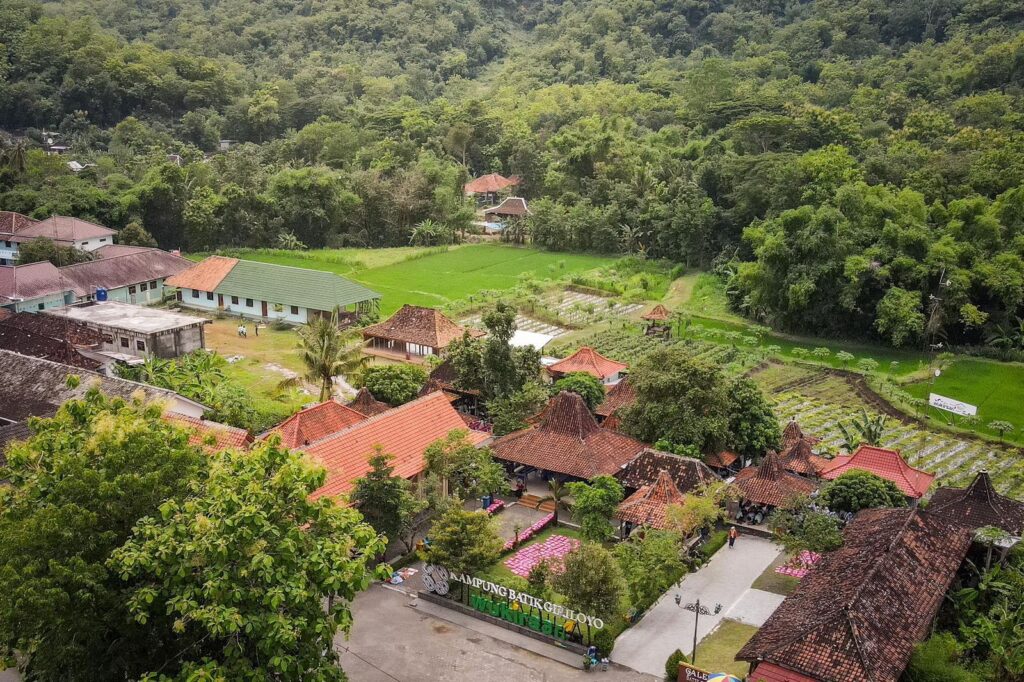
The catastrophic earthquake of 2006 devastated Wukirsari, but it also marked a turning point. During the recovery period, supported by international partners such as JICA, the community recognised that safeguarding their royal craft required greater control over the entire production process, from the first line of wax to the final dyeing stage.
Rather than remaining a specialised workshop, the village established the Paguyuban Batik Giriloyo (Giriloyo Batik Cooperative). This shift was formalised through a rigorous national certification system. Today, Wukirsari is home to dozens of nationally certified cultural tour guides and master artisans, reflecting a level of professionalisation that helps protect authentic Batik Tulis (hand-drawn batik) from machine-printed imitations.
The Power of Community Governance
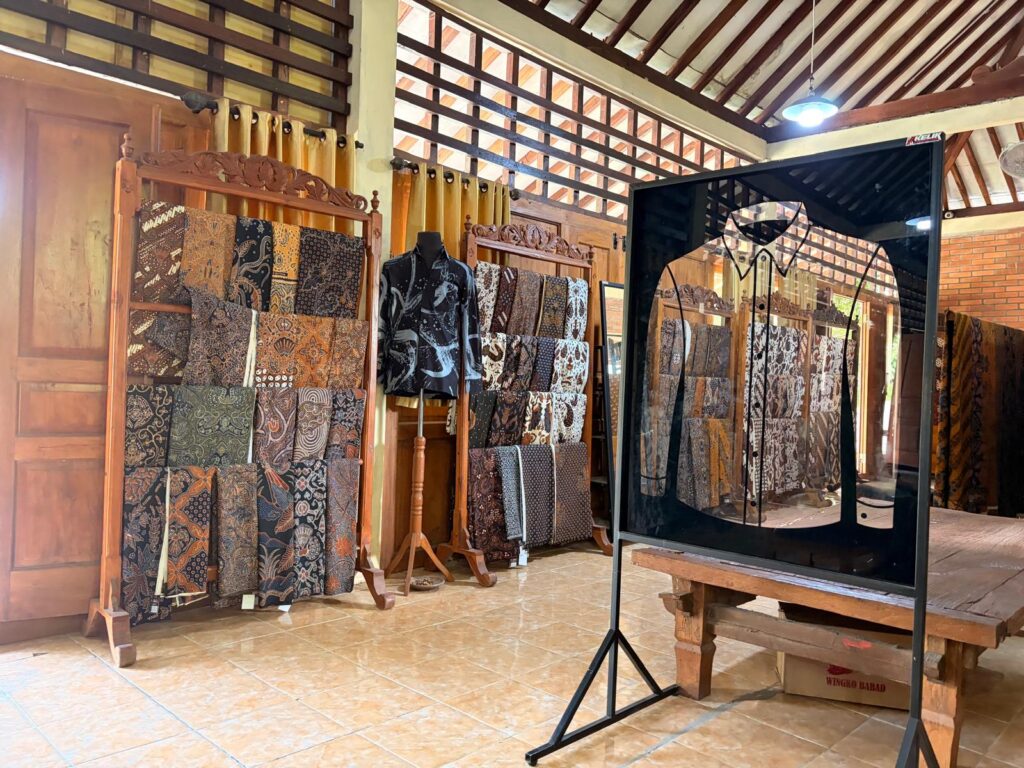
The village operates as a social enterprise to ensure that its heritage remains in the hands of the original families. The cooperative manages a central gallery, where an internal curation system evaluates every piece before it is offered for sale. By refusing consignment and keeping all sales within the village, the model ensures that visitors meet the makers directly, transforming each purchase into a meaningful cultural exchange.
This direct-to-consumer approach is underpinned by a high level of transparency in income distribution: 80% of the sale price is paid directly to the individual artisan, while the remaining 20% is allocated to community funds and gallery maintenance.eritage, tourism income helps ensure that agriculture remains a viable and respected livelihood rather than one abandoned by younger generations.
Navigating the Challenges of Modernity
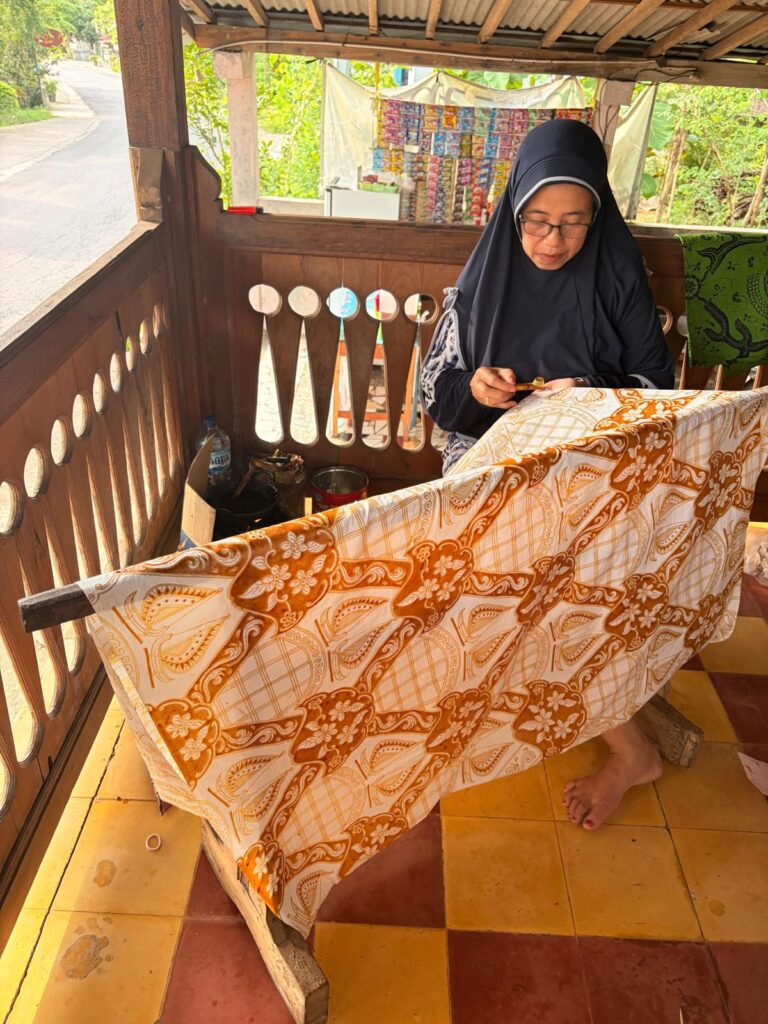
Despite its success, Wukirsari faces the demographic pressures common to many traditional craft communities. In 2007, the village was home to approximately 1,000 artisans; today, that number has declined to around 640. This reduction reflects the natural retirement of the older generation, as well as the fact that younger women now have access to a wider range of career opportunities in fields such as science and industry.
At the same time, this contraction in workforce has been accompanied by a rise in global cultural value. Giriloyo has become a focal point for academic interest, receiving nearly 100 research proposals each year. This sustained scholarly attention, combined with frequent coverage in national media, has positioned the village as a living laboratory for sustainable development and cultural preservation.
A Transformation of Well-Being
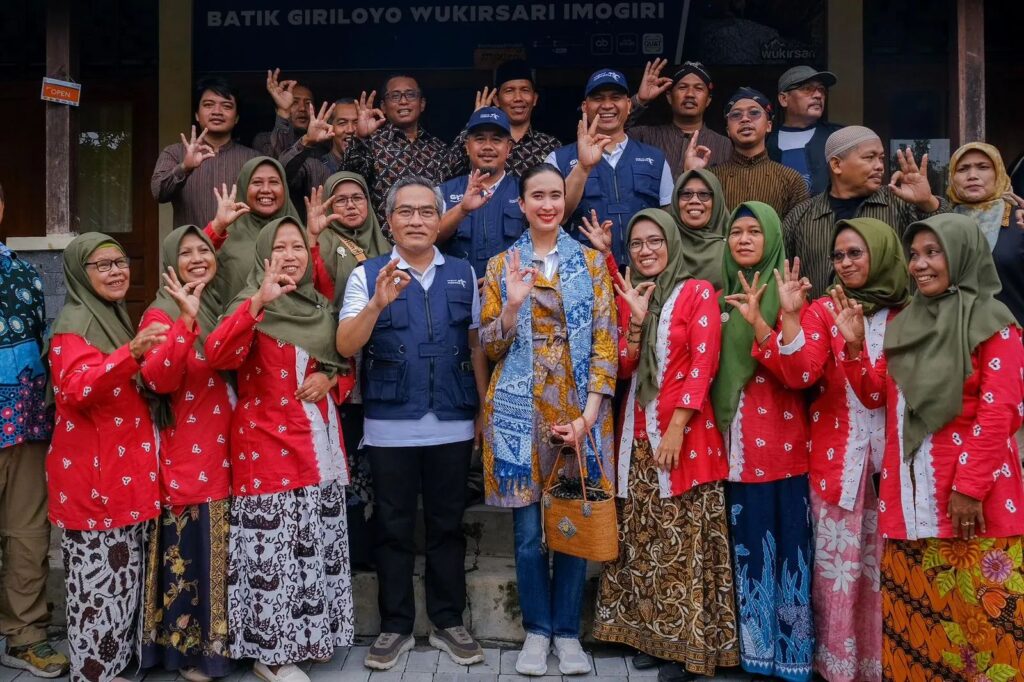
Photo: Courtesy of Wukisari Tourism Village
Ultimately, the success of the Giriloyo model is measured not only in textiles sold, but in the educational advancement of the village’s younger generation. Soraya’s own experience offers clear evidence of this social transformation. Having witnessed the village’s resilience during her childhood, she later benefited from the income her mother earned as a batik artisan, which enabled Soraya to pursue a Master’s degree in Japan:
“I am a living witness to the improvement in social well-being. Previously, we lived in poverty, but through initiatives like the Batik Village, my mother was able to send me to higher education.”
Today, the village generates approximately JPY 21 million in annual revenue. By prioritising quality tourism—particularly through hosting high-value research groups from institutions, Giriloyo ensures that its 400-year relationship with the palace remains not merely a historical legacy, but a sustainable, contemporary foundation for future generations.
Interviewee
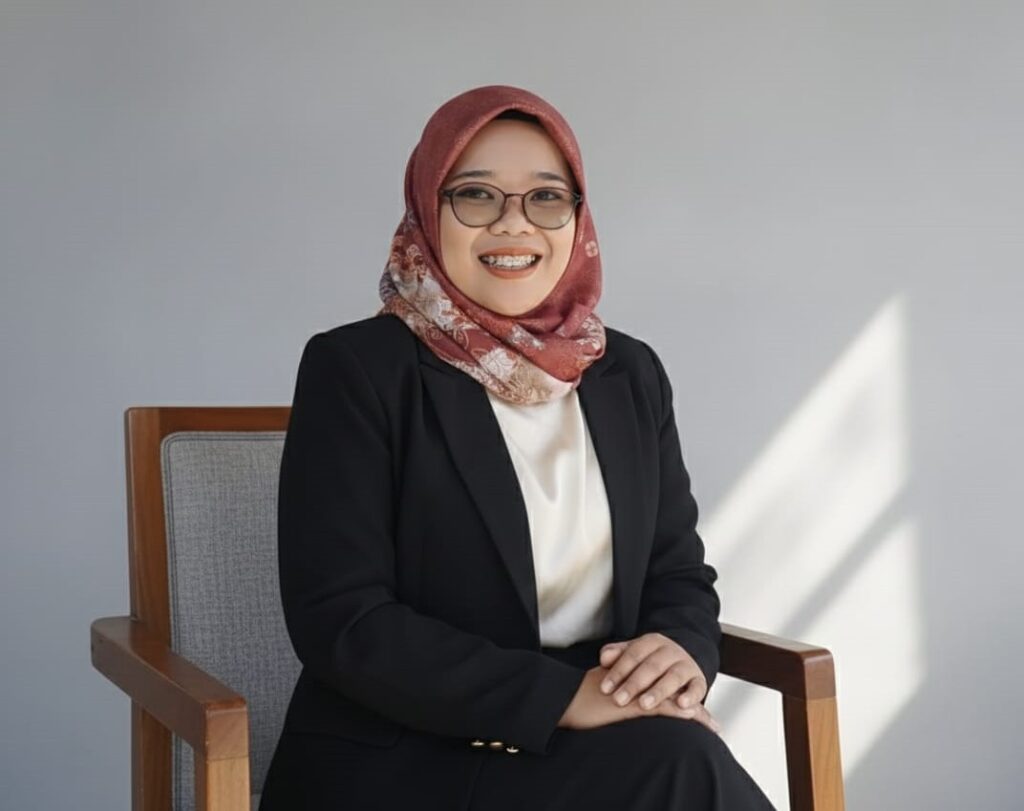
Ms. Tiyastiti Suraya
Member of Research and Cooperation Division in Giriloyo Batik Village Community