Published on January 21, 2026
Preserving the Sacred Pulse of Bali: Where Tradition Leads and Tourism Follows
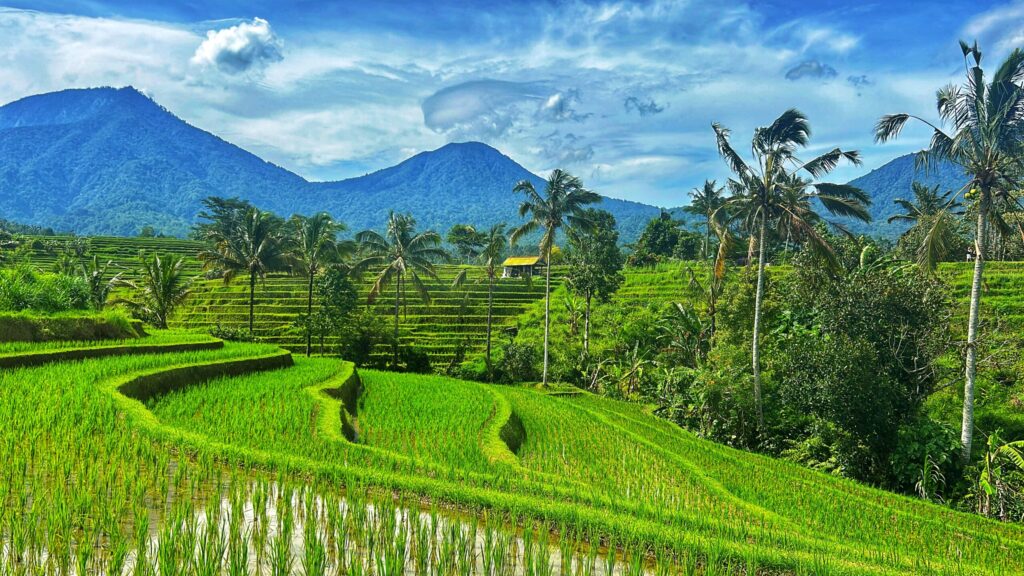
High in the fertile highlands of Tabanan, Bali lie the rice terraces of Jatiluwih, shaped by centuries of careful stewardship. Recognised as a UNESCO World Cultural Heritage site in 2012 and named one of UN Tourism’s Best Tourism Villages in 2024, Jatiluwih has become an international reference point for sustainable rural tourism.
In spite of this growing global recognition, the village’s tourism manager, Mr John K. Purna, is clear that tourism itself is not the goal. For the community of Jatiluwih, tourism income is regarded as a “secondary benefit”; the primary responsibility remains the protection of the Subak system, the rice terraces, and sacred rituals inherited from their ancestors.
| Project : | Jatiluwih Tourism Village: Preserving Cultural Heritage and the Subak System through Tourism |
| Place : | Jatiluwih Village, Penebel District, Tabanan Regency, Bali, Indonesia |
| Initiative : | Jatiluwih implements a circular economic model where tourism revenues are reinvested to fund agricultural fertilizers and religious ceremonies for local farmers. This financial support ensures the continuity of the UNESCO-listed Subak system. By employing 100% local staff and maintaining transparent governance, the initiative prioritizes the protection of cultural heritage above all else. |
| Actors : | Operational Management of Jatiluwih Tourist Attraction, local Subak farmers, and the residents of Jatiluwih Village. |
The Subak: More Than Just Farming
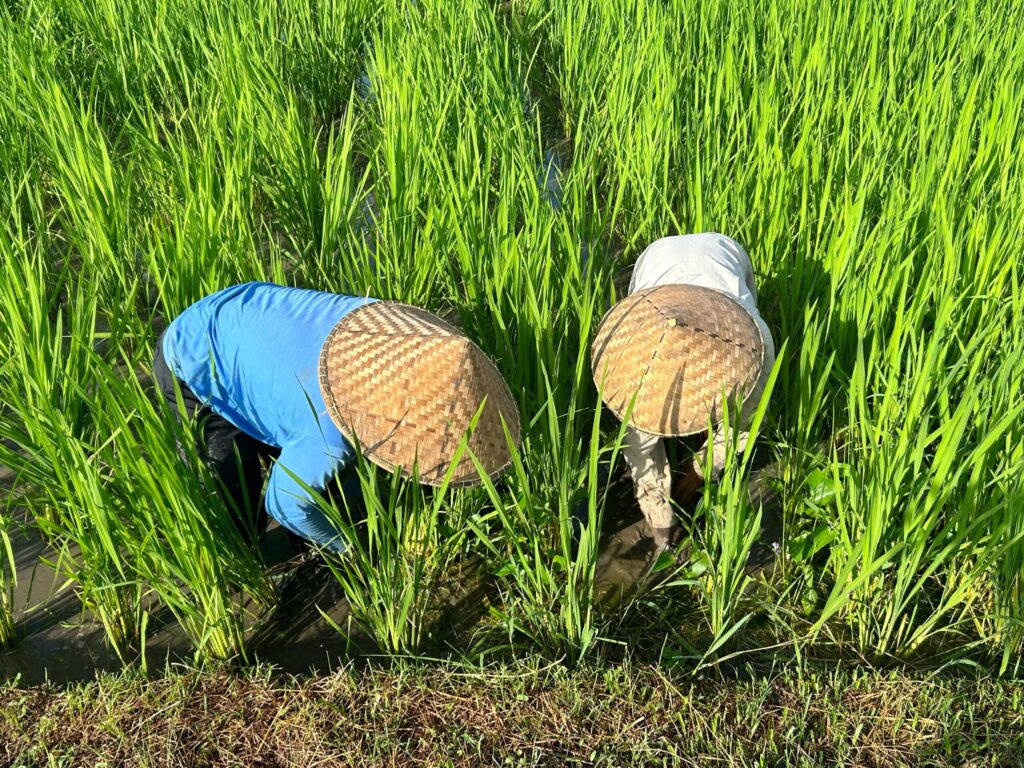
Photo: Courtesy of Jatiluwih Tourism Village
Understanding Jatiluwih requires looking beyond its scenic beauty to the Subak system that sustains it. Dating back to the ninth century, Subak is not simply an irrigation method but a living social and spiritual institution. It embodies Tri Hita Karana, a Balinese Hindu philosophy that seeks harmony between people, nature, and the spiritual realm.
For farmers in Jatiluwih, cultivating rice is an act of devotion. Water, a divine gift, is distributed fairly through a cooperative system centred on water temples. Each stage of cultivation—from planting to harvesting—is accompanied by ceremonies and offerings. Village management recognises that safeguarding Subak is not only an environmental obligation, but also a cultural and spiritual duty. Without this living system, the terraces would lose their meaning and their form.
Tourism as a Support System, Not the Goal
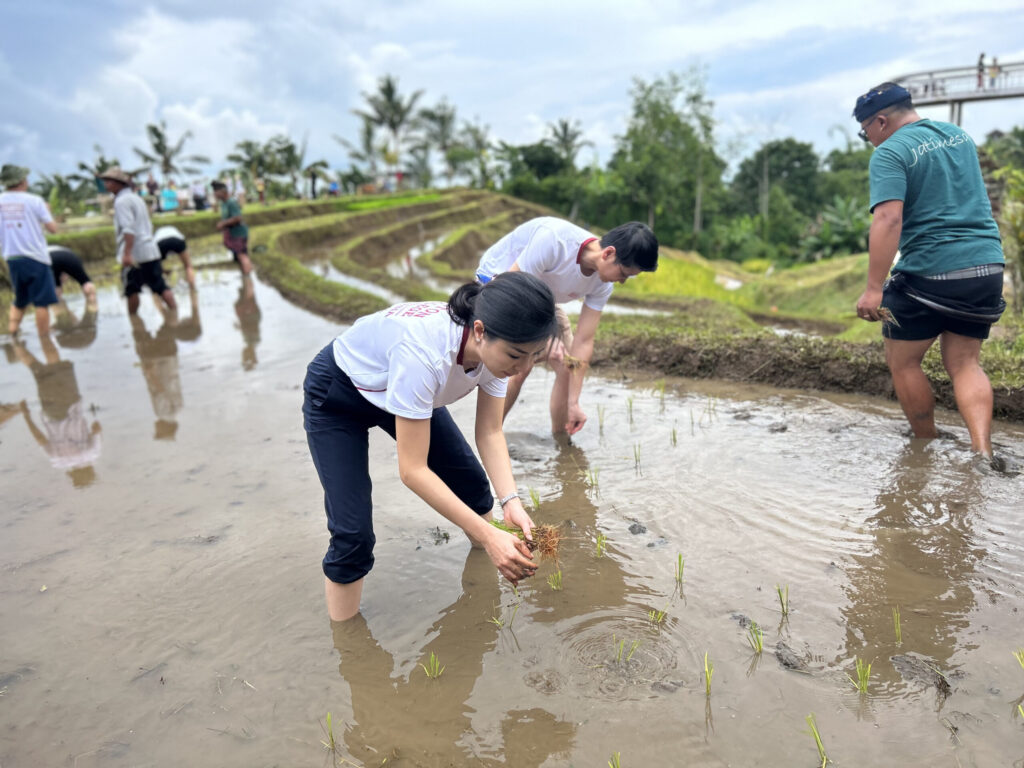
Photo: Courtesy of Jatiluwih Tourism Village
Unlike destinations where traditions are reshaped to meet visitor expectations, Jatiluwih positions tourism as a support mechanism for agriculture and culture, never as a driver that dictates change. Traditions are not adjusted for visitors; instead, visitors are invited to observe and learn from daily village life as it is.
Mr Purna describes tourism as a “bonus”. This philosophy is reinforced through clear visitor management practices, including defined walking routes, zoning of activities, and managed visitor flows, all designed to ensure that tourism does not disrupt farming activities or ceremonial life. By maintaining this balance, the village avoids cultural commodification and preserves the authenticity that visitors come to experience.
Transparency and Support for the Custodians
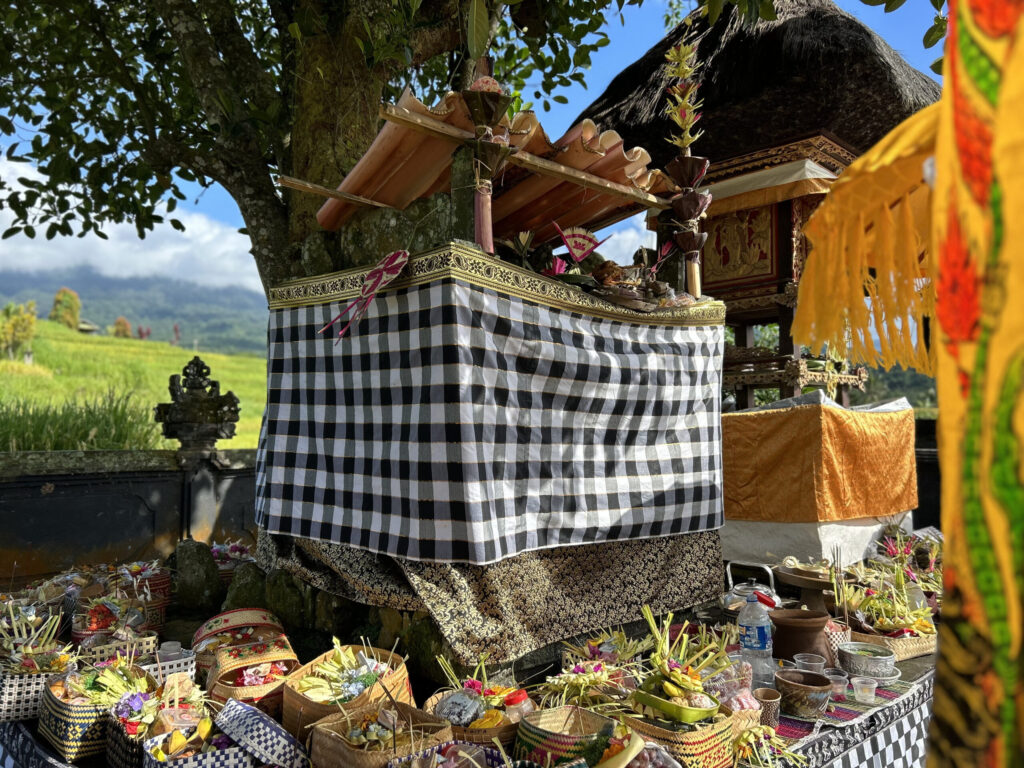
Photo: Courtesy of Jatiluwih Tourism Village
Mr Purna notes that building trust within the community required transparent management and sharing of tourism revenues. All income from tourism is openly accounted for, with clear agreements on how funds are distributed among farmers, village institutions, and local government.
Tourism revenue is channelled back to those who maintain the landscape. A significant portion subsidises fertilisers and seeds for Subak farmers. The cost of ceremonies, which are essential to maintaining the agricultural calendar, is also covered. By reducing farmers’ financial burdens and recognising their role as custodians of heritage, tourism income helps ensure that agriculture remains a viable and respected livelihood rather than one abandoned by younger generations.
Building Skills and Opportunities Within the Community
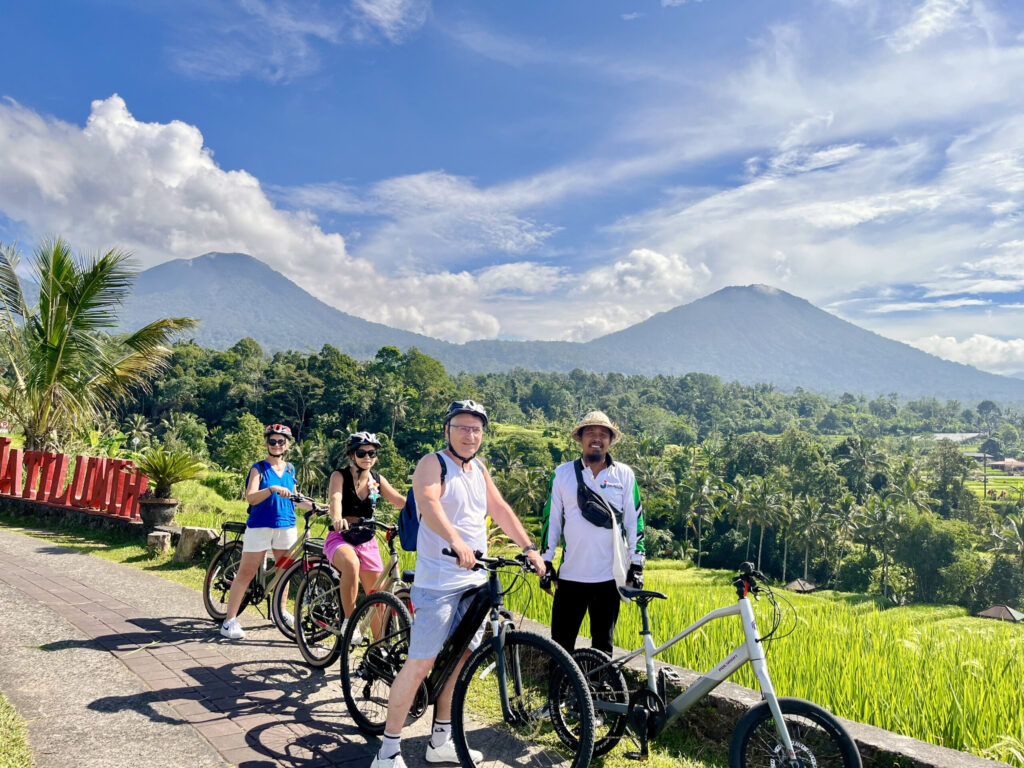
Photo: Courtesy of Jatiluwih Tourism Village
Jatiluwih’s commitment to community wellbeing extends to long-term capacity building. The tourism village employs 72 staff members, all of whom are local residents, fostering strong local ownership and responsibility.
The village also actively invests in skills development, including English-language training, hospitality and service standards, food processing and packaging, eco-printing for souvenirs, and cultural performance training. External experts and universities are invited to support these programmes, ensuring that skills development aligns with evolving tourism and market needs. This focus on knowledge and skills helps young residents build sustainable careers without leaving their village.
A Future Led by Local Values
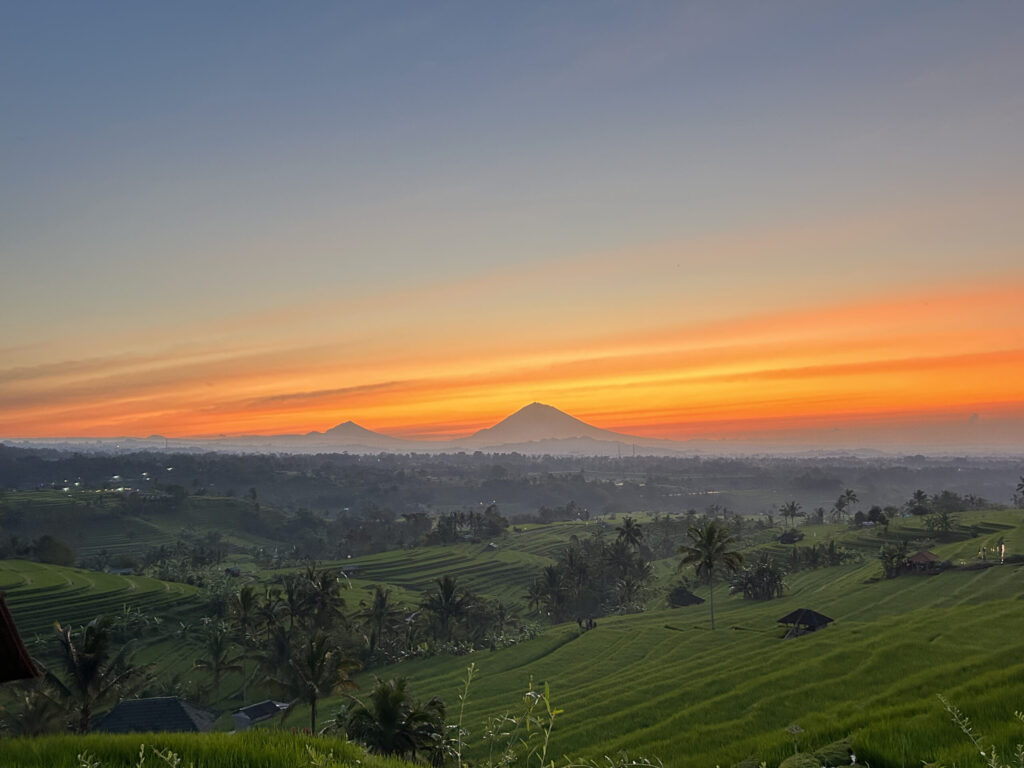
Photo: Courtesy of Jatiluwih Tourism Village
Jatiluwih demonstrates that sustainable tourism is most effective when it follows, rather than leads, local priorities. By placing agriculture, spirituality, and community governance at the centre and allowing tourism to reinforce these foundations, the village offers a practical model for other destinations across ASEAN and Japan. Its experience shows that transparency, skills development, digital awareness, and respect for cultural systems can coexist, creating tourism that strengthens rather than replaces local ways of life.
Interviewee
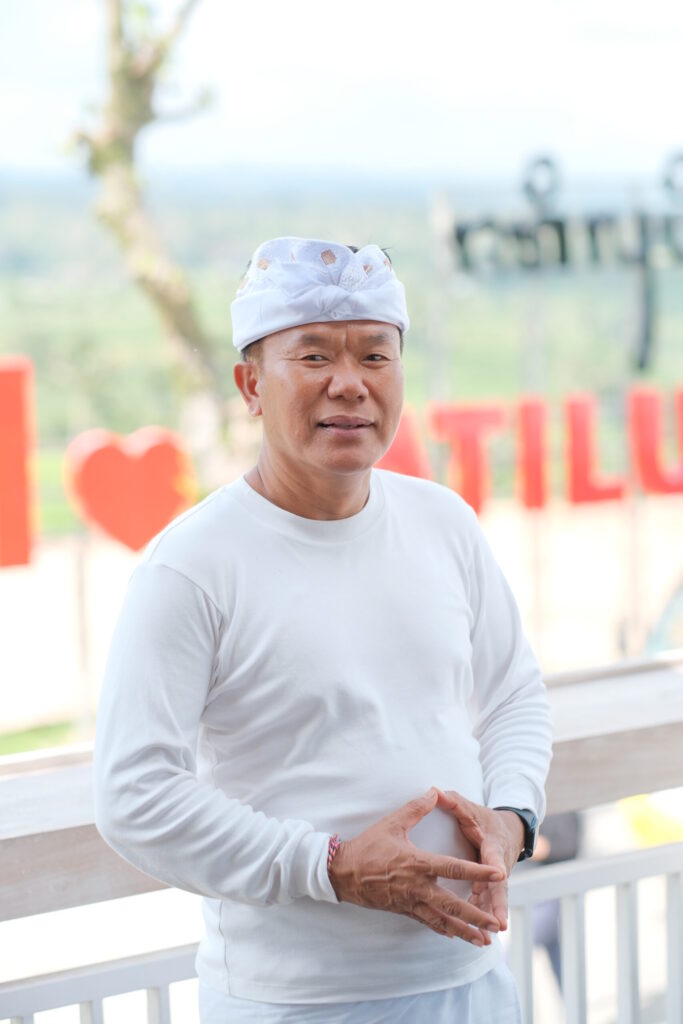
Mr. John K. Purna
Manager, Jatiluwih Tourism Village
“For us, revenue from tourism is truly just a bonus. Our absolute priority, our duty, is to protect the Subak system, these rice terraces, and the sacred rituals handed down by our ancestors. If we lose them, we lose our identity.”
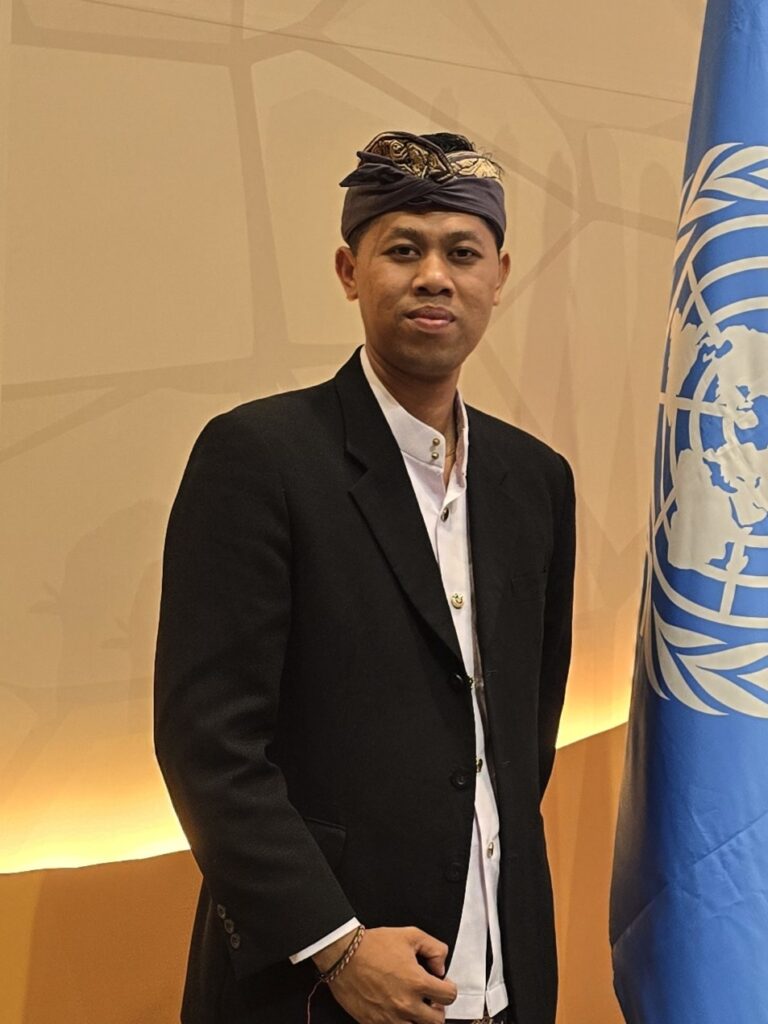
Mr. I Putu Eka Saputra
Secretary, Jatiluwih Tourism Village