Published on January 28, 2026
Guardians of the Coast: How Local Action and Science Are Healing the World
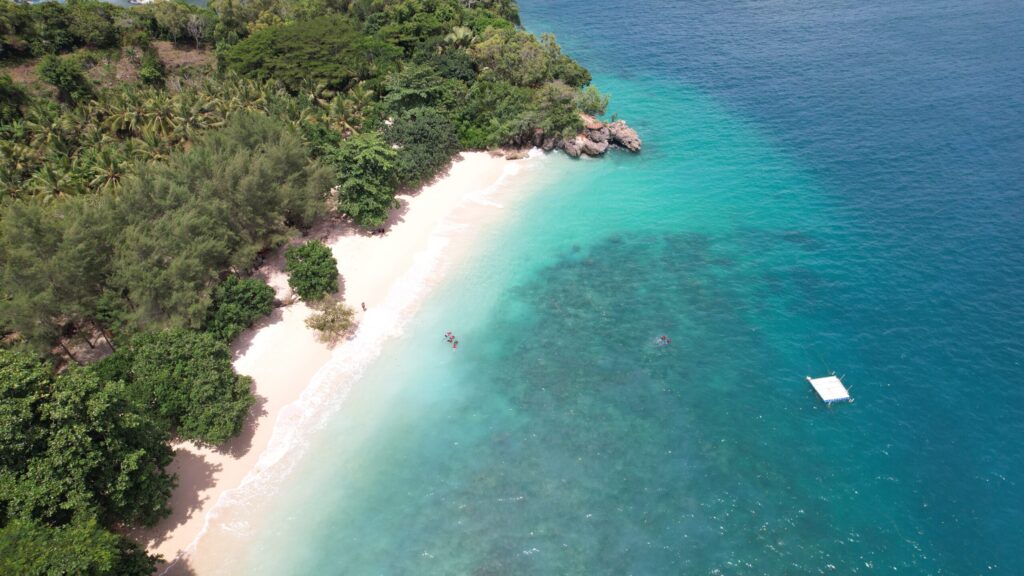
In a quiet coastal village in Malang, Indonesia, one community is redefining how tourism can serve sustainability. At CMC Tiga Warna, conservation is not a by-product of tourism but its primary purpose. Guided by clear principles and grounded in scientific evidence, the community demonstrates how locally led, data-driven action can deliver environmental recovery with far-reaching relevance.
For many destinations, tourism is the ultimate objective. For Ms. Lia Putrinda Anggawa Mukti and the community at CMC Tiga Warna (Clungup Mangrove Conservation), tourism serves a different purpose: it is a tool to safeguard their home. Guided by a well-defined value hierarchy—ecology first, social well-being second, and economic benefit third—the initiative has reversed severe environmental degradation and restored the coastline as a living sanctuary. This approach offers a compelling example of how sustainable destination management can be achieved when conservation principles shape every decision.
| Project : | Community-based coastal rehabilitation initiatives at Tiga Warna Beach: promoting ecotourism as the agent for conservation actions |
| Place : | CMC Tiga Warna, Tambakrejo Village, Malang, East Java, Indonesia |
| Initiative : | A community-managed marine protected area covering 80 hectares of mangroves and coral reefs. The initiative uses educational tourism to fund conservation, enforcing strict “zero-waste” luggage checks for visitors. It actively collaborates with universities to utilize scientific data for management decisions and community advocacy, prioritizing ecological recovery over profit. |
| Actors : | Ms. Lia Putrinda Anggawa Mukti, Clungup Mangrove Conservation (CMC) Community, Academic Researchers, Local Villagers. |
The Courage to Return
The story of CMC Tiga Warna begins with a difficult personal decision. After graduating from high school, Ms. Lia chose not to proceed directly to university. Instead, she returned to her hometown of Tambakrejo, a village in Malang, East Java. There, she was confronted by the severe environmental degradation of the coast she had grown up with, and she felt compelled to take action.
The early years were challenging and largely solitary. At the time, immediate economic survival took priority for many in the community, leaving little space for long-term ecological concerns. A turning point came when university researchers began visiting the site. Their assessment of the recovering ecosystem led to a critical insight: the conservation efforts held value not only for nature itself, but also as the foundation for a carefully managed form of tourism.
Tourism as a Mechanism for Conservation
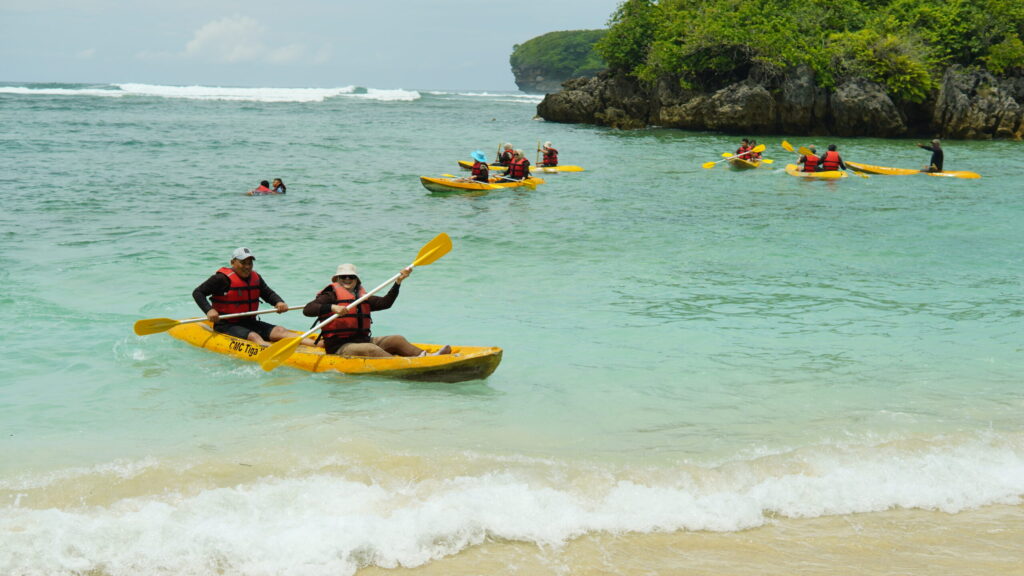
Acting on the advice of academic researchers, Ms. Lia began to welcome visitors, but with a clear condition: the site would not follow a mass tourism model. Instead, CMC Tiga Warna was developed as a destination for educational travel, with a strong focus on students and study-oriented visitors.
Within this framework, tourism functions as a means to sustain conservation rather than an end in itself. Revenue generated from visitor activities is reinvested directly into the management and protection of the 80-hectare conservation area. This approach ensures that economic benefits support ecological restoration and never undermine the environmental integrity of the site.
Visitor numbers are carefully controlled using a reservation system, supported by regular closure days and seasonal recovery periods.ic Batik Tulis (hand-drawn batik) from machine-printed imitations.
The Power of Data and Discipline
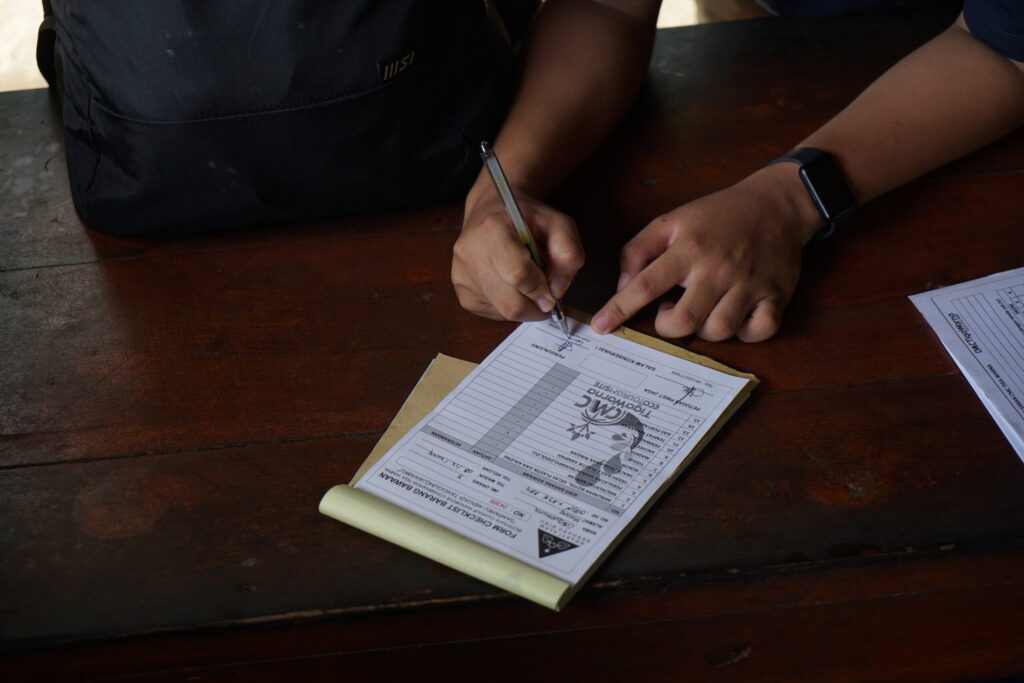
Photo: Coutresey of CMC Tiga Warna
What sets CMC Tiga Warna apart from many community-based tourism initiatives is a disciplined reliance on academic collaboration and scientific evidence. Rather than depending on intuition or short-term considerations, Ms. Lia and her team use research findings to inform conservation planning, visitor management, and long-term decision-making.
Scientific data was also a critical tool for building trust within the local community. By sharing clear information on issues such as declining fish stocks, coastal erosion, and water quality, Ms. Lia was able to translate environmental change into tangible realities. Evidence-based language helped shift local perceptions and gradually aligned community priorities with long-term ecological recovery. This approach is reinforced through close collaboration with universities, local and national government bodies, and other partners.ce.eritage, tourism income helps ensure that agriculture remains a viable and respected livelihood rather than one abandoned by younger generations.
A similar discipline is evident in the visitor experience through a distinctive “Responsible Visit” system. To achieve zero waste, all visitors undergo an item check on entry, with staff recording potential waste items such as plastic bottles. The same items are checked again on exit. If an item is missing, it is treated as litter left behind, and the visitor is required to take responsibility. Rather than functioning as enforcement alone, this system encourages awareness and personal accountability, ensuring that every visitor actively considers their environmental footprint while on site.
A Ripple Effect: From Awards to Education
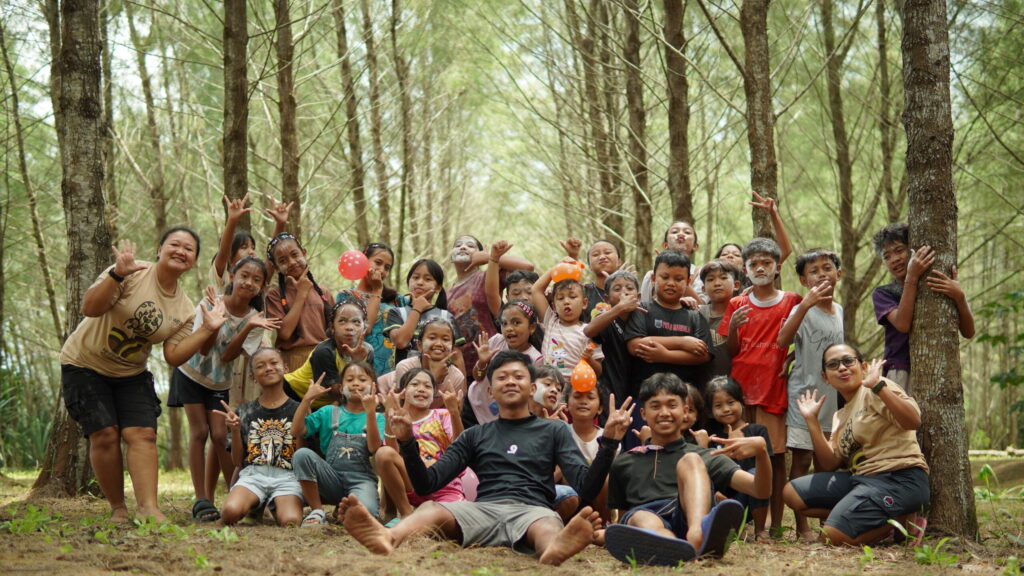
This rigorous, science-based approach gained credibility when CMC Tiga Warna began to receive national recognition, including a prestigious Indonesian Presidential Award. Public acclaim played an important role in strengthening local pride and building trust in the initiative among the community and public institutions.
The impact now extends well beyond environmental recovery. An understanding that ecology comes first has triggered a broader social transformation, encouraging learning and aspiration within the village. In a community where higher education was once uncommon, regular interaction with researchers and the visible success of the project have inspired younger generations to pursue further study. Today, two young community members are continuing their education at postgraduate level, reflecting a growing belief that science, conservation, and stewardship of nature can form meaningful and sustainable career paths.
Beyond education, the initiative has delivered tangible livelihood outcomes. CMC Tiga Warna provides direct employment for dozens of local residents in ecotourism and conservation activities.
Nature Returns
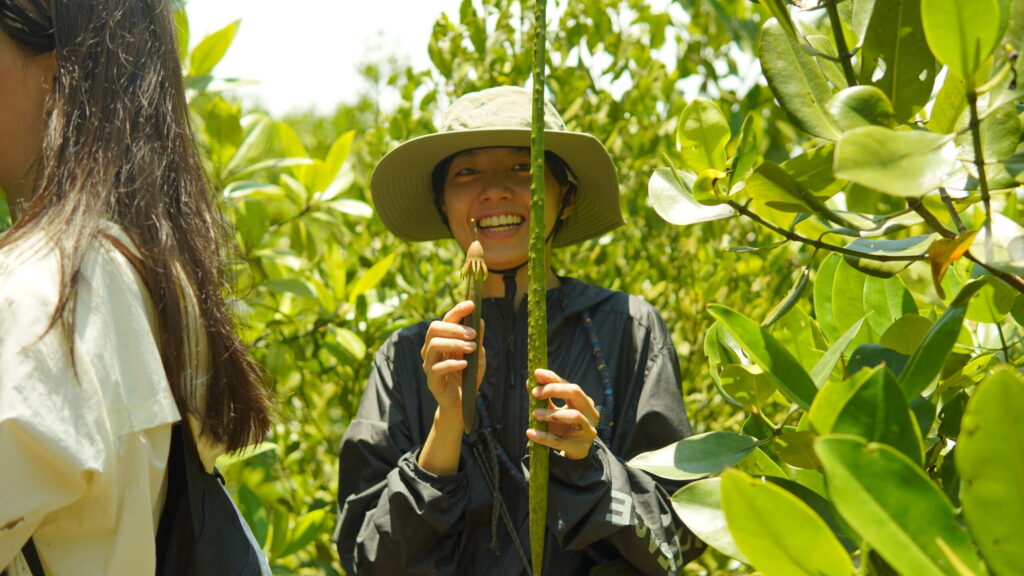
The outcomes of this locally led effort are carefully tracked. Through sustained community action, CMC Tiga Warna has rehabilitated 77 hectares of mangrove forest, a restoration estimated to hold an economic value of 484 billion IDR (approximately 30 million USD).
The site is also making a measurable contribution to climate change mitigation. Research conducted across 46.3 hectares indicates a total carbon stock of 3,856 tonnes, highlighting the role of healthy coastal ecosystems in supporting global net zero ambitions.
Beyond these figures, ecological recovery is evident in tangible ways. Sea turtles have returned to nest, bird populations are increasing, and coral reefs are steadily regenerating. Ms. Lia’s journey illustrates a powerful principle: when communities align economic activity with scientific evidence and ecological priorities, they do more than restore a coastline; they contribute to the long-term healing of the planet.legacy, but a sustainable, contemporary foundation for future generations.
Interviewee
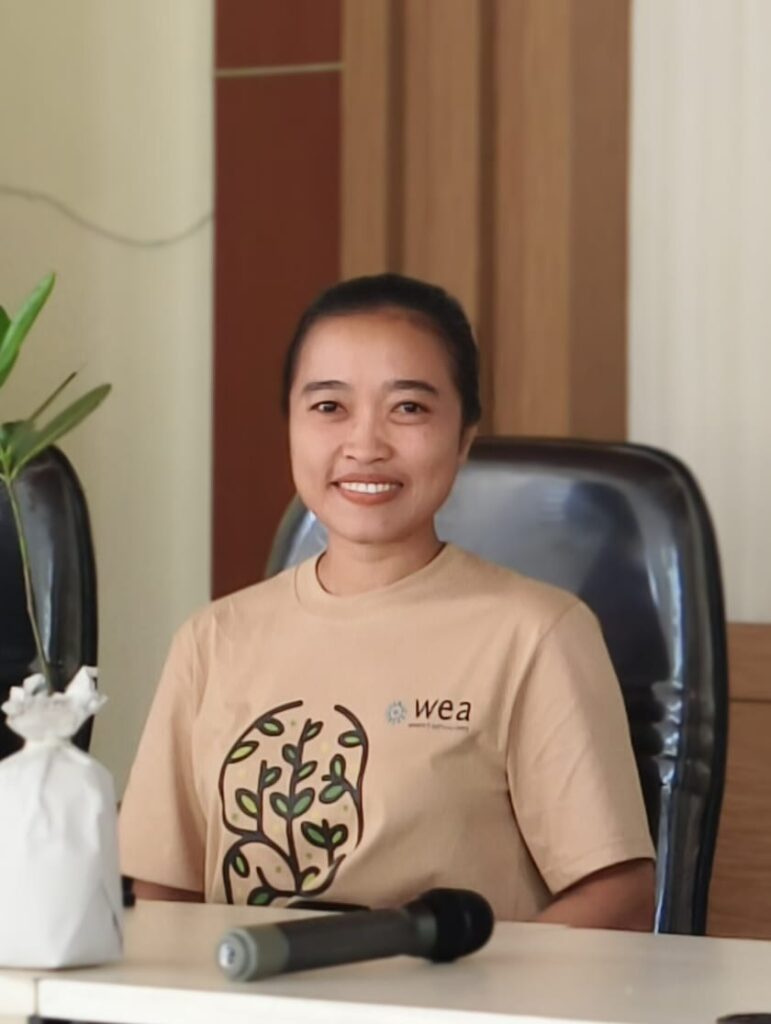
Ms. Lia Putrinda Anggawa Mukti
Founder, Bhakti Alam Sendang Biru Foundation
“Data is our bridge. It is difficult to argue with the science of a disappearing coast. Today, we use that same science to show the next generation that they have a future here.”