Published on January 19, 2026
Where the Forest Found New Guardians: The Story of Chi Phat
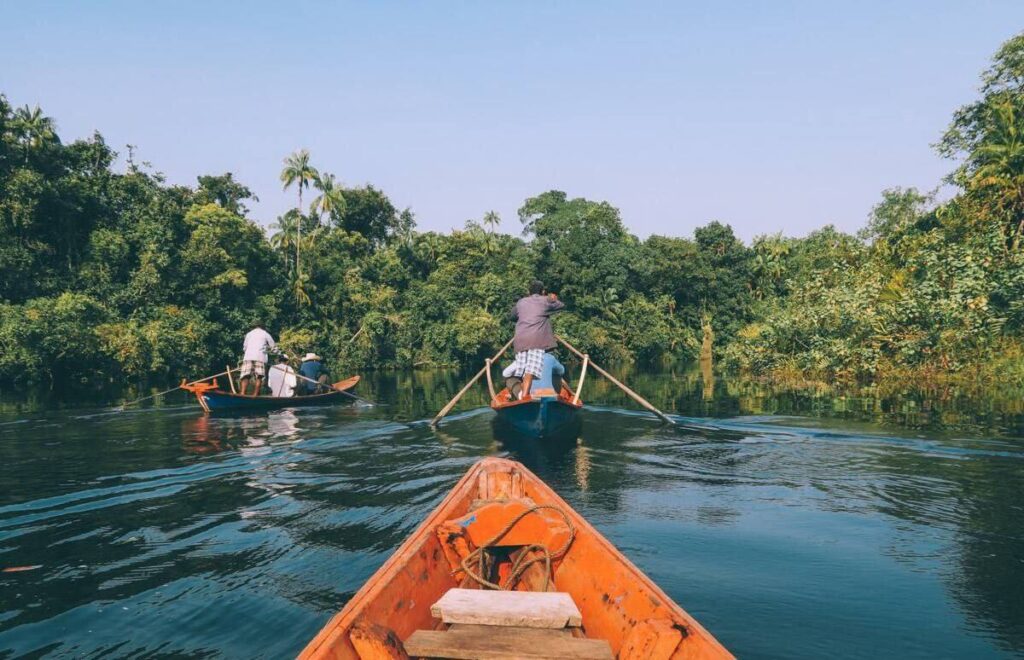
Deep within Cambodia’s Southern Cardamom Mountains, Chi Phat Community-Based Ecotourism (CBET) illustrates how tourism can support conservation while strengthening rural livelihoods. Once known for illegal logging and wildlife poaching, Chi Phat has, since 2007, developed into one of Cambodia’s most firmly established community-based ecotourism destinations, demonstrating a vision for local ownership, nature protection, and tourism to progress together.
| Project : | Chi Phat Community based Ecotourism |
| Place : | Thor Bang District, Koh Kong Province, Cambodia |
| Initiative : | Established in 2007, Chi Phat Community-Based Ecotourism enables local residents to protect the Cardamom Mountains’ forest ecosystem through community-owned tourism services. By replacing illegal logging and poaching with guiding, accommodation, and nature-based activities, the initiative links conservation outcomes with inclusive livelihoods. |
| Actors : | Chi Phat community members, supported by Wildlife Alliance, in coordination with Ministry of Tourism and Ministry of Environment of Cambodia |
A Forest Landscape at Risk
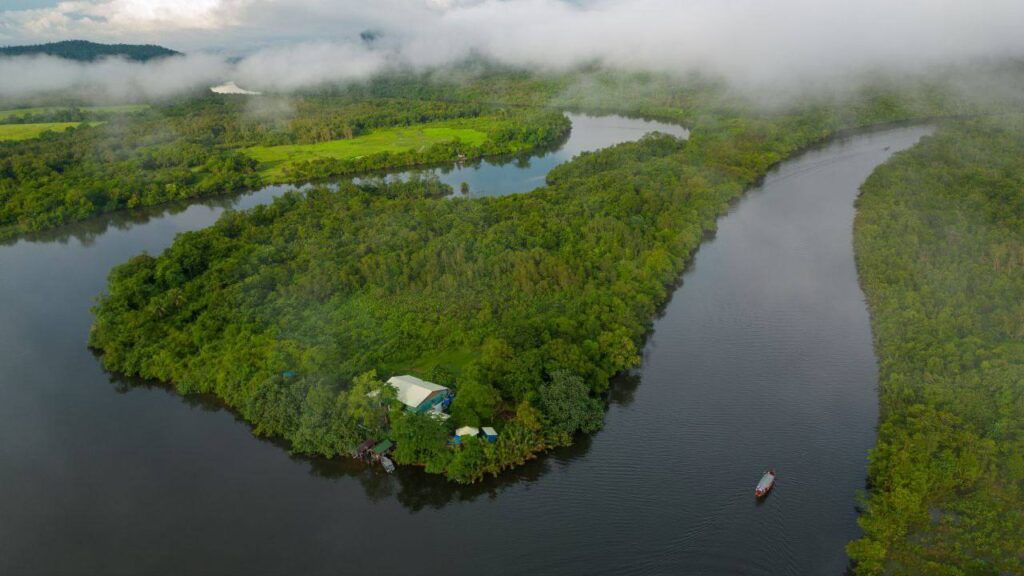
Chi Phat is located in Koh Kong Province, a remote rural area characterised by dense rainforest, rivers, waterfalls, and rich biodiversity. The surrounding Cardamom Mountains form one of Southeast Asia’s largest remaining forest ecosystems and play a critical role in regional biodiversity conservation.
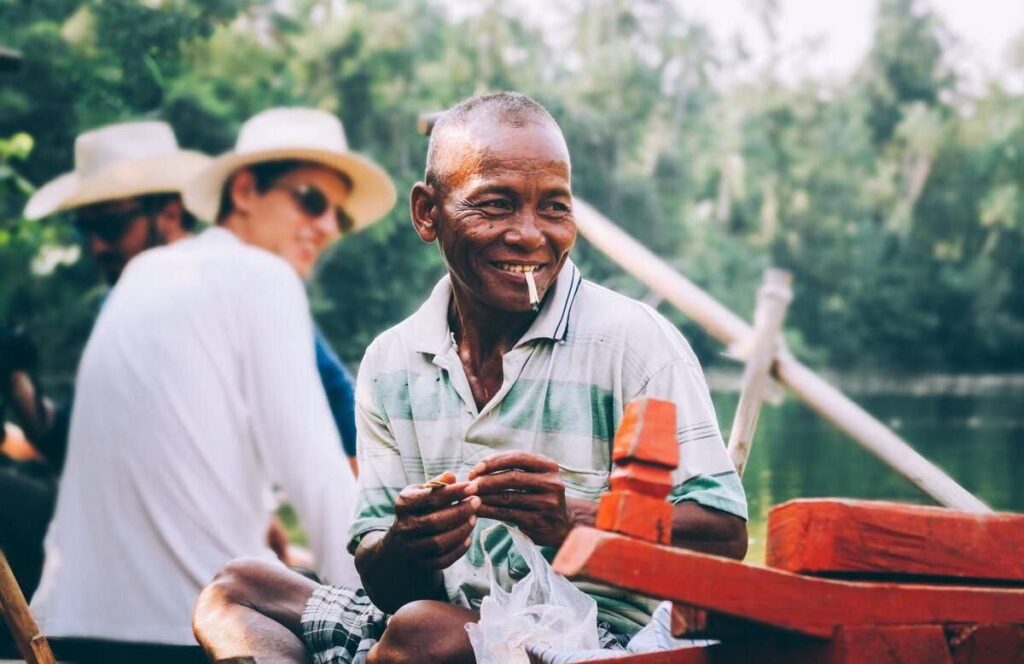
For many years, limited infrastructure and livelihood opportunities left local residents heavily dependent on forest extraction. Illegal logging and wildlife poaching became widespread, and Chi Phat gained a reputation as a base for these activities. As forest resources declined, both environmental integrity and community well-being came under increasing threat.
A Community-Led Turning Point
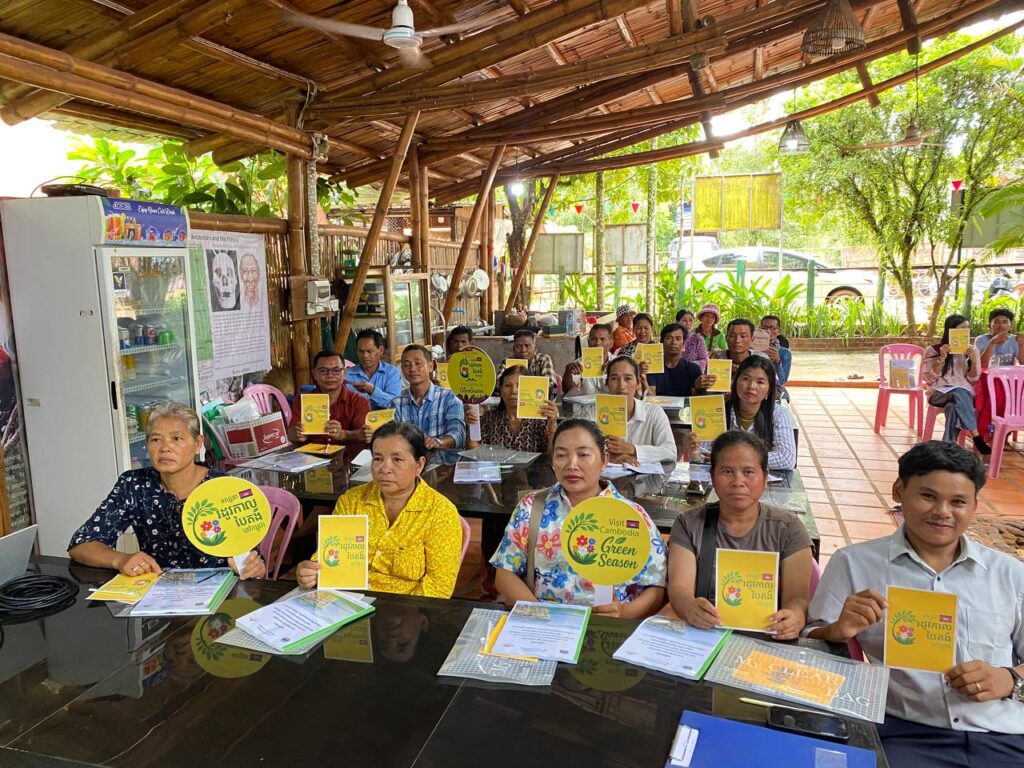
A major shift began in 2007, when Chi Phat moved towards community-based ecotourism with support from the non-governmental organisation Wildlife Alliance. Rather than excluding residents from conservation areas, the initiative focused on enabling the community to protect natural resources through tourism.
Tourism services were designed to be owned and managed by the community. Today, Chi Phat offers guided jungle trekking, wildlife and birdwatching, river and boat tours, cycling, camping, homestays, and bungalow accommodation. These activities allow visitors to experience the forest while ensuring that tourism income remains within the village.ng that homeowners receive a stable income without needing sales or administrative expertise.
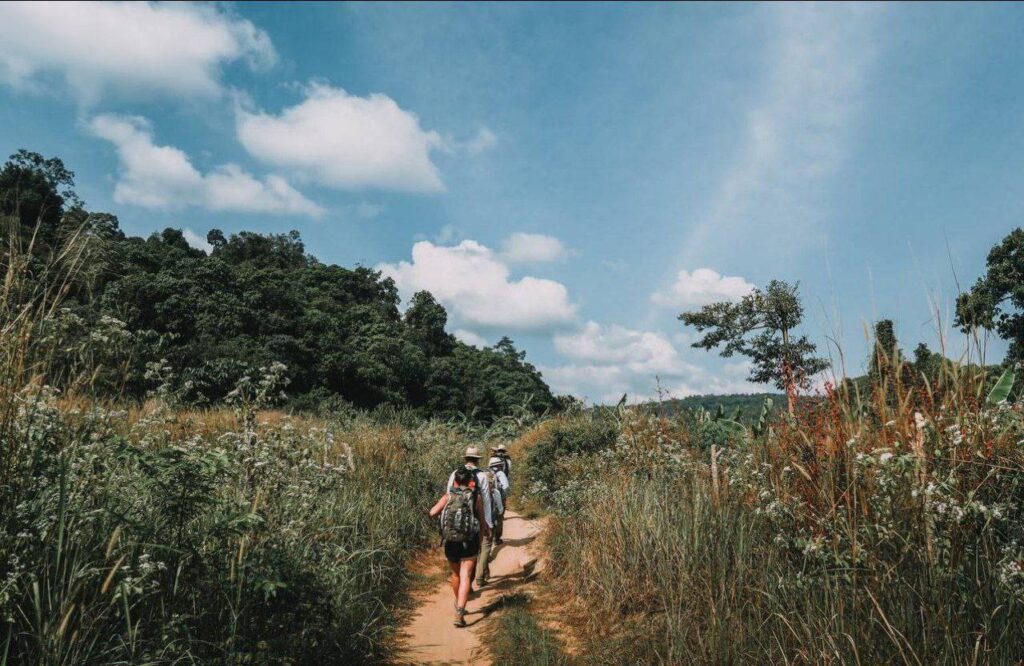

Photo: Courtesy of Chi Phat Community based Ecotourism
From Forest Exploitation to Stewardship
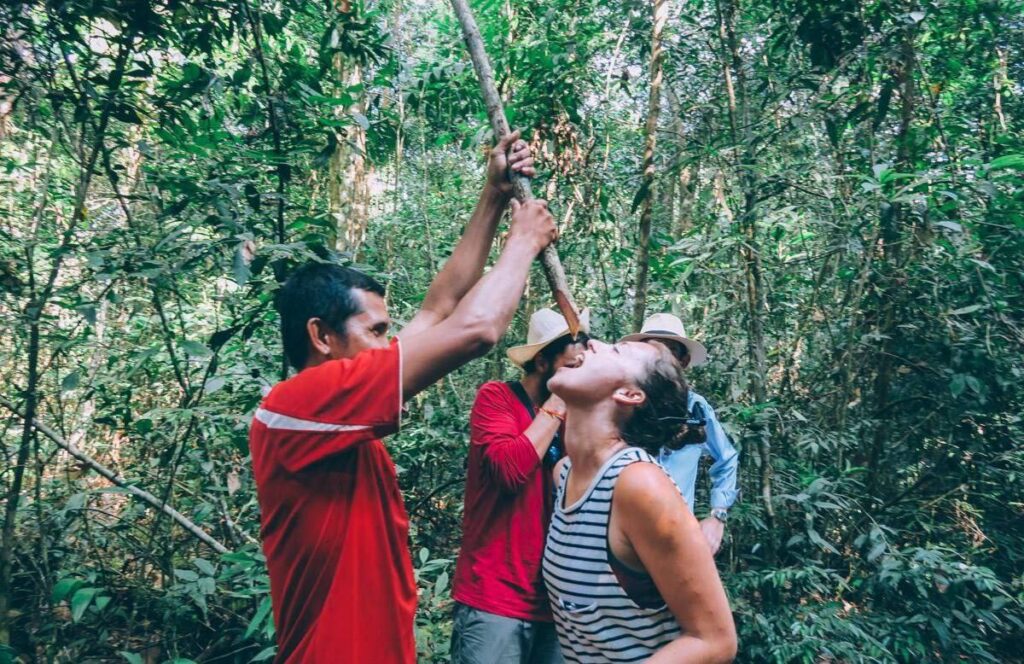
A defining feature of Chi Phat CBET is the transformation of local knowledge into a conservation asset. Former hunters and loggers were retrained as forest guides, rangers, and tourism service providers. Their familiarity with the forest, terrain, and wildlife now supports visitor safety, interpretation, and protection.
Mr. Sovan, a committee member of Chi Phat CBET, described the changes observed since the project began:
“In the days before this community was established, we did not see wild animals at all. Now we can see wildlife running near the village and even near our homes.”
Tourism income provides a viable alternative to illegal activities, while community rangers contribute to forest monitoring. Returning wildlife reinforces the link between conservation outcomes and local livelihoods.
Inclusive Benefits and Local Governance
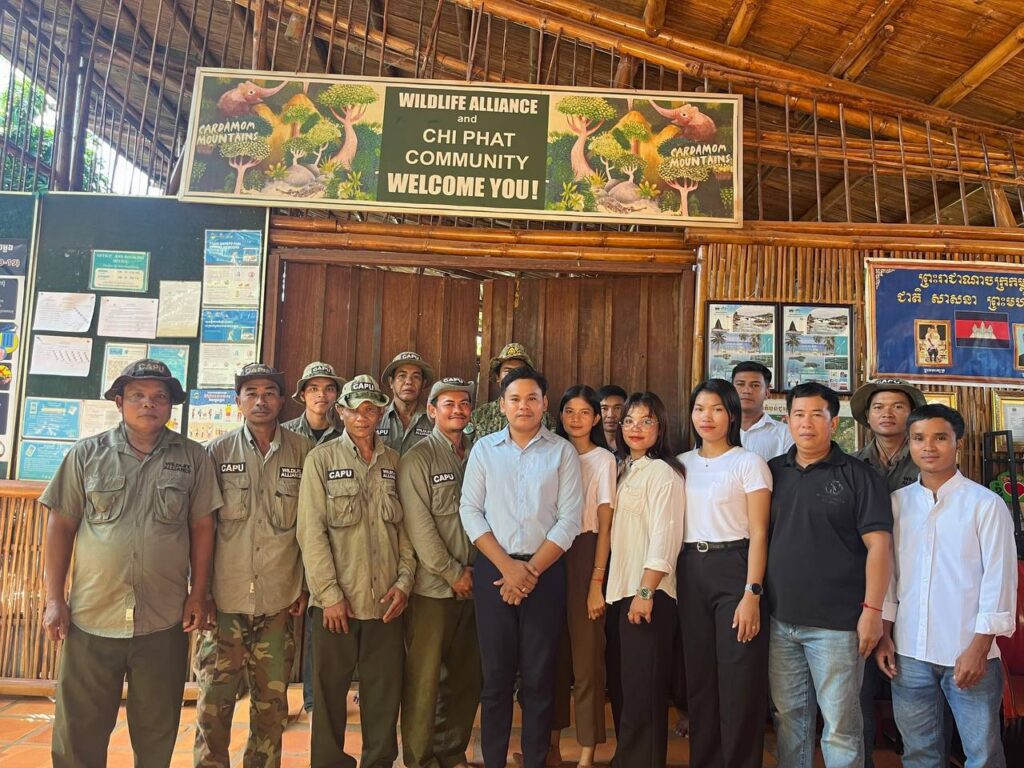
Chi Phat comprises approximately 640 households, with a population of around 2,700 people. Of these, 332 households are registered members of the CBET initiative and receive direct income from tourism-related activities.
A rotation system allocates guiding, accommodation, transport, and service roles to ensure broad participation and more equitable income opportunities. Governance is overseen by a seven-member community committee responsible for day-to-day operations and coordination. All tourism assets are owned by the community.
Wildlife Alliance continues to provide technical and financial support but does not own or operate tourism facilities. This strengthens local ownership, accountability, and long-term sustainability.
Managing Growth and Ongoing Challenges
As Chi Phat has gained recognition among international visitors, careful management has become increasingly important. The community continues to face pressure from illegal forest activities by outsiders, as well as interest in land acquisition. Addressing these risks requires ongoing coordination with relevant authorities to ensure that tourism development remains aligned with community priorities and conservation objectives.
Capacity-related challenges also remain, including foreign-language skills and destination management expertise. The community continues to develop skills and governance through cooperation with partner organisations.
Environmental Care and Cultural Respect
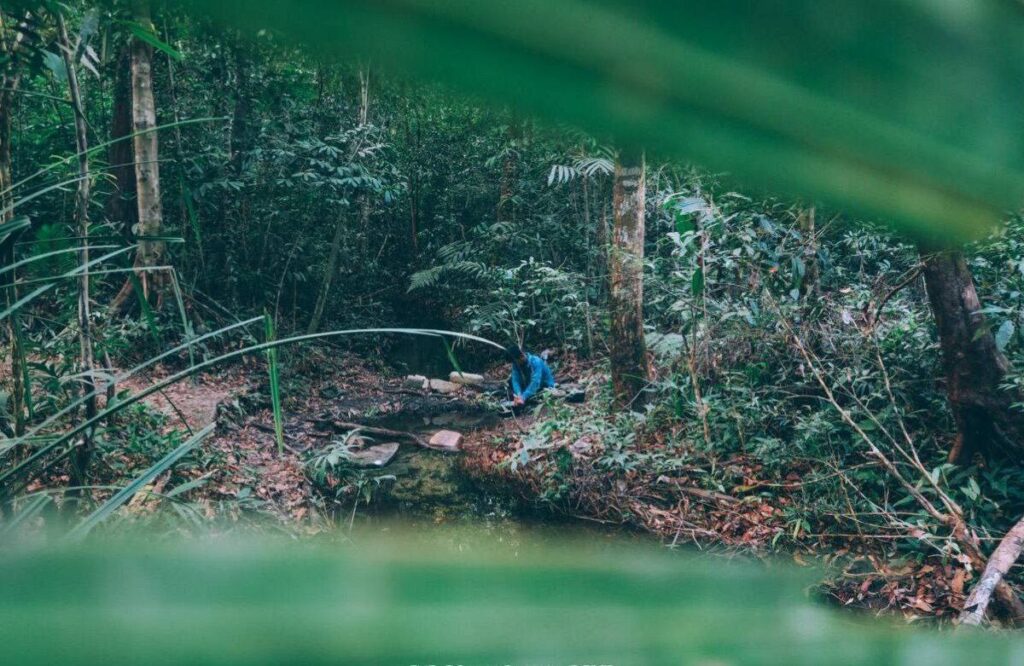
Environmental management in Chi Phat extends beyond forest protection. The community operates a waste collection initiative, “Chi Phat Clean”, funded through small monthly household contributions based on waste volume. The system promotes waste separation, recycling, and overall cleanliness within the village.
Cultural respect is equally important. Chi Phat includes indigenous Chon communities, and sacred trees and culturally significant forest areas are protected. Local belief systems—combining Buddhism with long-standing spiritual respect for forests and rivers—remain an integral part of daily life.
A Positive Path Forward
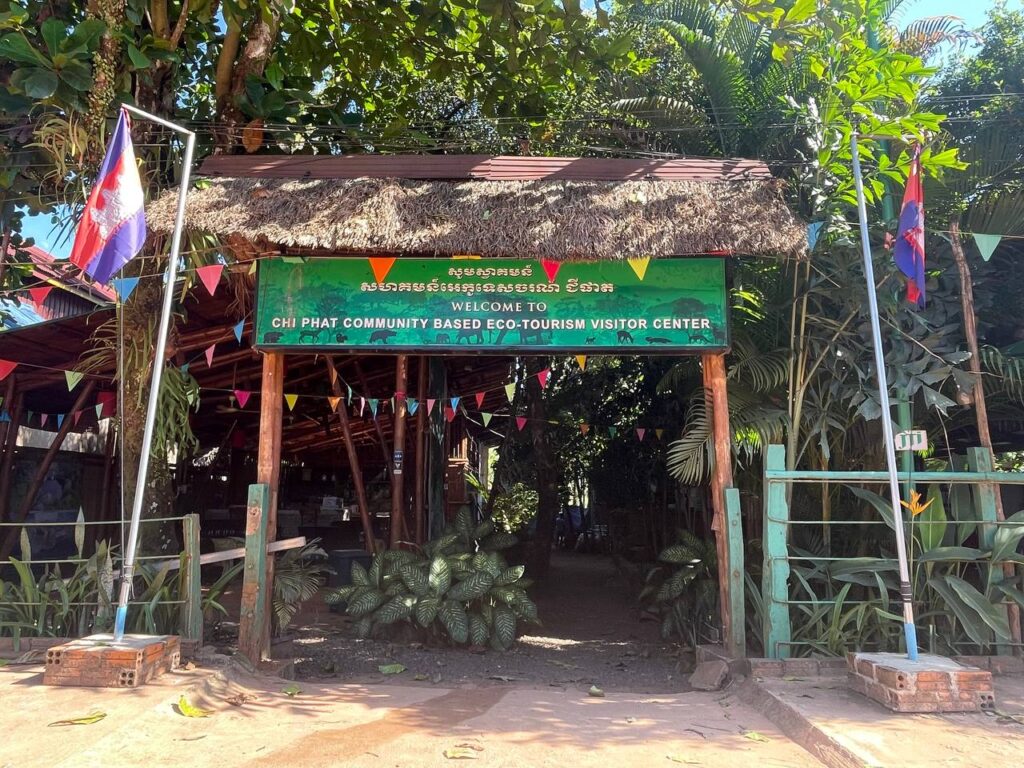
Chi Phat’s experience demonstrates how community-based ecotourism can protect biodiversity while delivering tangible social and economic benefits. Tourism has enabled residents to safeguard their forest, support the recovery of wildlife populations, and create more stable livelihoods without compromising cultural identity.
Reflecting on the transformation, Mr. Sovan noted:
“Now we have proper income without going to the forest for illegal activities. Compared to 15 years ago, everything has completely changed.”
As Chi Phat continues to refine its tourism management and strengthen local capacity, it stands as a practical, community-driven example of how conservation and development can be balanced.
Interviewee
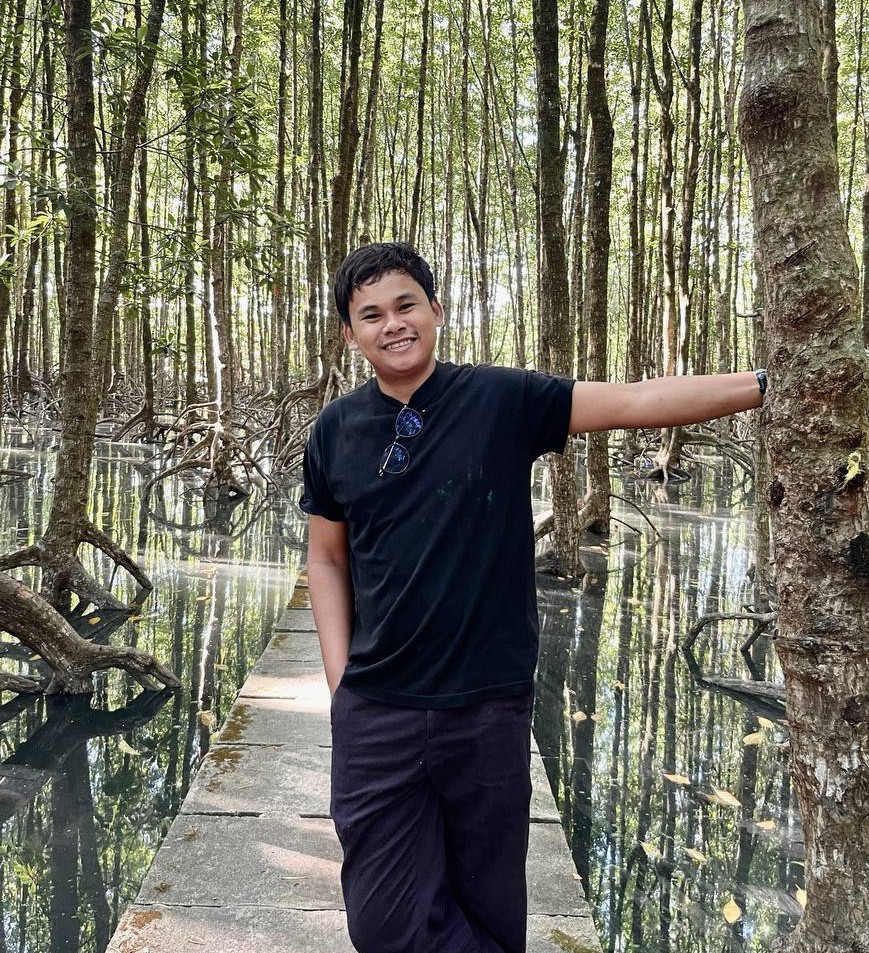
Mr. Sovan ON
Committee member, Chi Phat Community based Ecotourism