Published on January 20, 2026
Beyond Angkor: Cambodia’s Model for Resilient Local Commerce
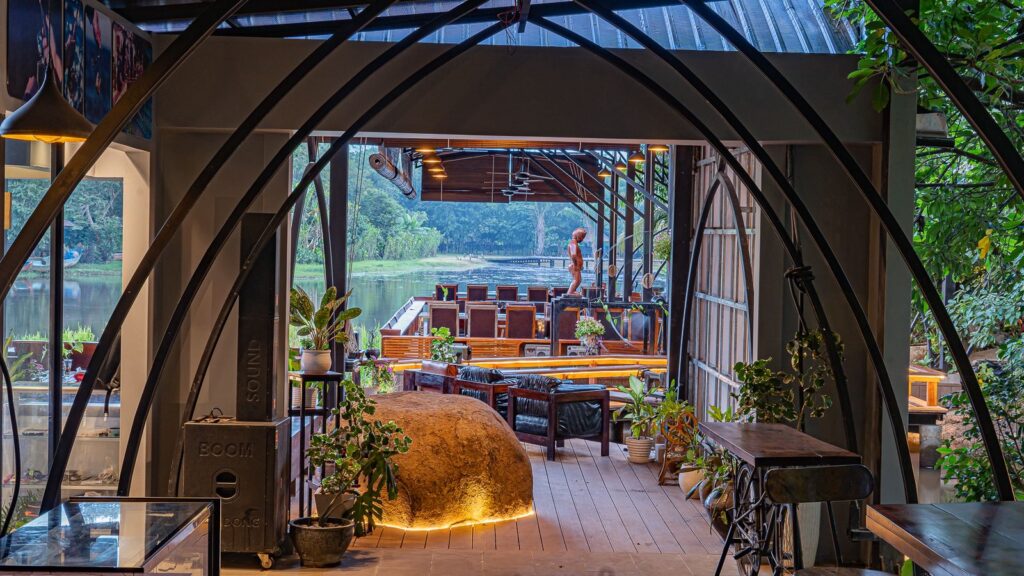
Bakong My Village, located near Bakong Temple in Siem Reap Province, Cambodia, was launched in 2020 as a community-based tourism initiative founded by Mr Soth Sour. Having grown up in the village under challenging economic conditions, he pursued education and professional experience outside the community before choosing to return. He identified tourism as a practical pathway to give back to his hometown.
| Project : | Bakong My Village community-based tourism Place: Near Bakong Temple, Siem Reap Province, Cambodia |
| Place : | Near Bakong Temple, Siem Reap Province, Cambodia |
| Initiative : | A Community-Based Tourism (CBT) initiative established by local founder Mr. Soth Sour to transform a poor farming community into a resilient tourism hub in Cambodia. |
| Actors : | Bakong My Village Tourism Community members, local staff, private investors, and the Ministry of Tourism. |
An Intrinsic Vision: Rooted in Community
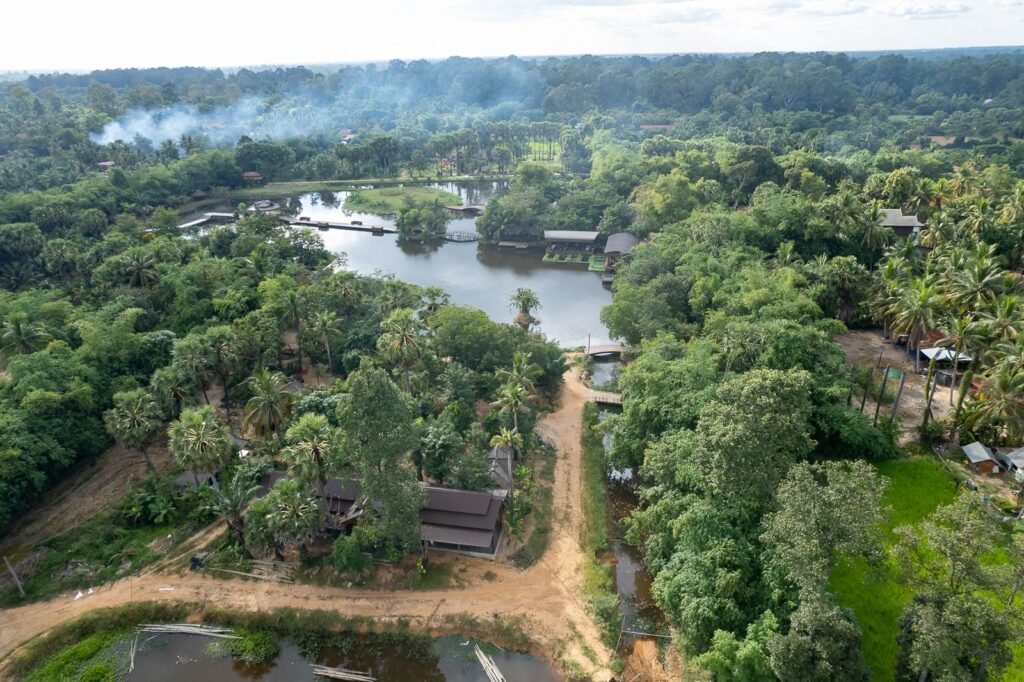
The founder identified a clear geographical advantage in the village’s location. Bakong Temple forms part of the Angkor Archaeological Park, a UNESCO World Heritage Site that also encompasses the world-renowned Angkor Wat. While historically less visited than the core Angkor temples, the area is strategically positioned along National Road 6, Cambodia’s main transport and economic corridor. This combination of cultural significance and accessibility presented strong potential for developing a community-based tourism (CBT) model.
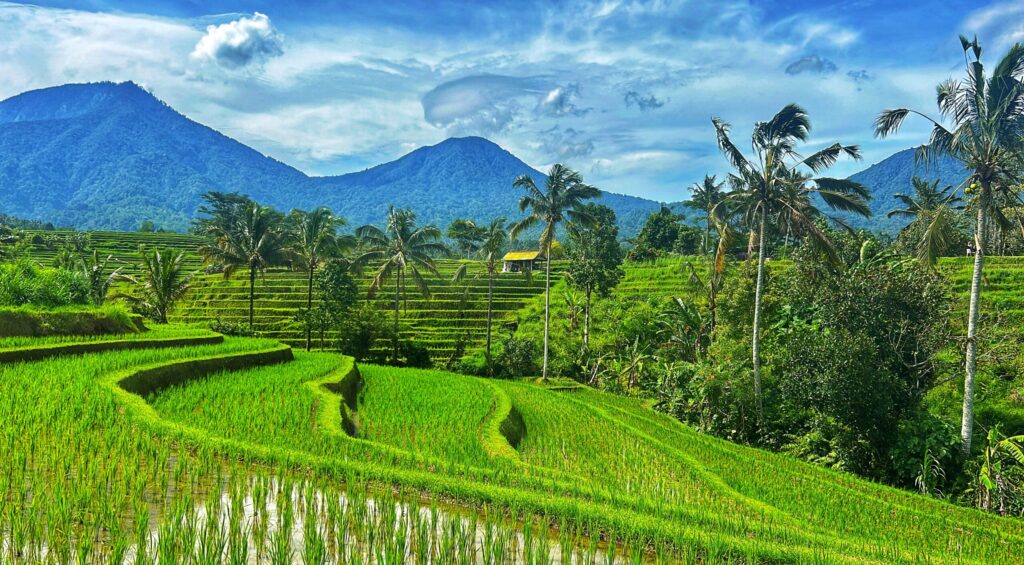
Before the initiative was established, many families in the community experienced persistent economic hardship, relying on unstable agricultural income that frequently led residents to seek work elsewhere, including labour migration to other provinces and neighbouring countries. Through tourism, the project aimed to transform farmers and construction workers into skilled tourism practitioners, generating stable, regular income and strengthening the long-term economic resilience of the community.
Strategic Pillars of Economic and Human Transformation
The Bakong My Village model is founded on a set of practical and interconnected strategies aimed at generating sustainable livelihoods while enhancing the overall visitor experience.
Localised Job Creation and Skills Development
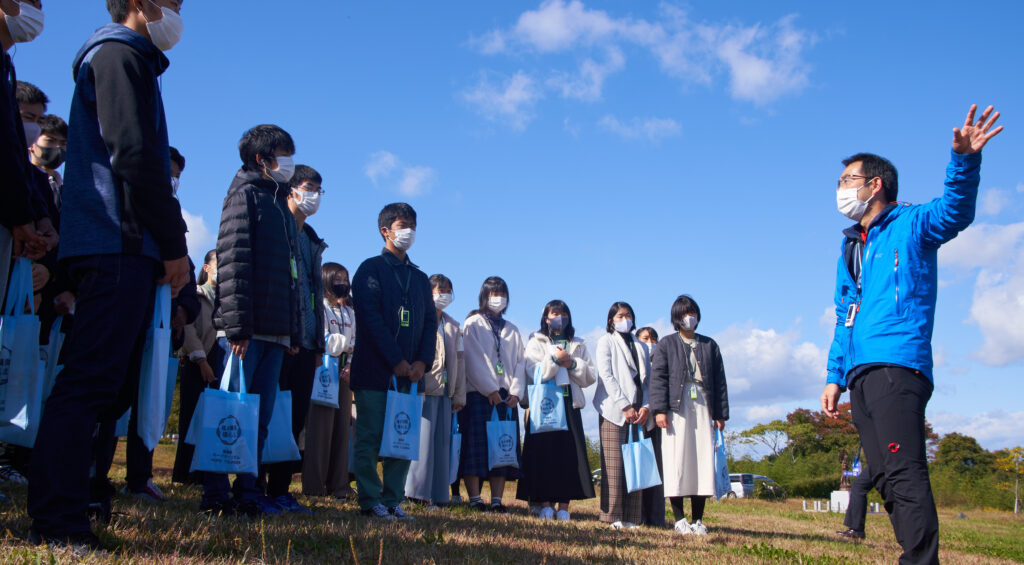
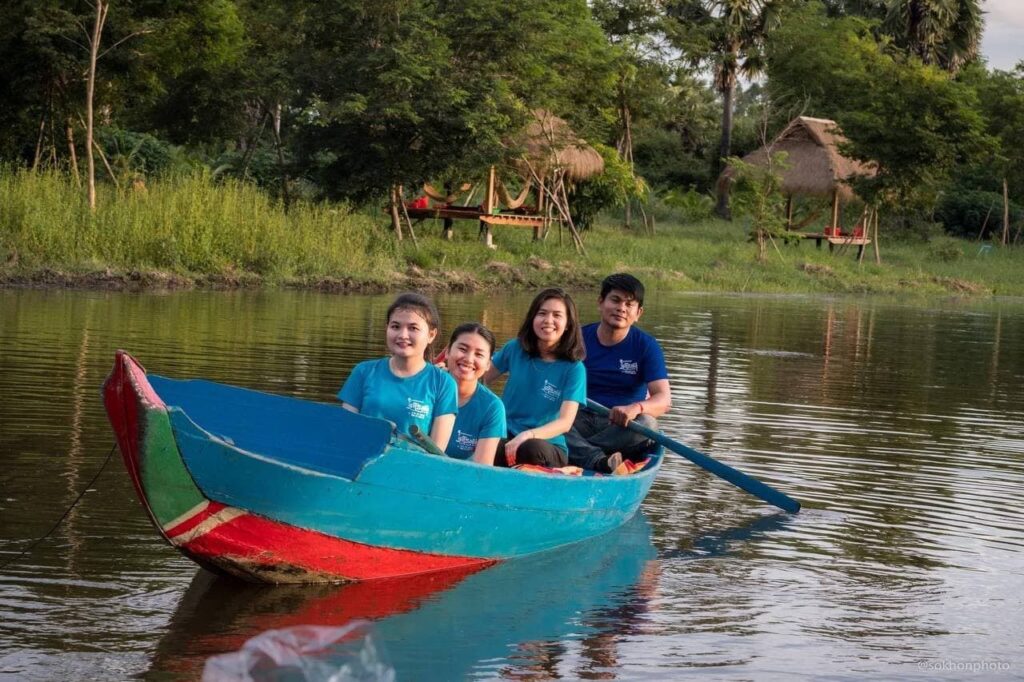
Human resource development is the project’s central achievement. The community employs 70 staff members who have received training across hospitality disciplines, including culinary skills, beverage preparation, hospitality service, and landscape management.
Expanding the Guest Experience
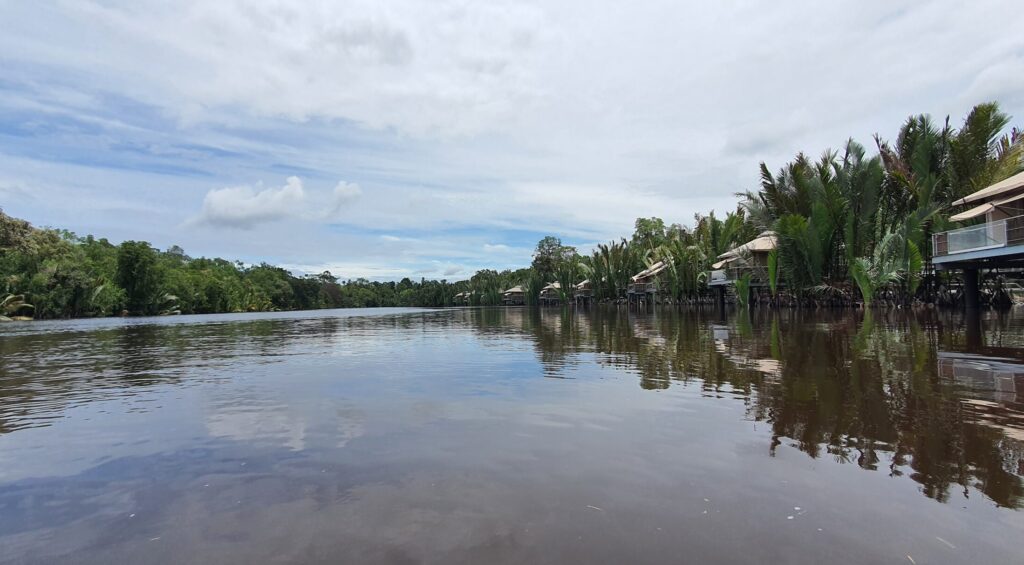
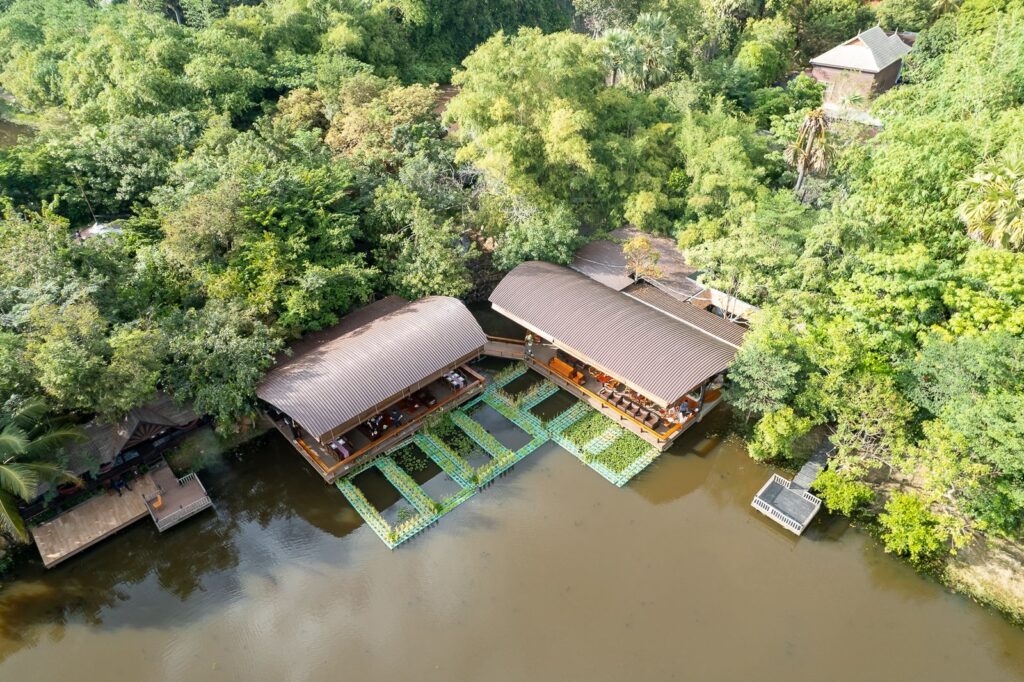
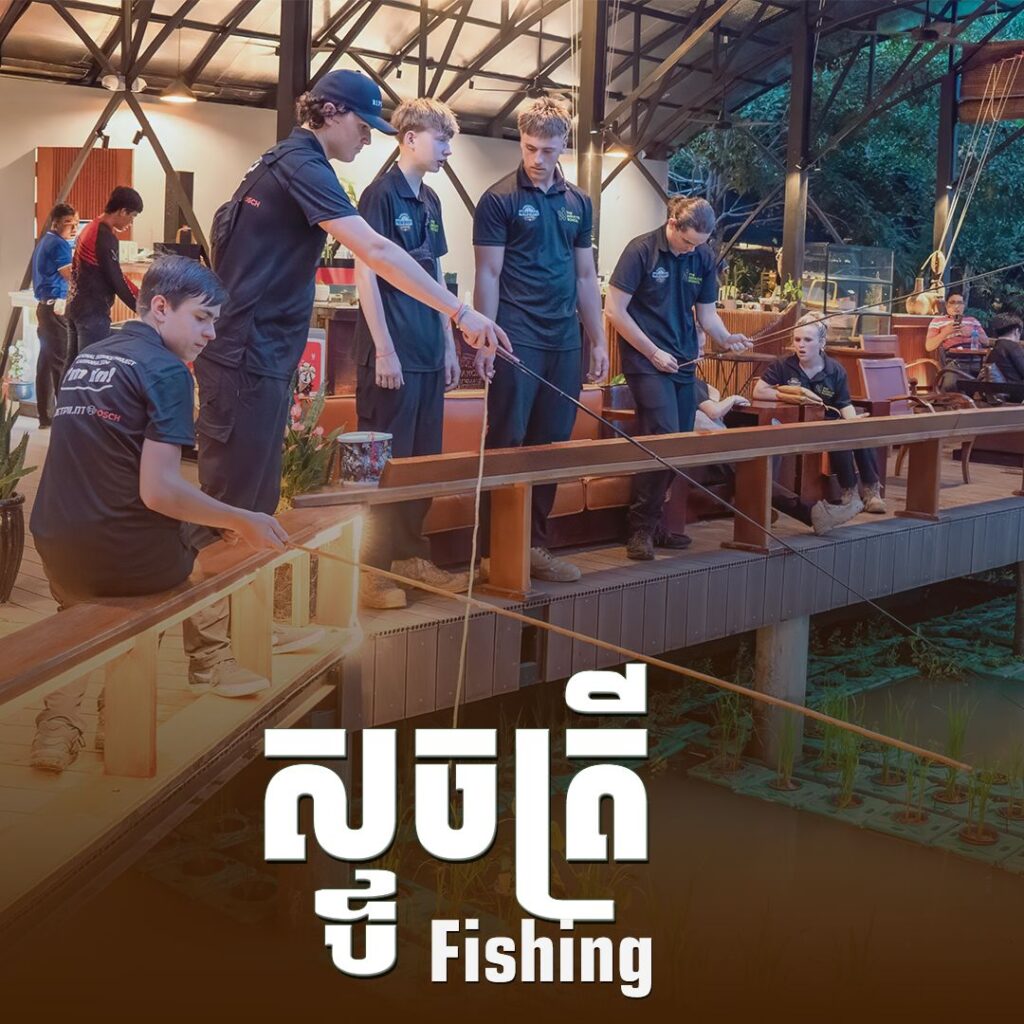
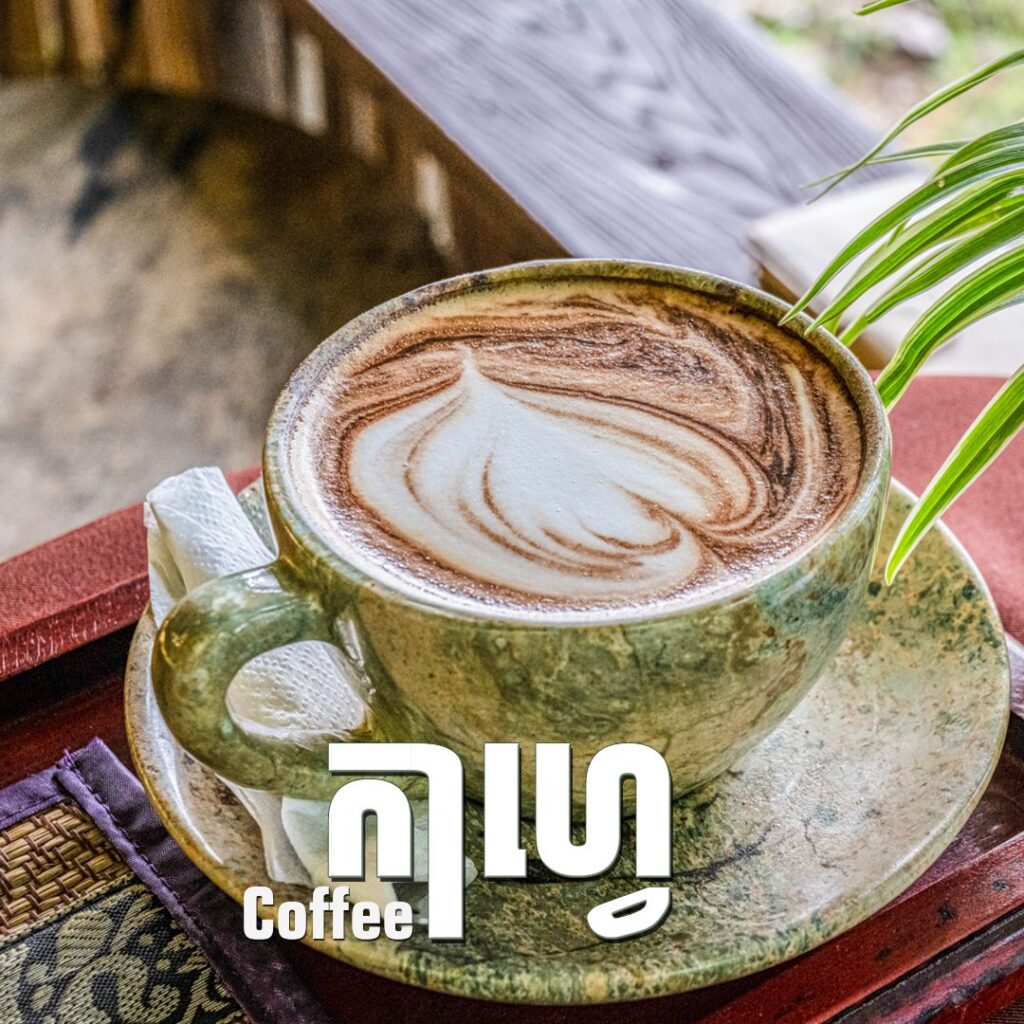
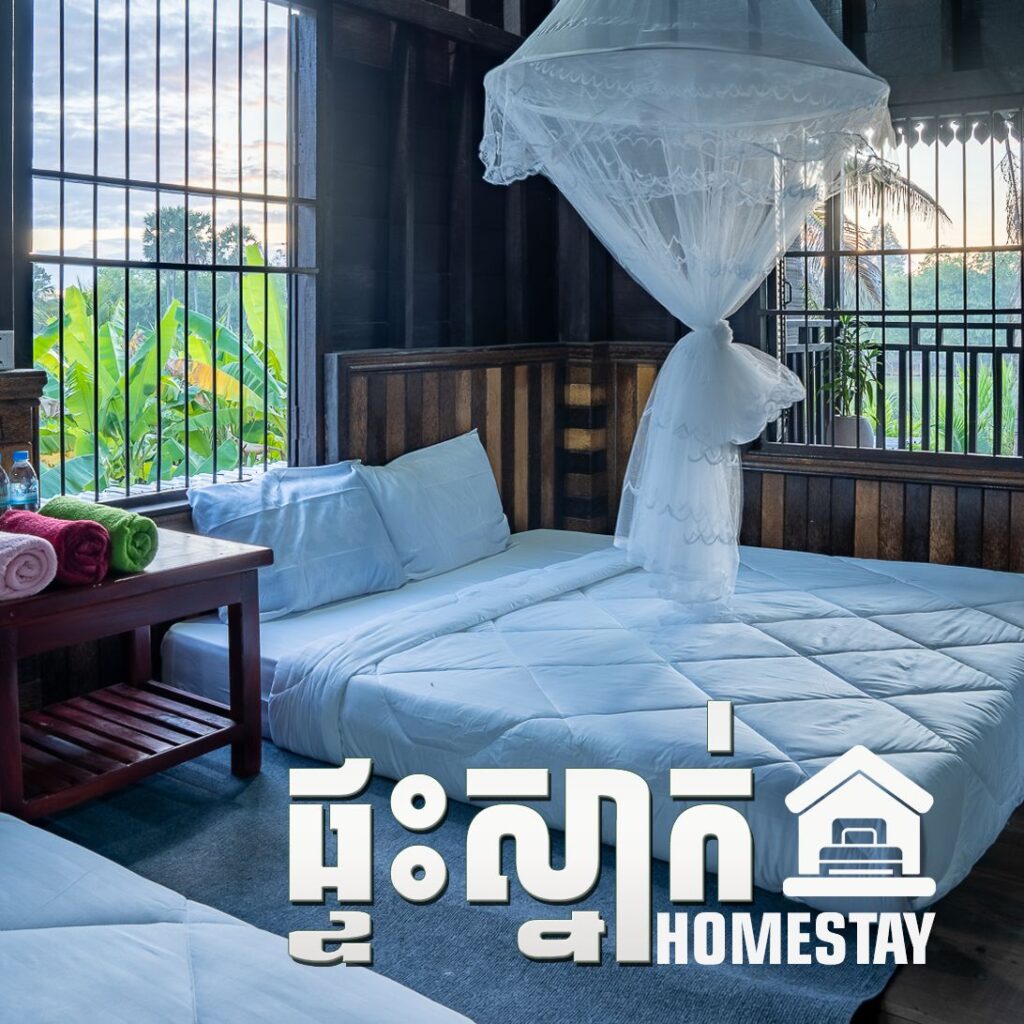
To boost visitor appeal and increase length of stay, Bakong My Village diversified its offer beyond archaeological sightseeing. It operates as an integrated community-based tourism destination rather than a single attraction. A village-run enterprise, it provides food and beverage services, cultural activities, outdoor recreation, and rural experiences for both day visitors and longer-stay guests.
Economic Resilience and Community Support
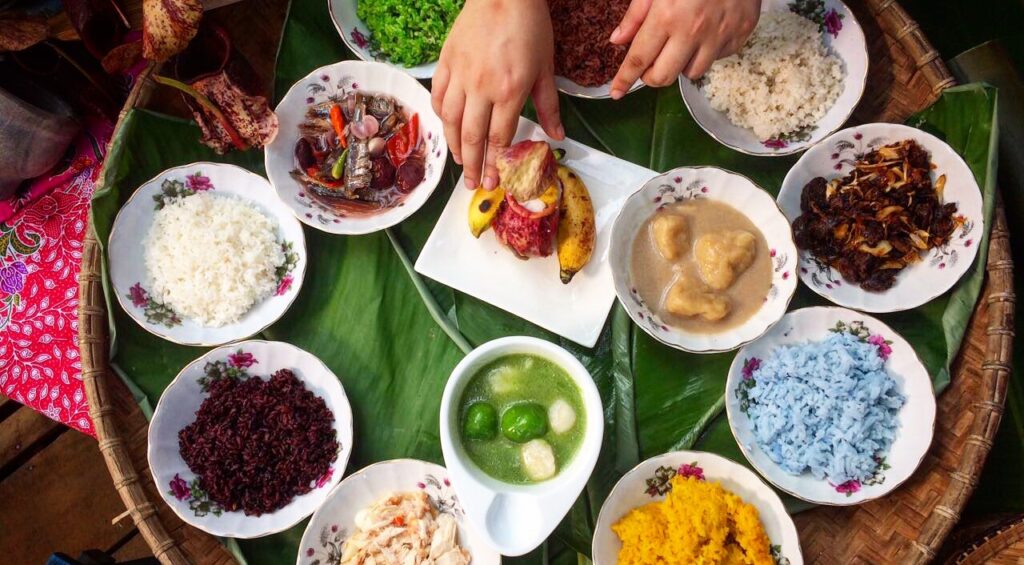
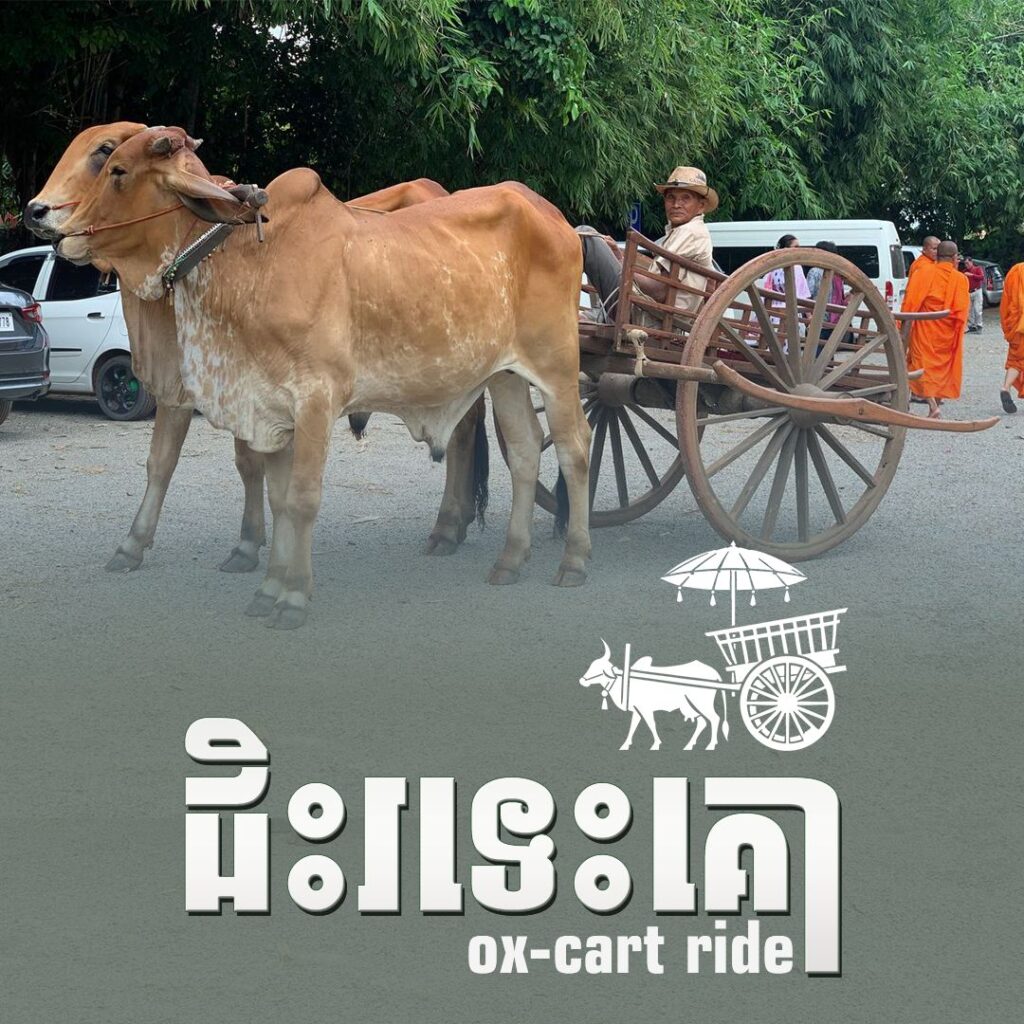
Beyond direct employment, the initiative generates income through multiple streams, including ox-cart services operated by local families and a strong local supply chain in which kitchens source ingredients directly from nearby producers. Visitors enjoy meals prepared with local produce, seafood, and meat, while village-based cafés and an outlet in Siem Reap town serve house-made gelato using fruit harvested on the community farm. Importantly, a portion of revenue is reinvested to provide monthly financial support to 43 vulnerable families, as well as material assistance such as house construction for those in extreme need. This redistribution approach strengthens social cohesion and ensures that tourism benefits extend beyond those directly employed.
Environmental and Cultural Stewardship
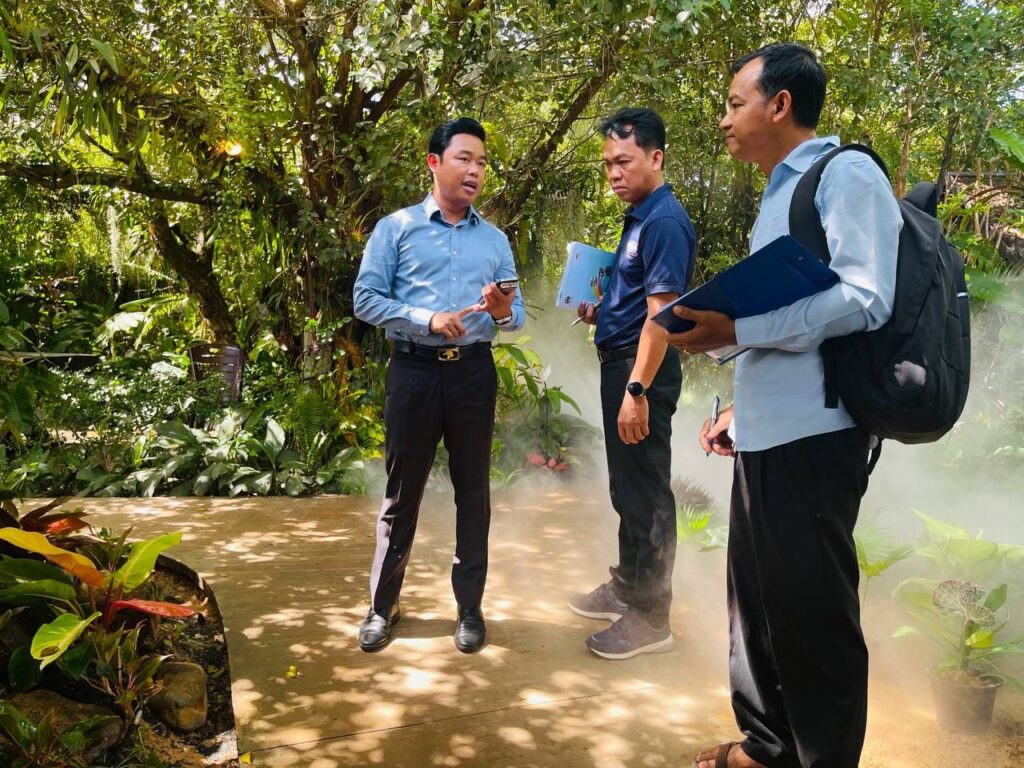
Photo: Courtesy of Bakong My Village
Ecological responsibility is a core priority. The community has replanted trees to support resource conservation and reduce deforestation, transforming former rice fields into green and attractive forested areas.
The 10-hectare site follows high hygiene standards, with daily waste collection and participation in government recycling programmes. As a practical commitment to sustainability, plastic use has been reduced by replacing disposable items with natural materials such as banana, lotus, and palm leaves for food service. Cultural heritage is also embedded in the visitor experience through traditional boxing and Apsara dance performances, creating additional income opportunities for local artists and practitioners.
Achievement and Best Practice Takeaways: Turning Disadvantage into Opportunity
The project’s development is marked by its ability to turn constraints into strategic opportunities.
First, the launch during the 2020 pandemic was treated not as a setback, but as a window for action. Mr Sour used this period to develop infrastructure and focus on the domestic market while international travel was suspended. The project’s success in attracting a predominantly local audience—around 90% of its 200–1,000 daily visitors—demonstrates strong domestic appeal and immediate resilience to external market shocks.
Second, the operational challenge of developing within a UNESCO-regulated protected zone was turned into an opportunity to demonstrate high standards of compliant development. The team faced strict procedures from the relevant authorities, but Mr Sour worked closely with government counterparts to secure support, ensuring full compliance while adopting creative, low-impact solutions.
This commitment to professional standards and operational discipline is reflected throughout the venture, particularly in its approach to customer care. The emphasis on quality and trust is captured in the founder’s own words:
“We understand that we need repeat customers. I don’t need you only for today; I need you to visit us a hundred times more.”
The success of Bakong My Village highlights four essential elements identified by the founder: strong leadership with relevant experience and skills, adequate financial resources, effective relationship building and networking, and sustained investment in human resource development and training. This case demonstrates that the most resilient and sustainable tourism initiatives are driven by committed local leaders who apply professional expertise to reinvest in their community’s long-term economic and cultural development.
Interviewee
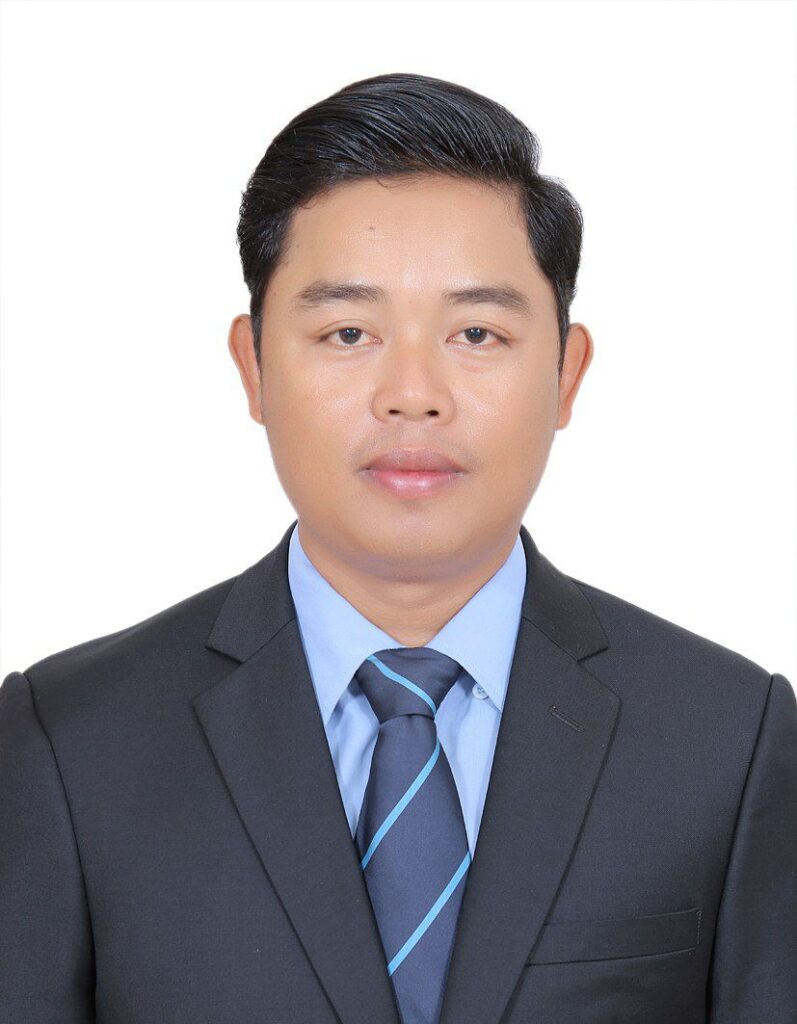
Mr. Soth Sour,
Founder, Bakong My Village